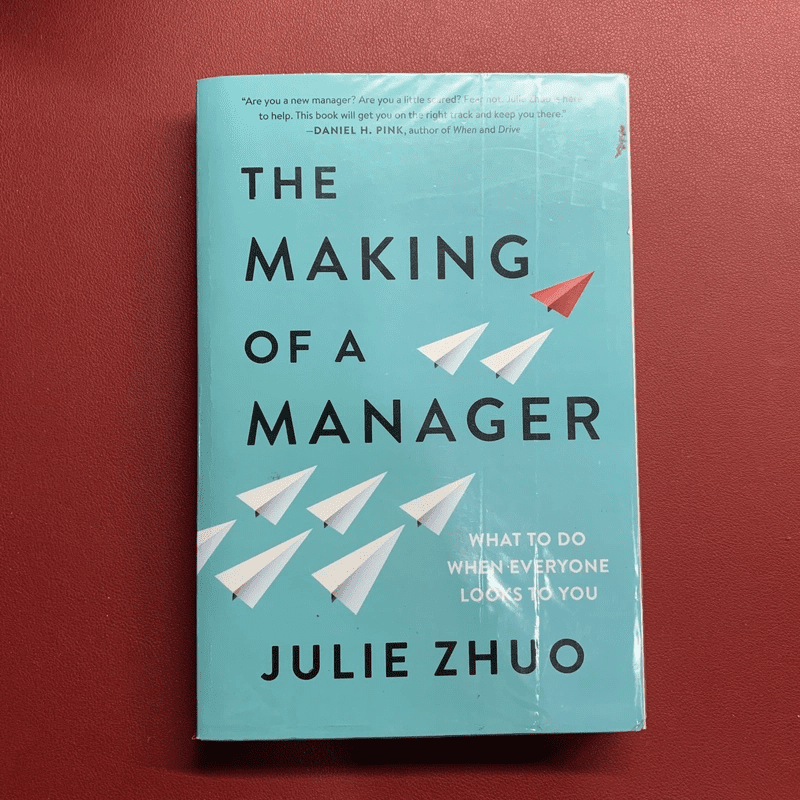

Unlocking Your Leadership Potential: A Comprehensive Summary of The Making of a Manager by Julie Zhuo
In The Making of a Manager: What to Do When Everyone Looks to You, Julie Zhuo, a seasoned Silicon Valley leader who rose from intern to Vice President of Product Design at Facebook, shares her candid and practical insights on navigating the often-overwhelming journey into management. This book serves as an invaluable map for new managers, seasoned leaders facing rapid growth, and anyone curious about the intricacies of effective leadership. Zhuo demystifies management, drawing from her own hard-won lessons—both successes and missteps—to provide a refreshingly human perspective.
Zhuo’s core premise is that great managers are made, not born, emphasizing that anyone with the will and a growth mindset can excel in this role. She promises to break down every important idea, example, and insight, from building trust with direct reports to scaling teams and nurturing a thriving culture. This summary commits to comprehensive coverage, ensuring that readers grasp the essential wisdom of the book in clear, accessible language, enabling them to apply these powerful principles to their own leadership journeys right from the start.
Chapter One: What Is Management?
This foundational chapter challenges conventional wisdom about management, offering a fresh, actionable definition and exploring the core elements that truly define an effective leader. Julie Zhuo initially understood management as simply “meetings and PROMOTION,” a common but narrow view. Her revised, more mature understanding involved building a team, supporting careers, and creating efficient processes. However, she quickly realized these were still just a collection of activities, not the underlying purpose.
Zhuo argues that defining a manager by their activities is like defining a soccer player by attending practices or passing the ball, rather than by their ultimate goal: winning games. The one-line definition of a manager’s job is to get better outcomes from a group of people working together. This simple yet profound statement underpins all subsequent advice in the book. A great manager’s team consistently achieves great outcomes, aligning with Andy Grove’s emphasis on measuring output, not just activity. Facebook’s CPO, Chris Cox, further refines this by evaluating managers on their team’s present results and their team’s strength and satisfaction (future outcomes).
Managers should constantly focus on three key areas to achieve these outcomes:
- Purpose (the why): This defines the team’s collective goal and its shared understanding of success. If purpose is unclear, conflicts and mismatched expectations arise, like a lemonade stand aiming for expansion versus a neighborly hangout. The manager’s role is to ensure everyone understands and believes in this purpose, sharing it consistently through all interactions.
- People (the who): This involves ensuring team members are set up to succeed, possessing the right skills and motivation. Issues here, such as a team member forgetting a key ingredient or lacking politeness, directly impact results. Managers must develop trusting relationships, understand strengths and weaknesses, make sound hiring and firing decisions, and coach individuals effectively.
- Process (the how): This refers to how the team works together, including its values and decision-making principles. Without clear processes, even simple tasks become complicated due to coordination failures. Managers master effective meetings, future-proofing, planning, and nurturing culture.
Ultimately, a manager’s job is to be a multiplier. Instead of doing all the work personally (like the lemonade stand owner selling all the lemonade), a manager should leverage their time to improve purpose, people, and process. Training existing team members or hiring new, more talented individuals can yield a much greater collective output. Zhuo also introduces the concept of managing in survival mode, akin to Maslow’s hierarchy of needs. If an organization is “on fire,” immediate survival takes precedence over long-term strategic planning.
To determine if management is the right path, Zhuo suggests asking yourself three critical questions:
- Do I find it more motivating to achieve a particular outcome or to play a specific role? Managers must be adaptable, prioritizing team success even if it means stepping away from tasks they personally love.
- Do I like talking with people? Management involves constant interaction; while not requiring extroversion, it’s not for those who seek uninterrupted quiet focus.
- Can I provide stability for an emotionally challenging situation? Managers face tough conversations (feedback, job losses, personal issues), requiring empathy and an ability to defuse tension.
Finally, Zhuo clarifies the crucial difference between leadership and management. Manager is a specific role with defined responsibilities, whereas leadership is a skill of guiding and influencing others, which anyone can exhibit regardless of their title. To be a great manager, one must certainly be a leader, but leadership must be earned through trust and respect, not merely bestowed by a job title.
Chapter Two: Your First Three Months
The initial months as a new manager are often a whirlwind, characterized by a feeling of being overwhelmed and constantly learning, where, as one manager put it, “every day feels like a week.” Julie Zhuo outlines four common paths to becoming a manager, each with its unique advantages and watch-outs.
The Apprentice
The Apprentice path, like Zhuo’s own experience at Facebook, occurs when an existing team grows, and you’re asked to manage a portion of it.
- Advantages: This is generally the easiest transition due to inherent guidance from your existing manager and your familiarity with the team and its operations. You have valuable context, allowing for a quick ramp-up. Zhuo advises creating a list of what’s awesome and what could be better about the current state.
- Watch Outs:
- Establishing a new dynamic with former peers can be awkward. Your role now includes coaching, giving feedback, and having hard conversations, which differs from peer relationships. People might share less information or treat you differently, requiring you to work harder to build trust.
- Balancing individual contributor (IC) commitments with management is a common pitfall. New apprentice managers often continue too much IC work, leading to burnout and compromised quality. Zhuo recommends scaling back IC responsibilities when your team reaches four or five people.
The Pioneer
The Pioneer manager is a founding member of a new group now responsible for its growth.
- Advantages: You get to define the job and build the team you want. This allows for intentional choices about people and culture. Zhuo suggests documenting your decision-making processes, defining what “a job well done” looks like, and clarifying your past responsibilities to pass on knowledge.
- Watch Outs:
- Lack of support is common as you’re often the first in your role. Zhuo advises seeking help from other managers in related functions within your organization or external managers in your area of expertise.
- Balancing IC and management is, again, a significant challenge, similar to the apprentice path.
The New Boss
The New Boss is someone who comes in to manage an already established team, either internally or at a new company.
- Advantages: You benefit from a “newbie card” for about three months, during which people expect you not to know everything and are willing to help. Use this time to ask many questions and learn. You also start with a blank slate, allowing you to reset your identity and build new relationships. Zhuo recommends asking reports about their “dream manager” qualities to understand their expectations.
- Watch Outs:
- Adjusting to new norms takes time; avoid rushing to exert opinions. Your primary job in the first few months is to listen, ask questions, and learn.
- Building new relationships is crucial but can be isolating. Zhuo suggests addressing the “elephant in the room” by being vulnerable and upfront about wanting to build trust.
The Successor
The Successor takes over from a departing manager, inheriting the entire team.
- Advantages: Similar to the apprentice, you have context and a sense of what works and doesn’t, enabling a quick ramp-up.
- Watch Outs:
- Awkward dynamic with former peers is identical to the apprentice scenario.
- The increase in responsibility can feel overwhelming, often underestimating the scope of the former boss’s hidden work. Being upfront with colleagues about a transition period can help manage expectations.
- There’s pressure to emulate the former manager. Zhuo cautions against trying to preserve the status quo or be “just as good” as your predecessor. Instead, “Be yourself” and play to your unique strengths.
Zhuo concludes that the first three months are a period of immense transition. While daily routines may become familiar, truly feeling confident and knowing what you’re doing can take “about three years,” as it did for her.
Chapter Three: Leading a Small Team
Leading a small team is about mastering fundamental people skills, cultivating trust, and providing an environment of support. Julie Zhuo fondly recalls the critique meetings with her initial small design team as epitomizing the ideal collaborative environment, where everyone fit around a table and produced clear next steps. While a manager’s job involves influencing purpose, people, and process, for a small team, the shared purpose is usually clear, putting the focus squarely on people and process.
Why People Do Great Work
Zhuo, citing Andy Grove, simplifies the challenges to great work:
- People don’t know how: This is a skills gap, solvable through training or hiring.
- People know how, but aren’t motivated: This stems from unclear expectations, misaligned aspirations, or a lack of appreciation/rewards. The first step to addressing lackluster work is to diagnose whether it’s a motivation or skills issue through honest conversations.
Trust Is the Most Important Ingredient
Trust is paramount in the manager-report relationship. As the manager holds more power, the responsibility to build this trust lies primarily with them. Zhuo identifies three key indicators of a trusting relationship:
- Reports regularly bring their biggest challenges to your attention. If they’re struggling, they tell you directly, not through the grapevine. A perpetual “everything is fine” response from a report can be a red flag.
- You and your report regularly give each other critical feedback, and it isn’t taken personally. Zhuo emphasizes Mark Rabkin’s advice to make one-on-one meetings “a little awkward” – meaning they delve into important, often uncomfortable, truths. True trust allows for direct, compassionate criticism, similar to how a best friend can tell you a sweater is unflattering without fear of offense.
- Your reports would gladly work for you again. This is the ultimate litmus test, indicating genuine respect and satisfaction. If uncertain, reflect on their “dream manager” qualities.
Strive to Be Human, Not a Boss
Earning trust means relating as a human, not just an authority figure.
- Respect and care about your report: This must be unconditional, not performance-based. True care means helping them succeed and be fulfilled, even if it involves disagreeing with them or acknowledging their personal struggles. Zhuo recalls a senior executive’s mantra: “managing is caring.”
- Invest time to help your report: Weekly one-on-one meetings (1:1s) of at least thirty minutes are crucial. These should be focused on the report’s success, not the manager’s status updates. Managers should act as coaches, asking open-ended questions to empower reports to find their own solutions. Zhuo shares her favorite questions for 1:1s, categorized by: Identify (top of mind), Understand (problem roots, ideal outcome), and Support (how to help).
- Be honest and transparent about your report’s performance: Reports should always know where they stand. Avoid “no news is good news,” and be explicit about expectations and perceived performance.
- Admit your own mistakes and growth areas: Authenticity builds trust. Apologize sincerely for errors and share your own struggles, as Zhuo did when admitting her own micromanagement tendencies. Brené Brown’s research on vulnerability highlights its power in leadership.
Help People Play to Their Strengths
- Recognizing and leveraging strengths is hugely motivating. Zhuo’s manager, Chris Cox, boosted her confidence by affirming her “good values.”
- People are more likely to succeed when using their strengths. Managers should identify these unique talents and create opportunities for reports to do more of what they excel at.
- Don’t let worst performers dominate your time. While addressing underperformance is necessary, focusing solely on problems means neglecting the high-impact opportunities presented by your strongest performers. Zhuo uses the lemonade stand example: a small improvement for a top performer (Toby) yields more overall output than a larger improvement for a struggling one (Henry).
The One Thing You Shouldn’t Tolerate on Your Team: Assholes
Drawing from Robert I. Sutton’s The No Asshole Rule, Zhuo emphasizes that individuals who make others feel worse, especially those less powerful, are detrimental to team effectiveness. Even brilliant “lone wolves” create a “divider effect,” stifling collaboration and trust. Teams often become better off when such individuals leave. It’s crucial to hold a high bar for collaboration and recognize that talented and kind individuals exist.
You Don’t Always Have to Make It Work
Zhuo’s early mistake was feeling compelled to resolve every disagreement. She learned that fundamental differences in values or working styles sometimes mean a person isn’t a good fit for a particular team. Like dating, a person can be great but not right for the specific relationship. In such cases, supporting an internal move or even a departure from the company can be the best outcome for everyone.
Make People Moves Quickly
Zhuo initially poured immense energy into struggling reports, often to no avail. She learned that if someone isn’t set up to succeed in their current role, the kindest thing is to be honest and support their transition, whether to another role or out of the organization. Protecting low performers ultimately costs the rest of the team and customers (Andy Grove). The ultimate test: “If this person were not already at the organization, would I recommend that another team hire him or her knowing what I know?” If the answer is no, make the move. This is a difficult but essential part of being a manager.
Chapter Four: The Art of Feedback
Feedback is one of the most fundamental and challenging aspects of a manager’s job, capable of transforming people in ways they’re proud of. Julie Zhuo contrasts the “terrible” feedback she received as an intern with the transformative feedback from her report, Robyn, highlighting its power. The goal of feedback isn’t just to point out problems, but to inspire positive change by making expectations clear and improving skills.
What Does Great Feedback Look Like?
Zhuo identifies four common ways to inspire behavioral change:
- Set Clear Expectations at the Beginning: Before any work begins, clarify what “great” work looks like, offer advice, and highlight common pitfalls. This is like a trainer discussing goals before a workout, ensuring everyone has a well-marked map.
- Give Task-Specific Feedback as Frequently as You Can: This feedback is about a specific action after it occurs. It’s precise, detailed, and focuses on the “what” rather than the “who,” making it less personal. Delivering it as soon as possible (even via email or chat) is most effective.
- Share Behavioral Feedback Thoughtfully and Regularly: This zooms out from single tasks to identify themes and patterns in a report’s behavior, connecting them to their interests, personalities, and habits. It’s highly personalized, requires specific examples, and is best delivered in-person for discussion. It helps reports understand how others perceive them.
- Collect 360-Degree Feedback for Maximum Objectivity: This aggregates input from multiple colleagues, providing a more complete and objective view. It’s valuable for annual reviews or when a manager lacks direct context, requiring an in-person discussion and written documentation.
Every Major Disappointment Is a Failure to Set Expectations
Zhuo shares her mistake with “Albert,” where she failed to explicitly tell him he wasn’t meeting expectations, assuming a performance review would suffice. This leads to reports feeling blindsided, believing the review is unfair, the manager was negligent, or the manager was dishonest. Bad news should never be a surprise. Proactive expectation-setting can preempt disappointment, whether it’s regarding promotions, new project involvement, or project timelines. Managers should readjust expectations as quickly as possible when issues arise, showing care and maturity.
Your Feedback Only Counts If It Makes Things Better
The ultimate measure of feedback’s effectiveness is whether it leads to positive action. Zhuo’s initial attempt to fix “George’s” long-windedness failed because he didn’t understand how to apply the feedback.
- Am I giving feedback often enough? Most reports want more feedback, especially about skills and career trajectory. Managers often focus too much on task-specific feedback.
- Is my feedback being heard? What the manager intends to say and what the listener hears are often different due to “the curse of knowledge” and the listener’s potential “fight-or-flight” response. To ensure feedback is heard, make the listener feel safe and show that you care about their success. Positive feedback helps reinforce desired behaviors. When giving critical feedback, be direct but curious, asking if it resonates with them. Confirm understanding by asking for takeaways and summarizing in email, and encourage the same message from multiple sources.
- Does my feedback lead to positive action? To be actionable, feedback must be:
- As specific as possible, with clear examples. Avoid vague statements.
- Clarify what success looks and feels like. Provide a vivid picture of the desired outcome (e.g., Chris Cox’s “Disneyland lines” analogy for design simplification).
- Suggest next steps. Be clear whether it’s an expectation or a suggestion, or prompt the report to suggest their own.
Delivering Critical Feedback or Bad News
This is an unavoidable part of management where “how” matters tremendously.
- Avoid accusatory or overly strong language (e.g., “screwup,” “terrible”). Don’t engage when angry.
- Avoid the “scared manager’s choice” of phrasing concerns as mere questions.
- The best way to deliver critical feedback is directly and dispassionately. Zhuo provides a template: “When I [heard/observed/reflected on] your [action/behavior/output], I felt concerned because . . . I’d like to understand your perspective and talk about how we can resolve this.”
- When delivering bad news about a decision, state the decision first. Own it, be firm, and don’t open it up for discussion if the decision is final. Acknowledge disagreement respectfully, then move on, embracing the “disagree and commit” principle.
Zhuo emphasizes that people are not “fragile flowers”; they want direct, honest feedback to improve. She concludes that “Feedback is a gift”—it requires effort to share, but makes everyone better off.
Chapter Five: Managing Yourself
Julie Zhuo opens this chapter recounting her personal struggle returning from maternity leave, feeling overwhelmed and ineffective. Her executive coach, Stacy McCarthy, wisely insisted on focusing on Zhuo herself before tackling work problems, revealing a crucial truth: if you don’t have a good handle on yourself, you won’t have a good handle on how to best support your team.
Everybody Feels Like an Imposter Sometimes
Zhuo delves into the common imposter syndrome—the feeling of not deserving success despite evidence of competence. It’s a normal experience for managers, especially because they are constantly looked to for answers and frequently face novel, unpracticed situations (like firing someone). There’s no “all-around great manager”; effectiveness is contextual.
Get to Brutal Honesty with Yourself
Self-awareness is key. Zhuo guides readers through an exercise to identify their strengths (talents they enjoy and excel at) and weaknesses/triggers.
- Strengths: What would loved ones say? What are you proud of? What traits contributed to past successes? What positive feedback do you often receive? Great management often stems from leveraging these strengths.
- Weaknesses/Triggers: What does your inner critic yell at you? What magical gifts would you want? What situations disproportionately upset you? What negative feedback do you consistently receive?
The crucial step is calibration—ensuring your self-perception aligns with reality. This combats biases like the Dunning-Kruger effect. Tactics for calibration include asking your manager specific questions about your strengths/blockers, seeking feedback from 3-7 close colleagues (even if formal 360-degree feedback exists), and asking for task-specific feedback on skills. Zhuo notes that overcoming the fear of critical feedback requires shifting from a fixed mindset (seeing challenges as threats to self-worth) to a growth mindset (seeing them as opportunities for improvement), a concept explored by Carol Dweck.
Understand Yourself at Your Best and Worst
Knowing the conditions that enable your best work and those that trigger negative reactions is vital for self-care and effectiveness. Zhuo shares her own ideal conditions (e.g., sufficient sleep, early productivity, trust with colleagues, alone time for processing) and the habits she developed to cultivate them. She also identifies her triggers (e.g., injustice, perceived incompetence, inflated egos), emphasizing that recognizing these allows for a more measured response. Sharing your triggers with colleagues can also foster understanding and improved interactions.
Finding Your Confidence When You’re in the Pit
“The Pit” describes periods of intense self-doubt and imposter syndrome. Zhuo offers tactics for navigating these moments:
- Don’t beat yourself up for feeling bad: Recognize that struggles are universal (e.g., Sheryl Sandberg’s fear of leaving work early, Reese Witherspoon’s public speaking anxiety).
- Repeat: “The story I have in my head is probably irrational”: Our brains often create worst-case narratives from limited information. Question your interpretations and seek truth.
- Close your eyes and visualize: Brain imaging shows visualization engages similar parts of the brain as actual activity. Visualize universal struggles, personal success, past triumphs, or your ideal day.
- Ask for help from people you can be real with: Admitting struggles shows courage. Support groups (like Zhuo’s Lean In Circle) provide empathy and advice.
- Celebrate the Little Wins: Break negative cycles by noting daily accomplishments, however small, to build confidence.
- Practice Self-Care by Establishing Boundaries: Prevent work from overwhelming personal life. Schedule non-work activities to draw a line, recognizing that high stress inhibits creativity.
Learning to Be Twice As Good
Management is a continuous learning journey. Zhuo argues that by consistently improving, you can become “twice as good.”
- Ask for Feedback: Make it a habit. Be specific about what you want to learn, and always thank people, even if you disagree.
- Treat Your Manager as a Coach: Your manager wants you to succeed. Engage them for feedback, share personal goals, and ask for help on problems.
- Make a Mentor Out of Everyone: Seek specific advice from peers and colleagues who excel in areas you want to improve, rather than asking formally for mentorship.
- Set Aside Time to Reflect and Set Goals: Regularly review accomplishments, satisfaction, and lessons learned (weekly, bi-annually). This enhances learning.
- Take Advantage of Formal Training: Company seminars, conferences, workshops, or professional coaching are valuable investments, even if they seem time-consuming or costly in the short term.
Zhuo concludes that the key to great leadership is a deeply personal journey of understanding your strengths and flaws, navigating internal obstacles, and committing to continuous learning.
Chapter Six: Amazing Meetings
Meetings, often maligned as “necessary evils,” consume a significant portion of a manager’s time. Julie Zhuo recounts her own early mistake of running an ineffective status meeting, highlighting the crucial lesson: it’s not enough for a meeting to have a purpose; it must have a great outcome. Good meetings are simple and straightforward, leaving participants feeling that their time was well-spent, that they learned something valuable, and that they have clarity on next steps.
What Is a Great Outcome for Your Meeting?
Zhuo identifies five distinct purposes for meetings, stressing that a single meeting should rarely try to achieve too many:
- Making a Decision: The goal is a clear decision and trust in the process, even if not everyone reaches consensus (a la Jeff Bezos’s “disagree and commit”). Avoid making premature decisions with insufficient context, which can erode credibility. A great decision meeting involves the right people, objective presentation of options, consideration of dissenting opinions, and an efficient process.
- Sharing Information: While email and chat exist, in-person informational meetings offer interactivity and a more dynamic way to convey messages. Success lies in the group learning valuable information, clear/memorable messaging, maintaining attention, and evoking an intended emotion (e.g., inspiration).
- Providing Feedback (Review): The purpose is for stakeholders to understand and provide input on work in progress, not just to approve or judge. Success means everyone aligns on project goals, the work status is honestly represented, open questions are clearly framed, and there are agreed-upon next steps.
- Generating Ideas: Often called brainstorming, this requires both individual thinking (brains are most creative alone) and group engagement. Effective sessions produce diverse, non-obvious solutions, consider all voices, foster meaningful discussion, and result in clear next steps for action.
- Strengthening Relationships: Team lunches, social events, and certain 1:1s serve to build empathy, trust, and collaboration. Success is measured by improved understanding and trust, encouraging authenticity, and making people feel cared for.
Zhuo emphasizes that understanding the primary purpose of a meeting is key. Trying to force a meeting to do too much, like turning a decision meeting into an idea-generating session, often leads to inefficiency.
Invite the Right People
You’re more likely to have a great meeting if everyone necessary, and nobody extraneous, is there. Over-inviting leads to distracted attendees and wasted time, while under-inviting (missing key stakeholders) can delay or invalidate decisions. Zhuo’s example of a large design review meeting illustrates how a shift from being an informational meeting for all designers to a feedback session for presenters led to cutting the attendee list, improving effectiveness.
Give People a Chance to Come Prepared
Presenters often fall prey to the “curse of knowledge,” assuming attendees can grasp complex information instantly. To ensure thoughtfulness, organizers should send out presentations or documents in advance. This allows attendees to process information, leading to better contributions. Sending a clear agenda demonstrates care and intentionality. Follow-ups after the meeting are equally crucial, clarifying decisions, action items, and next steps to ensure continuity.
Make It Safe for People to Contribute
Many people, especially introverts, are hesitant to speak up in groups due to fear of judgment. Fostering a welcoming environment for questions, discussions, and dissent is paramount.
- Be explicit about norms: Directly state that tough questions and dissenting opinions are welcome and valued, as Zhuo did in her Q&A sessions.
- Change up your meeting format: Implement structured approaches like going around the room or starting with a “Post-it note” opening (individual thinking first, then sharing) to encourage broader participation.
- Manage equal airtime: Actively mediate conversations by cutting off interruptions politely, creating openings for quieter individuals, and gently signaling to over-talkers that it’s time for others to contribute. This reinforces the value of diverse perspectives.
Get Feedback About Your Meeting
Don’t wait for complaints. Proactively ask for feedback on your meetings, especially recurring ones, to identify areas for improvement. Be specific in your questions and make it safe for honest responses. Zhuo learned to cancel or revamp unproductive meetings, recognizing that bad meetings can lead to employee frustration and burnout, while good meetings can boost morale. Ultimately, managers should aim to make every meeting useful, awesome, and energizing, respecting the precious time of others.
Chapter Seven: Hiring Well
Julie Zhuo asserts that hiring well is the single most important thing a manager can do, transforming it from merely filling holes into an opportunity to build the future of your organization. She shares her early experience of hiring Tom, a new grad who didn’t ace the interview but proved to be an invaluable, dedicated contributor, underscoring that hiring is a gamble, but one that can be made smarter.
Design Your Team Intentionally
Understaffing can lead to desperate hires. Zhuo advocates for proactive planning by creating a future organizational chart annually. This involves analyzing skill, strength, or experience gaps, and listing open roles based on company growth, attrition, budget, and priorities. This intentional approach prevents impulsive hiring and provides a framework for evaluating candidates against clear needs.
Hiring Is Your Responsibility
Even with dedicated recruiting teams, the ultimate ownership of building your team rests with you. A great hiring manager partners closely with recruiters, bringing their deep understanding of the role and investing personal time.
- Describe Your Ideal Candidate Precisely: Write the job description yourself, detailing specific skills and experiences, even within similar roles (e.g., a detail-oriented designer vs. a research-focused one).
- Develop a Sourcing Strategy: Collaborate with recruiters to brainstorm where to find candidates (LinkedIn, referrals, conferences, ads) and identify résumé patterns (e.g., Patty McCord’s observation about musicians in data science at Netflix).
- Deliver an Amazing Interview Experience: Make the process attentive, focused, and fast to build candidate confidence. A strong manager-recruiter partnership ensures smooth logistics and a positive impression.
- Show Candidates How Much You Want Them: Once an offer is extended, actively engage with the candidate through frequent check-ins, answering questions, and illustrating the role’s impact to encourage acceptance.
Hiring Is a Gamble, But Make Smart Bets
Zhuo acknowledges that interviews are imperfect predictors of success (Google’s “zero relationship” findings), due to the inability to perfectly simulate work environments, interviewer biases (e.g., Harvard’s “blind audition” study), and people’s capacity for change. However, smart strategies can mitigate these risks.
- Examine Past Examples of Similar Work: The best predictor is how someone performed on similar projects in similar environments. Internships are valuable, and portfolio reviews (for designers) or teaching demonstrations (for instructors) provide concrete evidence.
- Seek Out Trusted Recommendations: Take referrals seriously. Kevin Ryan of Gilt Groupe emphasizes that references matter most and advises seeking honest references from within your trusted network. Discount older negative feedback as people grow.
- Get Multiple Interviewers Involved: This reduces bias and catches red flags. Interviewers should record their decisions independently before debriefing to avoid groupthink.
- Look for Passionate Advocates Rather Than Consensus: Reject “weak hires” (unanimous but unenthusiastic “hires”). Bet on candidates with passionate advocates, as they often bring highly valued, unique contributions.
- Prepare Your Interview Questions Ahead of Time: Have a clear sense of what you want to learn. Ask consistent questions across candidates. Zhuo shares her favorite all-purpose questions, probing interests, self-awareness, ambition, conflict resolution, and sources of inspiration.
- Reject Anyone Who Exhibits Toxic Behavior: Be vigilant for warning signs like bad-mouthing past employers, blaming others for failures, insulting groups, or showing high arrogance/low self-awareness.
- Build a Team with Diverse Perspectives: Diversity in all aspects (gender, race, work history, life experiences) leads to better ideas and results. It challenges biases, improves decision-making, and fosters creativity.
- Hire People Who Are Capable of More: When hiring for knowledge work, prioritize candidates who can grow beyond the immediate role. Zhuo notes she’s “never, ever thought to myself, huh, there aren’t enough big problems for all the talented people we have.” Strong hires multiply your team’s impact.
Hiring When You Need Five, Ten, or Hundreds of People
When scaling rapidly, hiring becomes a top priority. Zhuo’s manager, Chris Cox, challenged her: “If hiring well was the only thing that mattered, would you do anything differently?” This shifted her perspective and led to a “well-oiled machine” approach.
- Successful Hiring Is All about Diligent Execution: At scale, hiring becomes a numbers game. Managers must optimize each step of the recruiting funnel (emails, interviews, offers) to efficiently meet hiring goals.
- Do Your Research When Hiring Leaders: Leadership hires are high-stakes and disruptive if they fail. Invest time in understanding the ideal candidate profile by talking to many prospective leaders (even if they’re not interested in the job) and internal team members.
- Take the Long View with Top Talent: Attracting top talent is a long-term investment in relationships. Continuously build your network and cultivate your team’s reputation. Many leaders join only after multiple prior interactions.
- Build a Great Bench: A strong “bench” means your lieutenants can take over if you’re absent, ensuring the team is not a single point of failure. This frees up the manager to tackle new, larger challenges. Zhuo calls this “doubling your leadership capacity.”
- Create a Culture That Prioritizes Hiring Well: As teams grow, hiring responsibility must be shared. Managers must instill a culture where everyone understands the importance of recruiting, dedicates time to it, and embraces the shared values of talent acquisition.
Chapter Eight: Making Things Happen
Making things happen is about consistent planning and execution, learning from trials, adapting, and doubling down on what works, rather than waiting for a single “brilliant insight.” Julie Zhuo highlights Instagram’s pivot as an example of this iterative process. She reframes “process” from a dreaded bureaucracy to a necessary framework that helps teams execute at their best.
Start with a Concrete Vision
A concrete vision is crucial for guiding action. Zhuo’s manager, Chris Cox, criticized her initial vision for being “too soft,” preferring tangible descriptions over vague terms like “help” or “improve.”
- Tangible visions have impact, like Herbert Hoover’s (misattributed) “A chicken in every pot.” Facebook’s vision to “connect the entire world” was razor-sharp, measurable, and easily repeatable, guiding millions.
- As a manager, define a bold, measurable vision for your team that describes the outcome, not the how. It should be clear enough that anyone can repeat it accurately.
- Questions to ask for vision-setting: What will be different in 2-3 years? What reputation do you want? What are your team’s unique superpowers, and how can you be 2x or 5x better? What’s a quick litmus test for success?
Create a Believable Game Plan
Dwight D. Eisenhower’s quote, “Plans are worthless, but planning is everything,” underscores that the value lies in the process of strategizing. A good strategy has a realistic shot at working, understands the crux of the problem, and focuses the team’s unique strengths and resources on what matters most, aligning with the broader organizational strategy.
- Craft a Plan Based on Your Team’s Strengths: Plans should leverage your team’s core competencies. Zhuo’s design team, for example, focuses on interaction design, not marketing videos, even if they have the general “design” skills.
- Focus on Doing a Few Things Well: Apply the Pareto principle (80/20 rule): most results come from a minority of causes. Prioritization is key. Force yourself to rank tasks and goals, tackling the most critical items first. Zhuo cites Facebook’s photo-tagging feature, a simple, focused innovation that outshone Flickr’s complex features, as an example of how results matter more than effort and how focus means saying no to 1,000 good ideas (Steve Jobs).
- Define Who Is Responsible for What: Ambiguity around ownership leads to inaction. Clearly state who is accountable for what, reducing confusion and ensuring tasks get done. Zhuo learned this the hard way when two talented reports argued in circles because their roles and decision-making authority weren’t clear.
- Break Down a Big Goal into Smaller Pieces: Counter Parkinson’s law (“Work expands to fill the time available”) by breaking large projects into smaller, manageable milestones. This creates a sense of urgency and makes progress feel achievable. Set weekly goals and use periodic reviews to maintain momentum.
Perfect Execution Over Perfect Strategy
Zhuo argues that perfect execution triumphs over perfect strategy any day. A brilliant plan is useless without the ability to bring it to life accurately and quickly. Speed matters, as a fast runner can still win even with a few wrong turns. Good execution means picking a reasonable direction, moving quickly to learn what works and doesn’t, and adjusting as needed.
- Signs of good execution: Prioritized projects, efficient decision-making (especially fast, reversible decisions, per Jeff Bezos), quick adaptation to new information, clear task owners (“who” and “by when”), resilience and continuous learning from failures.
- Balancing Short-Term and Long-Term Outcomes: This is a constant act of balance. Too short-term leads to shortsighted decisions (e.g., no future investments). Too long-term leads to plans becoming obsolete.
- Define a Long-Term Vision and Work Backward: A clear North Star (like Facebook’s mission) guides current decisions. This helps ensure daily actions contribute to the desired future, as seen in the “Like” button vs. “Dislike” button decision.
- Take a Portfolio Approach: Like an investor diversifying assets, balance projects with short-term (weeks), medium-term (months), and long-term (years) horizons. This ensures continuous improvement while casting an eye toward future opportunities.
- Talk about How Everything Relates to the Vision: Constantly remind the team of the higher purpose. Connect every task, project, and decision to the overarching vision. This aligns actions and prevents conflicts arising from unclear priorities.
Good Process Is Ever Evolving
Processes are never “finished” but continuously improve through iteration.
- Debriefs (Retrospectives/Postmortems): Regularly (e.g., after projects or unexpected events) bring the team together to reflect on what went well, what didn’t, and what to do differently. This is for learning, not judgment. Document and share lessons.
- Repeatable Best Practices: Codify frequent tasks into playbooks or checklists. This increases efficiency and allows for delegation. Zhuo’s weekly email digest evolved from a bottleneck to a crowdsourced, documented process.
Zhuo emphasizes that the journey of making things happen involves constant learning, adaptation, and taking that first step even in the face of uncertainty. Every stumble or failure is an opportunity to become wiser and stronger.
Chapter Nine: Leading a Growing Team
As a team grows, the manager’s job fundamentally shifts. Julie Zhuo recalls the turning point when her team outgrew their conference room, realizing that old ways no longer worked. While core management principles remain, the day-to-day changes significantly, demanding new skills in delegation, communication, and strategic focus.
Big Teams Versus Small Teams (Striking Contrasts)
Zhuo outlines key differences when managing larger teams:
- Direct to Indirect Management: With a small team, a personal relationship with each report is feasible. With a large team, you must hire or develop managers underneath you, leading to indirect management. This means being further removed from daily details, and accepting that decisions will be made without your direct input.
- People Treat You Differently: As you gain authority, people become less likely to share ugly truths or challenge you directly. They may be intimidated or not want to disappoint. Countermeasures include emphasizing openness to dissent, owning your mistakes, using inviting language (“I may be totally wrong here”), and asking for advice.
- Context Switching All Day, Every Day: Managing a large team means juggling more projects and responsibilities, leading to fragmented time. Zhuo learned to adapt by scanning her calendar, using robust note-taking systems, and finding pockets for reflection, accepting that constant context-switching is part of the job.
- You Pick and Choose Your Battles: It becomes impossible to address every issue or task. Managers must prioritize and focus on what’s most important, letting go of perfectionism.
- The Skills That Matter Become More and More People-Centric: At higher levels of management, success is less about the specific craft and more about hiring exceptional leaders, building self-reliant teams, establishing a clear vision, and communicating well.
The Tightrope Act of Great Delegation
Delegation is “the art of knowing when to dive in yourself and when to step back and entrust others.” This is a difficult balance.
- Micromanagers stifle talent and cause people to leave due to a lack of trust and breathing room.
- Absentee managers provide independence but leave teams unsupported, leading to chaos and a loss of credibility.
- Zhuo emphasizes that managers often lean one way or another based on their personal values, but effective delegation requires adapting to the specific needs of the report and the situation.
Giving People Big Problems Is a Sign of Trust
Zhuo admits her early mistake of taking on the biggest burdens to spare her reports, similar to her overprotective grandmother. This is wrong because it overestimates the manager’s capacity and underestimates reports’ desire for challenge. There is no greater sign of trust than handing a report an intricately tangled knot that you believe they can solve. The manager’s role shifts to being a coach on the boat, rather than doing the rowing themselves.
Two Heads, One Shared Vision
As teams grow, managers can’t know every detail. Instead, the focus shifts to ensuring alignment on what’s most important.
- Managers should regularly discuss top priorities and how teams contribute.
- Crucially, managers and reports should be aligned on people, purpose, and process. This includes clear expectations for coaching, shared views on team member performance, a vivid understanding of the team’s “why” (purpose), and agreement on healthy processes. Consistently talking about the vision makes it vivid for everyone.
What to Do When a Manager Struggles
When a manager on your team isn’t meeting expectations, the costs are high because they are a multiplier for their team. Zhuo, referencing Andy Grove, highlights that a struggling manager’s “tuition is paid by his customers.”
- The clarifying question: “Assume the role was open. Would you rather rehire your current leader or take a gamble on someone else?”
- If the answer is no, make the move. This difficult decision prioritizes the team’s success over individual comfort, as demonstrated by Zhuo’s decision to move “Raphael” to a different role, leading to the team’s eventual thriving under a new leader.
Aim to Put Yourself Out of a Job
The best managers constantly seek to replace themselves in their current job, aiming to “double your leadership capacity every year.” This frees the manager to tackle new, larger challenges.
- This can be uncomfortable due to attachment to tasks or sense of control (Molly Graham’s “giving away your LEGOs”).
- Rule of thumb for delegation: Spend time and energy on the intersection of what’s most important to the organization and what you’re uniquely able to do better than anyone else.
- Delegate anything your report can do as well or better, even if it means coaching them to get there (teach someone to fish).
- What not to delegate (where you add unique value):
- Identifying and communicating what matters (broader scope, spotting patterns, like Zhuo’s design pattern library initiative).
- Hiring top talent (senior leaders have an advantage in attracting/closing talent).
- Resolving conflicts within your group (when priorities clash between reports).
- Delegating constantly creates openings for both your leaders and yourself to stretch and grow, enabling the team to collectively achieve more.
Chapter Ten: Nurturing Culture
Julie Zhuo emphasizes that an organization’s culture is revealed not by what it says on its website, but by what it’s willing to give up for its values. She uses Facebook’s “Nothing at Facebook Is Somebody Else’s Problem” mantra, exemplified by a supportive response to an intern’s error, to illustrate this. Culture describes the norms and values that govern how things get done, and managers play a significant role in shaping it.
Know the Kind of Team You Want to Be a Part Of
Culture is like a team’s personality and exists whether you acknowledge it or not. If dissatisfied, it’s worth examining and actively shaping. Zhuo provides an exercise to analyze:
- Your current team’s culture: Adjectives, proud moments, unique strengths, perceived values, similarities/differences to the broader organization’s culture, and top complaints.
- Your aspirations for the team’s culture: Desired adjectives (and their potential pitfalls), admired aspects of other teams (and their downsides), and undesirable traits.
By understanding the difference between current and desired states, you can identify gaps and obstacles and develop a game plan to foster the values you want to see. Subcultures can also flourish within larger organizations.
Never Stop Talking About What’s Important
Zhuo learned from Sheryl Sandberg that repetition is crucial for a message to stick. Sandberg’s consistent emphasis on “hard conversations” transformed Facebook’s culture. When you deeply value something, embrace talking about it frequently and passionately, sharing your “why,” even including your own missteps. This authentic communication makes you a more inspiring leader and encourages others to adopt those values.
Always Walk the Walk
People watch their bosses closely, and a disconnect between words and actions is the fastest way to lose trust.
- Avoid hypocrisy: A manager who preaches frugality but splurges, or demands punctuality but is always late, undermines their own message.
- If you’re not willing to change your behavior for a stated value, don’t bring it up. Zhuo’s own realization that she preached asking for feedback but rarely asked for it herself was eye-opening. Be the first to live the value you want to see.
Create the Right Incentives
Talking and walking the walk isn’t enough; the environment must reward people who behave according to your team’s values and hold people accountable when they don’t.
- Avoid bad incentives that unintentionally lead to undesired behaviors. Zhuo’s “show three design explorations” rule, intended to foster creativity, instead led to busywork because it wasn’t tied to the quality of exploration. Other examples of poor incentives include rewarding individual performance over teamwork, short-term gains over long-term investments, lack of conflict (leading to hidden resentment), or rewarding “squeaky wheels” (matching outside offers).
- To identify incentive traps, regularly reflect on the gap between stated values and actual behavior. If issues are structural, change the incentives. If behavioral, take direct action (e.g., confronting rude shouting).
- Recognize and thank people for difficult actions that align with your team’s values (e.g., ethical choices, firing toxic performers, admitting mistakes).
Invent Traditions That Celebrate Your Values
Beyond slogans, rituals and traditions bond team members and bring values to life. Facebook’s hackathons cemented “Be Bold” and “Move Fast.”
- These traditions can be unique and quirky, like personal prompts in meetings, creative nights, “customer love” awards, or “Fail of the week” sessions.
- Mark Zuckerberg’s weekly Q&A, despite the demands on his time, reinforces Facebook’s value of openness.
Nurturing culture is not a sideline task, but a continuous effort embedded in the small, quotidian moments of how your team interacts and makes decisions. Your actions, and the behaviors you reward or discourage, collectively tell the story of what your team truly values.
Key Takeaways
The Making of a Manager offers a deeply human and incredibly practical guide to leading teams effectively. Julie Zhuo’s core message is that management is not an innate talent but a skill that can be learned and honed through continuous effort and a growth mindset. It’s about shifting from individual contribution to becoming a multiplier for a group’s collective output.
The core lessons from the book are:
- The true job of a manager is to get better outcomes from a group of people working together. This requires constant attention to Purpose (why), People (who), and Process (how).
- Trust is the foundational ingredient for any effective manager-report relationship, built through respect, genuine care, honest feedback, and vulnerability.
- Feedback is a gift that must be given frequently, specifically, and with care to inspire positive action, even (and especially) when it’s critical. Managers must also actively seek feedback to understand and improve themselves.
- Self-awareness is paramount for effective leadership. Understanding your strengths, weaknesses, triggers, and ideal work environments allows you to navigate challenges and leverage your unique capabilities.
- Hiring is building the future. It’s a critical responsibility that demands intentional design of your team, diligent execution of the hiring process, and a long-term view of talent acquisition.
- Execution often trumps strategy. While a clear vision is essential, the ability to move quickly, learn from mistakes, and adapt to changing circumstances is what truly “makes things happen.”
- Delegation is a tightrope act and a sign of trust. Great managers empower their teams by handing over big problems and constantly seeking to “put themselves out of a job” in their current responsibilities to take on new challenges.
- Culture is lived, not just stated. Leaders must consistently “walk the walk” on their values, create the right incentives, and invent traditions that reinforce desired norms within their team.
Next actions you should take immediately:
- Schedule regular, focused 1:1s with your direct reports, prioritizing their needs and asking open-ended questions that empower them.
- Start actively seeking feedback from your manager and peers. Frame it as a desire to learn and improve, not as a test of your worthiness.
- Identify one small “little win” each day to celebrate, shifting your mindset towards progress and building confidence.
Reflection prompts:
- What is the one “ugly truth” you’ve been avoiding with a report, and how can you use Zhuo’s framework to address it directly and compassionately?
- Considering your team’s current state and your aspirations, what is the single biggest cultural gap you want to bridge, and what immediate action can you take to “walk the walk” on that value?
- How can you apply the “multiplier effect” concept to your current workload, identifying one task you could delegate to empower a report and free up your time for higher-leverage activities?







Leave a Reply