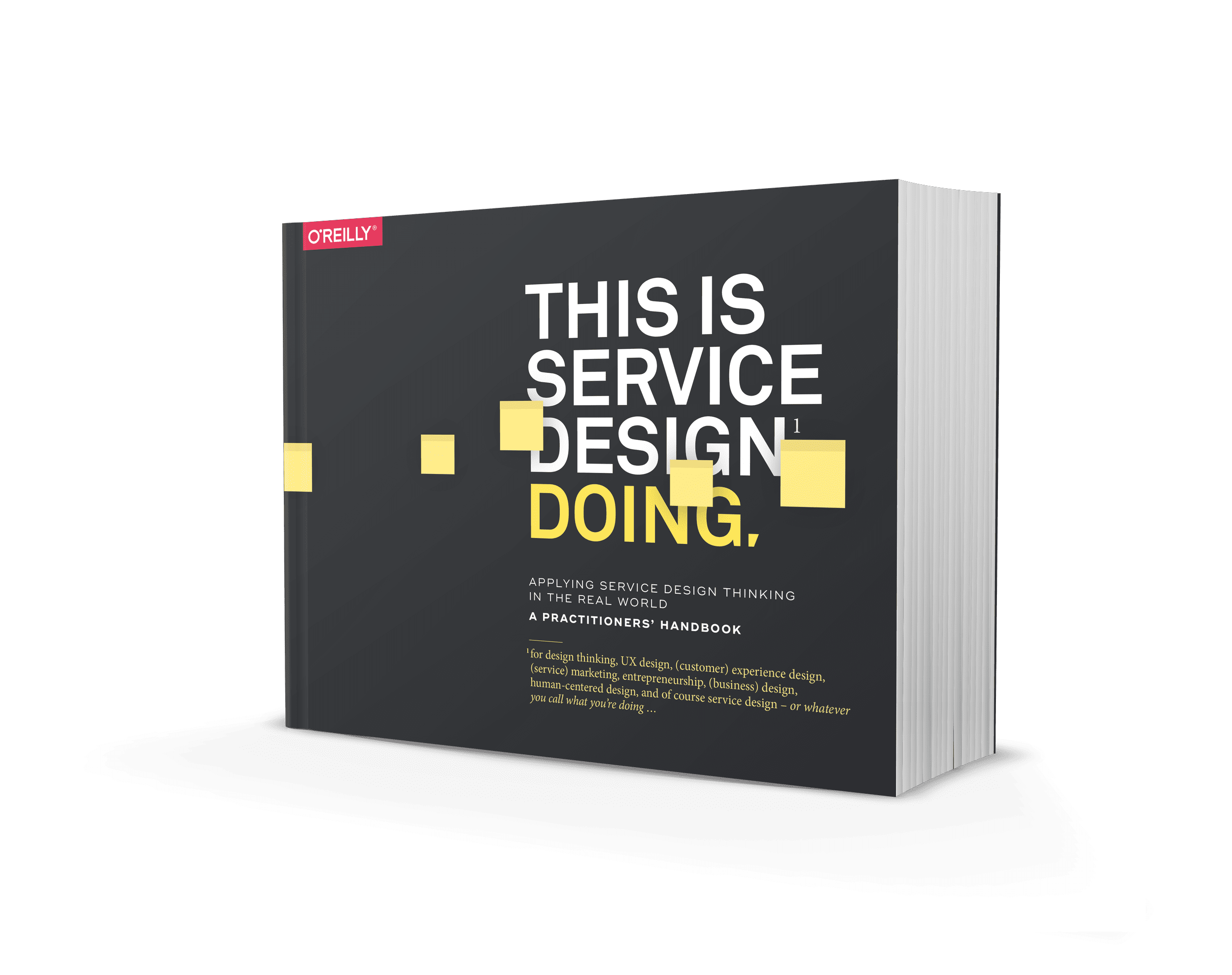

Summary of This is Service Design Doing: Applying Service Design Thinking in the Real World
Quick Orientation
This is Service Design Doing, edited and co-authored by Marc Stickdorn, Adam Lawrence, Markus Hormess, and Jakob Schneider, builds upon its predecessor, This is Service Design Thinking, to provide a practical handbook for applying service design principles. The book is a collaborative effort, drawing heavily on contributions from a global community of practitioners. It is aimed at anyone involved in improving customer and employee experiences and the systems that support them, offering a comprehensive guide to the core activities, methods, tools, and management approaches of service design. The summary below distills every key concept, example, and tip from the book into clear, easily digestible language, ensuring that no idea is left unexplained or buried in nested lists.
Why Service Design?
This chapter explores the fundamental reasons why organizations adopt a service design approach, focusing on how it addresses customer needs, organizational challenges, and the imperative for innovation.
Customer Needs and Organizational Challenges
The book highlights that customers interact with organizations through multiple layers of experience, including staff behavior, system expertise, processes, and tools, not just the core offering itself. Organizations often focus on internal efficiency and product delivery but struggle to address the holistic customer experience due to internal silos. This disconnect leads to customer dissatisfaction and lost business, especially in an era of empowered customers with abundant choices and the ability to share experiences widely through social media.
- Customer Experience: The total impression a customer has of an organization, shaped by every interaction across different layers.
- Silos: Organizational units focused on specific functions, often leading to fragmented and inconsistent customer experiences.
- Empowered Customers: Customers with increased access to information, choice, and platforms to share feedback, making them more demanding.
- Innovation: The need for continuous improvement and new offerings is driven by rapidly changing markets and the ease with which products and services can be copied.
- “United Breaks Guitars”: A well-known example of a single customer’s negative experience amplified by social media, demonstrating the impact of poor service design.
Why a Service Design Approach?
Service design offers a way to understand and improve the multilayered customer experience by applying design thinking principles. It emphasizes a human-centered, collaborative, and iterative process, using a shared toolset to break down silos and orchestrate experiences across the entire organization. This approach helps organizations move beyond simply measuring satisfaction to strategically innovating services and building sustainable value.
- Human-Centered: Focusing on the needs and experiences of all people involved, including customers, employees, and other stakeholders.
- Collaborative: Bringing together people from different departments and backgrounds to work toward a common goal.
- Iterative: Employing a process of repeated cycles of research, design, and testing to refine solutions.
- Silo Breaker: Providing a common language and tools that facilitate cross-functional cooperation.
- Value Creation: Designing services that not only meet customer needs but also make business sense.
This chapter establishes the critical need for service design as a response to evolving customer expectations and the inherent structural challenges within traditional organizations.
What is Service Design?
This chapter provides foundational definitions and perspectives on service design, clarifying what the discipline entails and dispelling common misconceptions.
Defining Service Design
Service design is presented as a holistic, multidisciplinary approach focused on innovating or improving services to make them more useful, usable, and desirable for users while being efficient and effective for organizations. It involves choreographing processes, technologies, and interactions across complex systems to co-create value for relevant stakeholders over time and across different touchpoints.
- Service Design Definitions: Various perspectives emphasizing innovation, improvement, usability, desirability, and the application of design process to services.
- Value Co-Creation: The understanding that value is not delivered to customers but is created with them through interaction.
- Touchpoints: Points of interaction between a user and a service over time.
Different Views
Service design can be understood and applied in several ways, each contributing to its overall effectiveness as a practice.
- Service Design as a Mindset: An attitude characterized by being open, empathetic, asking questions, and learning by doing, prioritizing user needs and pragmatic solutions.
- Service Design as a Process: A series of iterative cycles of research and development aimed at finding elegant and innovative solutions, emphasizing early user feedback and experimentation.
- Service Design as a Toolset: A collection of approachable tools (like journey maps and personas) adopted from various disciplines to facilitate understanding, communication, and collaboration.
- Service Design as a Cross-Disciplinary Language: A shared, visual, and neutral language provided by tools and visualizations to bridge communication gaps between people from different backgrounds and silos.
- Service Design as a Management Approach: When embedded in an organization, service design can be used to manage both incremental and radical innovation by employing human-centric KPIs, qualitative research, and iterative prototyping.
What Service Design Isn’t
It’s important to distinguish service design from related or superficial activities to grasp its true scope and impact.
- Not Simply Aesthetics: Service design goes far beyond making services look nice; it focuses on functionality, value, and underlying processes.
- Not Simply Customer Service: It’s not just about staff being polite or handling complaints; it involves designing the entire service ecosystem.
- Not Simply Service Recovery: While addressing failures is part of a service, service design is fundamentally about creating services that work well from the outset across the entire journey.
The Principles of Service Design, Revisited
The book revisits the foundational principles of service design, updating them to reflect the evolution and practical application of the discipline.
- Original Principles: User-centered, Co-creative, Sequencing, Evidencing, Holistic.
- New Principles (Service Design Doing): Human-centered (considering all affected people), Collaborative (actively engaging stakeholders), Iterative (exploratory, adaptive, experimental), Sequential (visualizing and orchestrating as a sequence), Real (researching, prototyping, and evidencing in reality), Holistic (sustainably addressing needs across the entire service and business).
This chapter establishes a shared understanding of service design, its multifaceted nature, and its guiding principles, setting the stage for exploring the practical “doing” aspects.
Basic Service Design Tools
This chapter introduces fundamental tools used in service design for researching, creating, prototyping, and testing services, emphasizing their practical application and purpose.
Tools vs. Methods
The book distinguishes between tools, which are concrete models or templates, and methods, which are specific procedures for working with these tools. Tools represent the “what” (e.g., a journey map), while methods describe the “how” (e.g., interviewing).
- Tools: Concrete models, templates, or artifacts used in the design process (e.g., spreadsheets, storyboard templates).
- Methods: Specific procedures or approaches for accomplishing tasks or working with tools (e.g., conducting interviews, facilitating workshops).
Research Data
Research data forms the foundation for understanding people and contexts in service design. It can be raw (unfiltered) or interpreted (analyzed), and its quality is crucial for the reliability of other tools built upon it. The distinction between assumption-based and research-based tools highlights the importance of grounding design work in reality.
- Raw Data: Unfiltered facts and observations collected during research (e.g., direct quotes, photos, videos).
- Interpreted Data: Summaries, patterns, and underlying concepts identified by researchers through analysis of raw data.
- Assumption-Based Tools: Content derived from assumptions or existing knowledge, potentially biased.
- Research-Based Tools: Content derived from empirical data, generally more reliable and closer to reality.
Personas
Personas are archetypal profiles representing specific groups of people, based on research, used to build empathy and make stakeholder groups more understandable for design teams. They help align understanding across disciplines and serve as a reference throughout the design process.
- Persona: A fictional profile representing a group of people with shared needs, goals, or behavior patterns, based on research.
- Archetype: A representative example of a group, based on observed patterns, distinct from a stereotype.
- Boundary Object: Personas can act as boundary objects, facilitating shared understanding and collaboration among interdisciplinary teams.
- Persona Components: Typically include a portrait, name, demographics, quote, mood images, description, and relevant statistics.
- Expirty Date: Personas should be reviewed and updated regularly to reflect changing contexts.
Journey Maps
Journey maps visualize a person’s experience over time, illustrating steps, emotions, channels, and stakeholders involved in interacting with a service or product. They are crucial for identifying gaps, opportunities, and understanding the end-to-end experience from the user’s perspective.
- Journey Map: A visualization of a person’s experience over time, often focusing on interactions with a service or product.
- Stages: Main phases that structure the journey map.
- Steps: Individual experiences or interactions within each stage.
- Emotional Journey: A graph representing the user’s satisfaction level at each step.
- Channels: Means of communication or interaction used at each step.
- Stakeholders: Internal or external parties involved in each step.
- Dramatic Arc: Illustrates the user’s engagement level at each step.
- Backstage Processes: Internal processes that support frontstage interactions, often included in more detailed maps.
- Typology of Journey Maps: Including current-state (as-is) vs. future-state (to-be), customer vs. employee, high-level vs. detailed, and product-centered vs. experience-centered maps.
- Boundary Object: Journey maps function as boundary objects, enabling diverse teams to collaborate around a shared understanding of user experience.
System Maps
System maps visually represent the constituents and relationships within a system (e.g., an organization, service, or product), helping to understand complexity, identify affected parties, and design interactions. Different types of system maps offer varying levels of detail and focus.
- System Map: A visual or physical representation of constituents and their relationships within a system.
- Stakeholder Map: Illustrates people and organizations involved in an experience and their connections.
- Value Network Map: An extension of a stakeholder map, illustrating the exchange of values (money, goods, information, etc.) between stakeholders.
- Ecosystem Map: A further extension that includes non-human actors (machines, interfaces, platforms) and their interactions.
- Wicked Design Problems: Complex, interconnected problems that are difficult to define and solve, for which system maps are particularly useful.
- Stakeholder Terminology: Clarifying terms like stakeholder, user, customer, client, service delivery team, and design team.
Service Prototypes
Service prototypes are staged experiences and processes used to explore, evaluate, and communicate service ideas and concepts. They range from simple role-plays to complex simulations, often incorporating physical and digital prototypes as props. Prototyping is a crucial activity for reducing uncertainty and learning by doing.
- Service Prototype: A staged experience or process replicating parts of a service to explore, evaluate, or communicate ideas.
- Purpose: To explore new concepts, evaluate their feasibility and desirability, or communicate design ideas to stakeholders.
- Prototyping Questions: Specific questions the prototype is designed to answer.
- Fidelity: The level of refinement and detail in a prototype (low-fi to hi-fi), which influences the type of feedback received.
- Context: The environment in which the prototype is used (contextual vs. lab), impacting the reliability of findings.
- Methods: Techniques used to create prototypes (e.g., paper prototyping, bodystorming).
- Experiential Aspects: Concrete elements of a service experience that can be prototyped (actors, props, stage, interactions).
- Physical Evidences: Tangible artifacts related to a service that can be designed and prototyped to make intangible value visible.
- Service Prototyping (Learning): The fundamental idea that prototyping is a process of learning through experimentation and iteration.
Business Model Canvas
The Business Model Canvas is a strategic tool for sketching and analyzing business models using nine core building blocks. It helps connect service design outcomes to business viability and facilitates discussions about new service concepts within an organizational structure.
- Business Model Canvas (BMC): A template for visualizing and analyzing a business model’s key components.
- Building Blocks: Nine core areas including value propositions, customer segments, channels, customer relationships, key activities, key resources, key partners, cost structure, and revenue streams.
- Strategic Tool: Used to understand the business implications of design decisions and prototype new business models iteratively.
- Common Ground: Provides a shared language for designers and managers to discuss service concepts and financial viability.
This chapter provides a comprehensive overview of the basic tools that form the practical foundation of service design, emphasizing their purpose and interconnectivity.
The Core Activities of Service Design
This chapter introduces a flexible framework based on core activities – research, ideation, prototyping, and implementation – that can be adapted to tailor the service design process to specific projects, people, and organizational goals.
In Search of a Process for Designing a Service
Designing a service design process itself is a core skill. There isn’t a single universal process, but rather a set of emerging patterns and activities that serve as strategic building blocks. The specific process needs to be adapted based on the challenge, complexity, people involved, and available resources.
- Designing the Process: Tailoring the service design approach to the specific context of each project.
- Flexible Framework: Providing a structure that allows for adaptation and iteration rather than a rigid checklist.
- VUCA World: The increasing volatility, uncertainty, complexity, and ambiguity of the business environment necessitates adaptive and iterative design processes.
Core Patterns in the Design Process
Two fundamental patterns underpin most design processes: the interplay between divergent and convergent thinking and the importance of identifying the right problem before solving it.
- Divergent and Convergent Thinking: The recurring pattern of creating or seeking options (divergence) and then reducing options or making decisions (convergence).
- “Yes, and…” vs. “Yes, but…”: Mindsets associated with divergent (additive, open) and convergent (critical, focused) thinking, both necessary for a successful project.
- Solving the Right Problem: Prioritizing research and exploration to understand the root cause of a challenge before developing solutions.
- Double Diamond: A common visualization of the design process illustrating alternating phases of divergent and convergent activity.
Introducing the Core Activities of the TiSDD Service Design Framework
The book breaks down the service design process into four interconnected core activities that are explored in subsequent chapters.
- Research: Understanding people, their motivations, and their behavior in relation to a service or product.
- Ideation: Generating, diversifying, developing, sorting, and selecting ideas.
- Prototyping: Exploring, challenging, and evolving ideas in reality through staged experiences and models.
- Implementation: Turning a prototype into a running system and having an impact on people, organizations, and the bottom line.
- Iterative Process: The understanding that these activities are not strictly linear but involve repeated cycles and movement between phases.
This chapter lays out the fundamental structure and principles of the service design process, highlighting its adaptive and iterative nature.
Research
This chapter delves into the research activity in service design, emphasizing the importance of moving beyond assumptions to understand people and their contexts deeply.
Move Beyond Assumptions
Research in service design is crucial for gaining empathy, immersing in unfamiliar areas, and challenging existing assumptions. It involves both qualitative methods (understanding the “why”) and quantitative methods (understanding the “what” and “how”) to provide actionable insights grounded in reality.
- Challenging Assumptions: Using research to validate or invalidate preconceived notions about users, problems, and solutions.
- Empathy Building: Connecting with the people being designed for to understand their perspectives, practices, and routines.
- Qualitative Research: Exploring the “why” behind behaviors and needs through methods like interviews and observations.
- Quantitative Research: Measuring and quantifying data to understand patterns and scale, such as through surveys or analytics.
- Mixed-Method Approach: Combining qualitative and quantitative research for a more holistic understanding.
The Process of Service Design Research
Effective service design research follows a structured, iterative process, from defining the scope and questions to collecting, synthesizing, and analyzing data, and using the outcomes to inform subsequent design activities.
- Research Scope and Question: Defining what needs to be learned and formulating clear, open-ended questions.
- Exploratory Research: Learning about a subject without prior explicit assumptions.
- Confirmatory Research: Validating specific assumptions or hypotheses.
- Research Planning: Deciding on research loops, sample selection, context, size, and method selection.
- Research Loops: Iterative cycles of data collection, synthesis, and analysis.
- Sample Selection: Defining who will participate in the research, using techniques like convenience, snowball, or quota sampling.
- Sample Size: Determining how many participants are needed, often guided by the concept of theoretical saturation in qualitative research.
- Research Context: Deciding when and where to conduct the research, considering the situational environment.
- Data Collection: Using various research methods to gather data, aiming for method, data, and researcher triangulation to reduce bias.
- Data Visualization, Synthesis, and Analysis: Organizing, interpreting, and making sense of the collected data using tools like research walls, personas, and journey maps.
- Using Research Outcomes: Employing the insights gained to inform ideation, prototyping, and implementation activities.
- Problem Space vs. Solution Space: Focusing on understanding the problem deeply before jumping to solutions.
Methods of Data Collection
A variety of methods are available for collecting data in service design research, categorized by approach.
- Desk Research: Reviewing existing information and data.
- Self-Ethnographic Approaches: Researchers immersing themselves in the experience.
- Participant Approaches: Directly interacting with research participants.
- Non-Participant Approaches: Observing behavior without direct interaction.
- Co-Creative Workshop Approaches: Engaging groups in creating research outputs together.
Methods of Data Visualization, Synthesis, and Analysis
Translating raw data into actionable insights requires effective visualization, synthesis, and analysis techniques.
- Building a Research Wall: Visually arranging research data to identify patterns and share findings.
- Creating Personas: Developing archetypal profiles based on research to represent user groups.
- Mapping Journeys: Visualizing user experiences over time to understand pain points and opportunities.
- Mapping Systems: Representing the constituents and relationships within a service ecosystem.
- Developing Key Insights: Summarizing main findings into concise and actionable statements.
- Generating Jobs-to-Be-Done Insights: Framing user needs in terms of the “job” they are trying to accomplish.
- Writing User Stories: Describing user needs and desired functionality from a user’s perspective.
- Compiling Research Reports: Aggregating research process, data, visualizations, and insights for comprehensive documentation.
This chapter provides a detailed guide to conducting effective research in service design, emphasizing its role in grounding the entire process in a deep understanding of people and reality.
Ideation
This chapter explores the process of ideation in service design, focusing on generating, diversifying, developing, sorting, and selecting ideas as part of an evolutionary process.
Where Ideas Come From
While ideas are a crucial part of service design, the focus is less on finding a single “killer idea” and more on generating a large quantity of diverse ideas at various stages of the project, treating them as starting points for further exploration and evolution.
- Ideas as Starting Points: Ideas are not the end goal but serve as springboards for problem-solving and innovation.
- Quantity over Quality (Initially): Generating a large volume of ideas helps move beyond the obvious and fosters shared ownership.
- Ideation as an Ongoing Process: Ideas can emerge throughout the project, not just in dedicated ideation phases.
Decisions
Selecting which ideas to pursue is a necessary part of the design process. Service design emphasizes making numerous small, low-risk, provisional decisions throughout the project, rather than large, high-stakes choices upfront, relying on prototyping and testing to refine concepts.
- Successive Reduction of Options: Iteratively narrowing down possibilities in convergent phases.
- Low-Risk Decisions: Focusing on “which experiments to try next” rather than committing massive resources to a single idea.
- Involving Project Teams: Empowering those closest to the project to make decisions based on their knowledge and empathy.
- Abductive Thinking: The logic of what might be, synthesizing data to find new, plausible explanations and fuel ideation.
The Process of Ideation
Systematic ideation involves planning activities, generating ideas, selecting the most promising ones, and documenting the process for future reference.
- Planning Ideation: Laying the groundwork by clarifying the starting point, scope, potential development directions, and choosing appropriate methods and contributors.
- Idea Generation: Using various methods to produce a large quantity of ideas, encouraging divergent thinking and suspending judgment.
- Briefing and Inspiring Participants: Providing context, research findings, and inspiration to stimulate creativity.
- Reflection Out of Action: Recognizing the value of individual reflection time for generating innovative ideas.
- Idea Selection: Working through generated ideas to identify those most worth developing further, transitioning from divergent to convergent modes.
- The Groan Zone: The often uncomfortable period when teams transition from generating many ideas to selecting and narrowing options.
- Physical Context of Decisions: Considering the environment in which decisions are made to support the process.
- Agreeing to Decide: Establishing clear criteria and methods for decision-making upfront.
- Documentation: Keeping track of the ideation process, including generated ideas, selections, and the rationale behind decisions.
- Being Visual: Using visualizations and sketching to support ideation and communication.
- The Kano Model: A framework for understanding how customers value different aspects of an offering, useful for prioritizing ideas based on their potential impact on satisfaction.
Ideation Methods
A wide range of methods exist to support idea generation and selection, each offering different approaches and benefits.
- Pre-Ideation Methods: Techniques for framing the ideation challenge and building upon existing knowledge (e.g., slicing the elephant, using journey maps and system maps, formulating “How might we…?” questions).
- Generating Many Ideas Methods: Techniques for quickly producing a large quantity of ideas (e.g., brainstorming, brainwriting, 10 plus 10).
- Adding Depth and Diversity Methods: Techniques for exploring ideas from different perspectives and generating more varied concepts (e.g., bodystorming, using cards and checklists, ideation based on analogies and association).
- Understanding, Clustering, and Ranking Options Methods: Techniques for organizing and prioritizing generated ideas (e.g., octopus clustering, Benny Hill sorting, idea portfolio, decision matrix).
- Reducing Options Methods: Techniques for making rapid selections from a larger set of ideas (e.g., quick voting methods, physical commitment).
This chapter provides a practical guide to the ideation process, emphasizing the generation of many ideas and the use of systematic methods for selection and development.
Prototyping
This chapter focuses on the prototyping activity in service design, explaining how to explore, challenge, and evolve ideas in reality to reduce uncertainty and gain valuable insights.
Reducing Uncertainty
Prototyping is a core activity for reducing risk, improving the quality of deliverables, and ensuring successful implementation. It involves turning ideas into tangible or experiential forms and testing them with real users and stakeholders in realistic contexts.
- Reducing Risk: Identifying potential problems and challenges early and affordably through testing.
- Improving Quality: Refining ideas and concepts based on feedback from prototyping.
- Learning by Doing: Gaining insights and understanding through the process of building and testing.
- Prototyping as Research: Treating prototyping as a way to gather data and learn about future service situations.
The Process of Service Prototyping
Service prototyping follows a structured but iterative process, from defining the purpose and questions to building prototypes, running sessions, and analyzing the results.
- Decide on the Purpose: Clarifying why prototyping is being done (to explore, evaluate, or communicate).
- Prototyping to Explore: Generating new options and understanding the solution space through hands-on creation.
- Prototyping to Evaluate: Testing hypotheses and gathering feedback to reduce the number of options and make decisions.
- Prototyping to Communicate and Present: Sharing important aspects of a concept with stakeholders to facilitate collaboration and gain buy-in.
- Decide on Your Prototyping Questions: Formulating specific questions the prototype is designed to answer, focusing on aspects like value, look and feel, feasibility, and integration.
- Assess What to Make or Build: Identifying which components of the future service or product need to be prototyped based on the prototyping questions.
- Experiential Aspects: Breaking down complex concepts into concrete elements that can be prototyped (actors, props, stage, interactions, content, location, time, quantities).
- Planning Prototyping: Making decisions about the audience, team roles, fidelity, context, iteration loops, multitracking, and method selection.
- Audience: Selecting who will experience or test the prototypes.
- Roles in the Team: Defining responsibilities for preparing, running, and observing prototyping sessions.
- Fidelity: Determining the level of refinement and detail needed for the prototype.
- Prototyping Context: Choosing the environment for the session (contextual vs. lab).
- Prototyping Loops: Planning for iterative cycles of building, running, and analyzing prototypes.
- Multitracking: Working on multiple prototypes in parallel to reduce risk and manage uncertainty.
- Method Selection: Choosing appropriate methods based on scope, fidelity, and context, aiming for method triangulation.
- Running Prototyping Sessions: Executing the planned sessions, including preparation, use of the prototype, and research activities.
- Data Synthesis and Analysis: Making sense of the data and insights gathered during prototyping.
- Visualizing Prototyping Data: Presenting the outcomes using tools like research walls, journey maps, and the prototypes themselves.
- Two Types of Service Prototyping: Distinguishing between experience prototyping (allowing direct experience) and imagine-like prototyping (scaffolding imagination).
- Dealing with Failure and Critique: Embracing failure as a learning opportunity and managing feedback constructively.
Prototyping Methods
A selection of methods is presented to prototype various aspects of services and products, emphasizing approaches that do not require specialized skills for initial exploration.
- Prototyping Service Processes and Experiences: Methods for staging and exploring interactions and processes (e.g., investigative rehearsal, subtext, desktop walkthrough).
- Prototyping Physical Objects and Environments: Methods for creating and testing tangible components (e.g., cardboard prototyping).
- Prototyping Digital Artifacts and Software: Methods for prototyping digital interfaces and functionality (e.g., rehearsing digital services, paper prototyping, interactive click modeling, wireframing).
- Prototyping Ecosystems and Business Value: Methods for exploring high-level concepts and business models (e.g., service advertisement, desktop system mapping, Business Model Canvas).
- General Methods: Techniques applicable across various prototyping types (e.g., mood boards, sketching, Wizard of Oz approaches).
- From Specialized Approaches to Your Own Living Prototyping Lab: The concept of building internal prototyping capabilities and spaces.
This chapter provides a comprehensive guide to the prototyping activity, emphasizing its role in bringing ideas to life and gaining insights from real-world interaction.
Implementation
This chapter focuses on the implementation activity, highlighting its importance in service design and exploring how to turn concepts and prototypes into running systems that have a real impact.
The Sharp End of Service Design
Implementation is presented as a crucial and often challenging phase of service design, requiring the transformation of concepts into tangible and operational realities that affect end customers, employees, and the business model.
- Implementation as a Core Part: Emphasizing that service design is not complete until the designed service is operational and having an impact.
- Transformation: Recognizing that implementation often involves cultural and organizational change.
From Prototype to Production
Moving from prototyping to implementation involves transitioning to real production systems, working with all employees, focusing on business goals, and integrating into existing ecosystems. Pilots play a key role as prototypes of implementation.
- What is Implementation?: Describing the step beyond experimenting and testing to production and rollout, involving various skill sets like change management and software development.
- Pilots: Small-scale operations of new services in a localized context, acting as prototypes of implementation to reveal challenges and gather data.
- Planning for Human-Centered Implementation: Considering implementation as a separate project focused on internal staff and partners as the primary audience, involving research, ideation, and prototyping specifically for the rollout process.
- Four Fields of Implementation: Identifying key areas where service design implementation takes place: change management, software development, product management, and architecture.
Service Design and Change Management
Implementing new service concepts often requires changing people’s behavior and organizational structures, making change management a vital aspect of service design implementation.
- Design Involves Desired Behavior: Understanding that designed services inherently require specific behaviors from both providers and customers.
- Know How People Change: Recognizing that organizational change happens through individual behavioral change, influenced by understanding, motivation, and ability (MUST*WANT*CAN).
- You Can’t Change People: Focusing on setting up the context and circumstances that support desired behavioral change.
- Understanding What Will Change: Analyzing the consequences of the new service on the organization’s tasks, people, technology, and structure (Leavitt’s Diamond).
- Impact Analysis: Using frameworks like Leavitt’s Diamond to map and manage the potential impacts of change.
- Beliefs and Emotions: Recognizing the power of emotions and beliefs in driving behavioral change, supported by models like the Transtheoretical Model (TTM).
- Key Tactics for Change: Using a human-centered approach, participation and co-creation, and (visual) storytelling to support organizational change.
Service Design and Software Development
Integrating service design with software development involves connecting human-centered insights to agile methodologies and backlog management, ensuring that the right features are built and prioritized based on user needs.
- Creating a Meaningful Development Backlog: Using service design insights to define what should be built and how it should be prioritized.
- Basic Factors: Considering essential practices in software development like Agile, Lean, Minimum Viable Product (MVP), Early User Feedback, and Tracer Bullet Development.
- Implementation Process: Describing a typical lifecycle in a software project, including preparation, ideation, prototyping, building, implementing, and releasing.
- Idea Wall: A place to collect and prioritize ideas and user feedback for development.
- Research in Software Development: Using research to understand user jobs and inform the development process.
- Ideation and Mini-Sprint: Engaging teams in rapid idea generation and initial prototyping.
- Software Prototyping: Building and testing digital prototypes to validate concepts and gather feedback.
- Build and Implement: Translating validated prototypes into production software following established development processes.
- Release Management: Planning and executing the rollout of new software versions, including testing and communication.
- Making the Change: Using service design to provide a common language and human-centered focus within software engineering teams.
Service Design and Product Management
This section explores how service design can be integrated into product development and management, balancing user needs, technology, and business requirements across the product lifecycle.
- Product Lifecycle Phases: Describing the different stages of a product’s life: Imagination, Definition, Realization, Support/Use, and Retirement/Disposal.
- Imagination Phase: Exploring potential areas of innovation and aligning them with the company’s vision, using service design tools for customer understanding and early idea evaluation.
- Definition Phase: Verifying concepts, building and testing prototypes, and creating product requirement documents.
- Realization Phase: Developing the product, emphasizing speed and maintaining a focus on user needs.
- Support/Use Phase: Focusing on market success, managing competition, extending the product lifespan, and individualization.
- Market Introduction, Growth, Maturity, Decline: Stages within the Support/Use phase, each offering opportunities for service design application.
- Retirement/Disposal Phase: The final stage of a product’s lifecycle, involving supporting the disposal process and gathering insights for future products.
- The Role of Services for Product Management: Emphasizing the importance of developing service-product combinations (solutions) to generate multiple revenue streams and meet evolving customer needs.
Service Design and Architecture
This section connects service design with architecture, identifying opportunities for mutual learning and outlining how to integrate human-centered approaches and tools into the architectural process.
- Connecting Disciplines: Exploring the potential for architecture and service design to inform and enrich each other’s practices.
- Stages of Architecture and Service Design: Matching equivalent phases to identify areas for integration.
- Stage 1: Mindset Change: Shifting the perception of architecture from static buildings to components of a service ecosystem, using stakeholder maps and architectural customer journeys.
- Stage 2: Needs Assessment: Understanding the specific needs of a building’s users, integrating research and problem-solving into the architectural process.
- Stage 3: Creation: Integrating stakeholders into the design phase and using co-creation tools like idea generation and design scenarios.
- Stage 4: Testing: Using architectural models and other prototypes to test and explore designs, involving users and gaining feedback.
- Stage 5: Building: The construction phase, where opportunities exist to involve craftsmen and users and manage interfaces between parties.
- Stage 6: Monitoring: The use and aftercare phase, where ongoing evaluation and learning can inform future designs.
- On the Other Side: What Can Service Design Learn from Architecture?: Exploring aspects like the protection of the “architect” title, standardized fees, and work phases as potential lessons for the design field.
This chapter provides a comprehensive look at the implementation phase of service design, exploring its connection to various disciplines and emphasizing the importance of translating design concepts into tangible, impactful realities.
Service Design Process and Management
This chapter provides an in-depth guide to understanding, planning, and managing the adaptive and iterative activities of service design projects.
Understanding the Service Design Process: A Fast-Forward Example
A walkthrough of a typical service design project, illustrating how the core activities of research, ideation, prototyping, and implementation connect and build upon one another in an iterative sequence. This example demonstrates how to navigate from an initial problem or challenge to implemented solutions.
- Planning and Preparation: Setting the stage for the project by clarifying the rationale, securing support, identifying stakeholders, and planning the initial process structure.
- Research: Understanding the root cause of the problem through qualitative and quantitative data collection, synthesis, and analysis, leading to reframed challenges and insights.
- Ideation: Generating a wide range of ideas and concepts based on research findings, using divergent and convergent methods to select promising directions.
- Prototyping: Bringing ideas into reality through prototyping and testing with real users and stakeholders to explore, evaluate, and refine concepts.
- Implementation: Translating validated prototypes into operational services and products, involving various skill sets and continuing the iterative process.
- Iterations: The core principle of repeating cycles of planning, doing, reflecting, and re-planning throughout the project.
- Problem Space vs. Solution Space: Moving between understanding the problem and developing solutions.
Planning for a Service Design Process
Planning in service design is about “planning for” rather than “planning of,” acknowledging uncertainty while establishing a structure that allows for adaptation and iteration.
- Brief: Purpose, Scope, and Context: Clarifying the project’s goals, boundaries, and background with the sponsor and team.
- Preparatory Research: Conducting initial research to inform the planning process and gain a better understanding of the challenge and context.
- Project Team and Stakeholders: Identifying who will be involved in the project, their roles, and how they will be engaged.
- Core Project Team: The smaller group responsible for managing and facilitating the process.
- Extended Project Team: The larger group of people with specific competencies involved in various activities.
- Dealing with Constraints: Managing limitations in resources, time, and scope within the planning process.
- Structure: Project, Iterations, and Activities: Laying out how to advance toward expected outputs and outcomes, often breaking down the project into smaller planned iterations.
- Planned Iterations: Predictable timeboxes for design activities, providing structure and rhythm while allowing for adaptation.
- Project Phases and Milestones: Identifying distinct periods within the project and setting key points for review and communication.
- Outputs and Outcomes: Defining the tangible deliverables and intangible results expected from the project.
- Documentation: Planning how to organize, create, and maintain documentation of the process, outputs, and outcomes.
- Budgeting: Developing an initial budget based on the planned structure, team, and activities.
- Tips for Working on a Shoestring Budget: Strategies for managing projects with limited financial resources.
- Mindsets, Principles, and Style: Considering the “soft” side of the process and how it influences the way things are done.
Managing The Service Design Process
Managing a service design process involves continuous iteration planning, oversight of activities, and regular review of progress and team dynamics.
- Iteration Planning: Adapting planned iterations and the roadmap based on learnings from previous activities.
- Iteration Management: Overseeing the execution of planned iterations, including managing the focus between the big picture and details, and navigating the problem and solution spaces.
- Day-to-Day Project Management: Handling the practical tasks of managing a project, emphasizing doing, communicating, making progress visible, maintaining rhythm, and orchestrating different work modes.
- Onboarding and Communicating with Co-creators: Planning how to engage and maintain buy-in from the extended project team.
- Dealing with Unavoidable Conflicts: Addressing interpersonal and process-related conflicts in a timely manner.
- Iteration Review: Reflecting on what happened during the last iteration, making sense of learnings, and planning for the next steps.
- Content Reviews: Reflecting on the quality of outputs and making decisions based on them.
- Team Retrospectives: Reflecting on the process itself, team dynamics, and collaboration.
- Conducting a Team Retrospective: A common approach for facilitating reflection on past iterations.
Examples: Process Templates
Illustrations of different service design process templates, ranging from short workshops to longer projects, demonstrating how the core activities can be structured within various time frames.
- Four- to Eight-Hour Introduction Workshop: A short format for engaging stakeholders or kicking off a project.
- Three-Day Service Design Session: A longer format allowing for more iteration within research, prototyping, and testing.
- Five-Day Service Design Iteration: Providing even more time for depth in core activities and integrating business considerations.
- Three-Month Strategic Service Design Project: A longer-term project requiring experience in managing adaptive design approaches.
This chapter provides a detailed guide to planning and managing service design projects, emphasizing the iterative and adaptive nature of the process and the importance of continuous learning and reflection.
Facilitating Workshops
This chapter focuses on the crucial role of facilitation in service design, providing guidance on how to lead engaging, relevant, and productive workshops and co-creative sessions.
Why Facilitate?
Facilitation is essential for harnessing the potential of diverse, multidisciplinary teams in co-creative activities, ensuring that participants with varied backgrounds and goals can work together effectively, feel useful, and contribute meaningfully to the project.
- Co-creation: Engaging diverse participants to encourage a rounded approach and boost buy-in.
- Harnessing Diversity: Managing varied languages, education levels, working styles, and goals within a group.
- Getting the Most Out: Enabling participants to be useful, engaged, and productive.
Key Concepts of Facilitation
Effective facilitation relies on understanding and applying core concepts related to the facilitator’s relationship with the participants and the process.
- Consent: Gaining and maintaining the participants’ explicit or implicit agreement to be guided through the process.
- Status: Consciously using and changing the facilitator’s perceived position within the group dynamics as a tool.
- Neutrality: Maintaining fairness and paying attention to the content while guiding the process, with different interpretations of content neutrality.
Styles and Roles of Facilitation
Facilitators can adopt different styles and roles to best suit the group, context, and goals of the workshop.
- Adopting a Role: Consciously choosing which aspects of one’s personality or a predefined role (like director, sports coach, or Joker) to emphasize.
- Co-facilitation: Working with a team of facilitators to share responsibilities, provide different perspectives, and support each other.
- Can a Team Member Be a Facilitator?: Discussing the challenges and possibilities of a project team member taking on the facilitation role.
Success Factors
Several factors contribute to the success of a facilitated workshop, from building the right team to creating a supportive environment and managing expectations.
- Building the Team: Selecting and engaging the right participants, including representatives of those affected, those who will deliver, and those who can stop the project.
- Purpose and Expectations: Being clear about what the workshop is intended to achieve and managing the expectations of sponsors and participants.
- Planning the Work: Choosing appropriate activities and allocating resources along the project timeline, acknowledging the need to adapt and pivot.
- Creating a Safe Space: Establishing a physical and mental environment that encourages experimentation, failure, and different mindsets.
- Safe Space Principles in Practice: Applying techniques like owning the space, starting in familiar territory, invoking authority, breaking with routine, easing in, giving orientation, encouraging sh!tty first drafts, mixing activities, avoiding killer words, offering safety nets, avoiding judgment, noticing more, adapting, and failing first.
- Work Modes in Teams: Understanding and consciously switching between different group work forms (one page, one pen; one page, many pens; many pages, many pens) to optimize output and collaboration.
Key Facilitation Techniques
A range of practical techniques can be used to manage group dynamics, energy levels, time, and the flow of the workshop.
- Warm-ups: Activities to energize, break the ice, introduce concepts, and promote a playful mindset.
- Timing: Using deadlines, countdowns, and “liquid time” to keep the team moving forward and adjust the pace.
- The Room: Utilizing the physical space as a tool, considering light, privacy, acoustics, and flexibility.
- Tools and Props: Using tangible items to support activities, encourage different mindsets, and make things visible.
- Visualization: Employing visual techniques to speed up processes, clarify understanding, and make things tangible.
- Post it or Lose It: Tips for effectively using sticky notes to capture and organize information.
- Space, Distance, and Positioning: Using one’s body and position in the room to influence group dynamics and communication.
- Feedback: Utilizing various feedback methods to gather input, keep teams on track, and support decision-making.
- Changing Status: Consciously varying one’s perceived status to influence group dynamics and facilitate different interactions.
- Doing, Not Talking: Encouraging action over discussion to keep the process moving and provide alternative communication channels.
- Growing as a Facilitator: Continuously learning and experimenting with different techniques and styles.
Methods
Specific methods can be used to implement facilitation techniques in workshops.
- Warm-up Methods: Examples include Three-brain warm-up, Color-chain warm-up, and “Yes, and…” warm-up.
- Feedback Methods: Example includes Red and green feedback.
This chapter provides a comprehensive guide to facilitating workshops and co-creative sessions in service design, emphasizing the human-centered aspects of guiding group work.
Making Space for Service Design
This chapter explores the role of physical spaces in service design, from temporary pop-ups to dedicated studios, discussing their types, how to build them, and whether they are truly necessary.
Why Have a Dedicated Space?
Dedicated physical spaces for service design teams and projects are often desired to foster creativity, enable better work, and signal the organization’s commitment to design and innovation.
- Fostering Creativity: Providing an environment that encourages different mindsets and ways of working.
- Enabling Better Work: Offering resources, tools, and a lack of distractions to support the design process.
- Signaling Commitment: Visibly demonstrating the organization’s investment in service design and innovation.
Types of Spaces
Physical spaces for creative work can take various forms, depending on their location, permanence, and purpose.
- Mobile Solutions: Portable kits, carts, or vehicles that bring service design tools to where they are needed.
- Temporary/Remote: Rented or borrowed spaces located outside the normal workplace for short-term projects or kickoffs.
- Temporary/In-house: Co-opting underused spaces within the organization’s existing facilities.
- Permanent/Remote: Creative spaces geographically separated from the everyday workplace to reduce distractions or provide access to innovation hotspots.
- Permanent/In-house: Dedicated, enduring spaces within the organization for service design teams and projects.
- Holding the Space: The ongoing effort to maintain the purpose and integrity of a dedicated design space against competing uses.
Building the Space
Designing a dedicated service design space involves considering various physical and atmospheric elements to support the activities and foster the desired culture.
- Space: Choosing a well-lit space with varied and preferably high ceilings.
- Selecting Your Canvas: Identifying suitable raw spaces with characteristics that support creative work.
- Walls: Ensuring ample wall space for pinning, writing, and displaying materials.
- Division of the Space: Creating subdivisions within the space to support different activities and group sizes.
- Sound: Considering acoustics and using sound systems to manage the soundscape.
- Flexibility: Designing the space to be adaptable to different activities and needs.
- Furnishing: Selecting furniture that supports various work modes and encourages movement.
- Connections: Ensuring strong connections to the outside world, resources, and other parts of the organization.
- Low and High Tech: Balancing low-tech tools with carefully chosen technology to support prototyping and collaboration.
- Inspiration: Filling the space with inspiring objects and visuals.
- Scars: Embracing signs of wear and tear as evidence of active use and permission to experiment.
- Lay Out the Process?: Physicalizing the design process in the architecture of the space to aid orientation.
Space or No Space?
Ultimately, having a dedicated space is not a prerequisite for successful service design. It can send both positive and negative messages and should be approached as a service design project itself, with careful consideration of stakeholder needs and organizational context.
- Not a Prerequisite: Recognizing that impactful service design can happen without a dedicated physical space.
- Sending a Signal: Understanding the messages, both positive and negative, that a dedicated space can broadcast.
- Approach as a Project: Designing and creating a service design space using service design principles, researching needs, ideating solutions, and prototyping iteratively.
- Ubiquity: The long-term vision of service design being embedded throughout the organization, making dedicated spaces less necessary.
This chapter explores the role of physical spaces in service design, providing insights into their types, design considerations, and the importance of approaching space creation as a strategic endeavor.
Embedding Service Design in Organizations
This chapter provides guidance on how to sustainably integrate service design within organizational structures, processes, and culture, moving beyond individual projects to establish design as an ongoing activity.
Getting Started
Introducing service design into an organization is a change process that requires careful design and management, involving a mix of approaches and building support from various levels.
- How to Introduce Service Design: Recognizing that it involves cultural and organizational transformation.
- Top-Down vs. Bottom-Up: Discussing the potential pitfalls of pure top-down or bottom-up approaches and the value of a middle-top-bottom approach.
- Start with Small Projects: Using small, detached projects to learn, adapt the approach, and build early buy-in.
- Secure Management Buy-in: Gaining financial backing and political support from management, often through hands-on experience of service design.
- Raise Awareness: Communicating the value and impact of service design through documentation, showcases, and champions.
- Build Up Competence: Identifying and training motivated colleagues from different departments to spread knowledge and establish a community of practice.
- Give Room to Try: Empowering employees with time, support, and resources to run service design projects outside of their daily work.
- Spotting the Savvy: Identifying individuals with the characteristics and skills that make for great service design talent.
Scaling Up
As service design gains traction, organizations can scale up their capabilities by setting up dedicated teams and connecting with the wider service design community.
- How to Set Up a Service Design Team: Establishing a structure that supports both overall oversight and individual project work.
- The Core Service Design Team: A smaller group of experts focused on process management and facilitation.
- The Extended Project Team: Larger, cross-functional teams assembled for specific projects.
- Choose a Name That Fits Your Culture: Naming teams and initiatives in a way that aligns with the existing corporate culture and avoids unnecessary suspicion.
- Connect with the Wider Service Design Community: Engaging with external networks to trigger and nourish learning, inspiration, and talent acquisition.
- Innovation Jams: A format for rapidly injecting design methods and mindsets into an organization through collaborative, timeboxed innovation sessions.
Establishing Proficiency
Sustainably integrating service design requires leadership that understands and supports the discipline, fostering a culture that embraces human-centeredness, iteration, and continuous improvement.
- How to Lead Organizations: Identifying key characteristics of leadership that enable service design to thrive.
- Understand the Design Process: Recognizing the value of qualitative research, prototyping, iteration, and early user feedback.
- Lead Through Co-creation: Involving stakeholders and users in the decision-making process.
- Eat Your Own Dog Food: Personally using the products and services offered by the organization to gain firsthand experience.
- Practice Empathy: Understanding the needs and perspectives of employees, customers, and stakeholders.
- Look Beyond Quantitative Statistics and Metrics: Valuing qualitative insights alongside quantitative data.
- Reduce Fear of Change and Failure: Creating a safe environment that encourages experimentation and learning from mistakes.
- Use Customer-Centric KPIs: Incorporating metrics that reflect the customer experience across departments.
- Disrupt Your Own Business: Empowering employees to identify potential disruptions and suggest new business opportunities.
- Make Design Tangible: Constantly showcasing the impact and value of design through visible outputs and documentation.
- Bring Service Design into the Organizational DNA: Integrating service design principles and practices into everyday work, making it a natural way of operating.
- Is Design Thinking a Methodology?: Reframing design thinking as a catalyst for holistic cultural and organizational change.
Design Sprints
Implementing service design as an ongoing activity can be structured through a sequence of design sprints, each acting as a single service design project or iteration within a larger initiative.
- How to Set Up Service Design as an Ongoing Activity: Using sprints as a framework for continuous research, ideation, prototyping, and implementation.
- Research: Understanding existing experiences and evaluating the impact of previous sprints.
- Ideation: Generating and selecting ideas based on research and defined challenges.
- Prototyping: Iteratively building and testing prototypes to validate value.
- Implementation: Rolling out successfully tested ideas and concepts.
- Sprints in Organizations: Adapting the duration and structure of sprints to fit different organizational contexts and cultures.
- Integrating Design Sprints: Incorporating sprints within existing innovation processes or establishing new frameworks that support entrepreneurial ideas.
This chapter provides a comprehensive guide to embedding service design within organizations, covering strategies for getting started, scaling up, establishing proficiency, and structuring ongoing design activities.







Leave a Reply