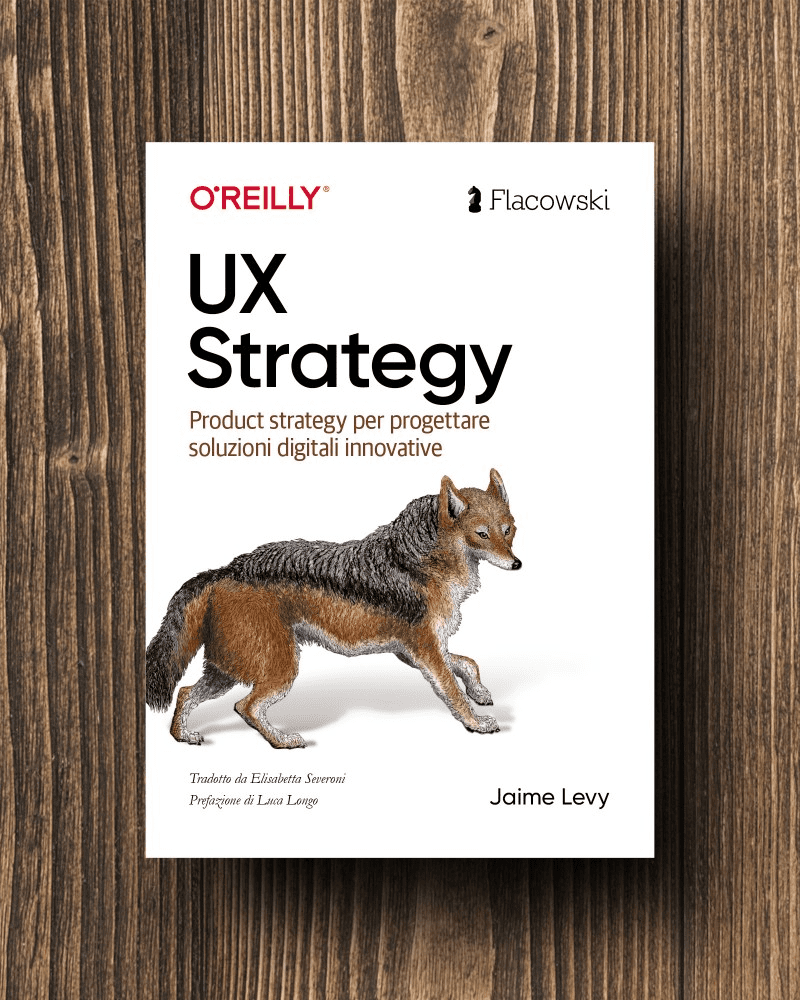

This book offers a detailed and actionable guide to UX strategy, a crucial aspect of product development that ensures your product solves real problems and provides real value for your target customers.
Part 1: Foundation of UX Strategy
Chapter 1: What is UX Strategy?
The book opens with a compelling story of a software engineer who, despite possessing technical expertise and passion, failed to launch a successful product because he didn’t understand his target customer’s needs. This story highlights the critical role of UX strategy in product development.
The chapter then debunks common misconceptions surrounding UX strategy, emphasizing that it’s not simply about finding a “North Star” goal or being a “strategic way” to perform UX design. Instead, UX strategy is the Big Picture – a high-level plan to achieve business goals under conditions of uncertainty.
Key Takeaways:
- UX Strategy is not a “North Star”: UX strategy is not a fixed roadmap, but a flexible plan that adapts to changing circumstances.
- UX Strategy is not just UX Design: It’s a separate discipline that informs UX design by understanding customer needs, competitive landscape, and the business model.
- UX Strategy is the “Big Picture”: It helps build a product vision by addressing crucial questions like:
- What problem are you solving?
- Who is your target customer?
- What makes your product unique and valuable?
Chapter 2: The Four Tenets of UX Strategy
This chapter establishes the core framework of the book’s approach to UX strategy, outlining four key tenets:
1. Business Strategy:
- Company’s Vision: Defines the company’s goals, competitive advantage (cost leadership or differentiation), and business model.
- Competitive Advantage: Understands the unique strengths that make your product stand out and succeed in the marketplace.
- Business Model Canvas: A tool to analyze and validate components of your business model, such as customer segments, value propositions, and revenue streams.
2. Value Innovation:
- Disruptive Innovation: Creating new products or services that change user behavior and disrupt existing mental models.
- Blue Ocean Strategy: Seeking uncontested market spaces where you can create high value without competing directly with existing players.
- Value Innovation = Differentiation + Cost Leadership: Combining the benefits of unique value with cost-effectiveness to create a powerful offering.
3. Validated User Research:
- Confronting Your Target Customers: Getting out of the building and directly interacting with your potential customers to understand their needs and problems.
- Experimentation & Testing: Running experiments, testing hypotheses, and validating assumptions to ensure you are building a product that solves real problems.
- Lean Startup Methodology: Emphasizing the importance of building Minimum Viable Products (MVPs) – simplified versions of your product to quickly test and learn.
4. Killer UX Design:
- User-Centric Design: Understanding user behavior and key experiences to create delightful and engaging interactions.
- Beyond Traditional UX Design: Moving beyond delivering wireframes and visual design to address the holistic user experience, including user flow, navigation, and content strategy.
- Killer UX Design = Value Innovation + UX: Designing experiences that not only provide value but also convert users into customers.
Part 2: Building the Product Vision
Chapter 3: Validating the Value Proposition
This chapter delves into the process of defining and validating your value proposition – the core promise you make to your customers about the benefits they will receive from using your product.
Key Steps:
- Define Your Primary Customer Segment: Identify a specific group of people with a common need or pain that your product aims to solve.
- Identify Your Customer Segment’s (Biggest) Problem: Articulate the specific challenge this segment faces that your product aims to address.
- Create Provisional Personas: Develop simplified user profiles to represent your target customer segment. Include details like name, description, behaviors, needs, and goals.
- Conduct Customer Discovery: Go out into the world and talk to real people who match your provisional personas. This involves problem interviews to understand their experience with the problem and solution interviews to get feedback on your proposed solution.
- Reassess Your Value Proposition: Analyze the feedback you received and make adjustments to your value proposition based on what you learned.
Chapter 4: Conducting Competitive Research
This chapter covers the importance of understanding your competition and conducting competitive analysis to identify both direct and indirect competitors.
Key Steps:
- Identify Direct & Indirect Competitors: Define the products and services that offer similar value propositions to your target customers.
- Create a Competitive Analysis Matrix: Use a spreadsheet tool to gather and organize data about competitors, including key attributes like:
- Website or app store location
- Usernames and passwords for firsthand experience
- Purpose of site
- Year founded
- Funding rounds
- Revenue streams
- Monthly traffic
- Number of products or listings
- Content types
- Social network presence
- Personalization features
- Competitive advantages
- User feedback and reviews
- Analyze Competitor Data: Benchmark competitors based on key attributes, identify best practices, and uncover opportunities for differentiation.
- Write a Competitive Analysis Findings Brief: Summarize your research and analysis in a clear and concise document, including:
- Introduction
- Overview of direct and indirect competitors
- Key features from influencers (products outside your immediate competitive landscape)
- Recommendations for moving forward.
Chapter 5: Conducting Competitive Analysis
This chapter explains how to convert the raw data gathered from competitive research into actionable insights.
Key Steps:
- Scan, Skim, and Color-Code: Quickly review the spreadsheet, highlight key data points, and identify patterns.
- Create Logical Groupings: Organize competitors into subgroups based on common traits, such as platform, content type, or business model.
- Benchmark Competitors: Compare competitors based on different attributes, identify best practices, and uncover opportunities for improvement.
- Analyze Each Competitor: Use the analysis column to summarize your findings, identify key takeaways, and provide a clear understanding of each competitor’s strengths and weaknesses.
- Write the Competitive Analysis Findings Brief: Synthesize your research and analysis into a clear and concise document.
Chapter 6: Storyboarding Value Innovation
This chapter focuses on brainstorming and identifying value innovation – those features and experiences that will make your product unique and indispensable to users.
Key Concepts:
- Value Innovation Patterns: Four key patterns for identifying value innovation:
- Mash-up of features: Combine features from existing competitors and influencers to create a better alternative.
- Innovative “slice” or twist: Offer a new approach to an existing product concept or feature.
- Consolidation of experiences: Combine disparate experiences into a single, simple solution.
- Two-sided marketplace: Create a platform that brings two distinct user segments together to transact.
- Key Experiences: The core features that define your value innovation and differentiate your product from the competition.
- Techniques for Discovering Value Innovation:
- Identify Key Experiences: Ask questions about what would make your users love the product, what differentiates it from the competition, and what key moments or features create its unique value.
- Take Advantage of UX Influencers: Seek inspiration from products outside your immediate competitive landscape to identify new features and interaction patterns.
- Do Feature Comparisons: Analyze and compare similar features from multiple products to identify best practices and potential improvements.
- Storyboard the Value Innovation: Use visual storytelling to create a narrative of your product’s key experiences and demonstrate its value.
Part 3: Validating and Refining the Product
Chapter 7: Creating Prototypes for Experiments
This chapter emphasizes the importance of early experimentation and testing your product concepts to validate your assumptions and get feedback from users.
Key Concepts:
- Minimum Viable Products (MVPs): Simplified versions of your product that contain just enough functionality to test your core value proposition.
- Design Hacking the Solution Prototype: Quickly create prototypes by borrowing elements and design patterns from existing websites and products.
- Solution Prototype Framework: Include essential screens to demonstrate your product’s key experiences and value proposition.
Chapter 8: Conducting Guerrilla User Research
This chapter introduces guerrilla user research, a cost-effective and efficient method of getting feedback from users in a real-world setting.
Key Steps:
Planning Phase:
- Determine Research Objectives: Clearly define what you want to learn about your product and its value proposition.
- Prepare Interview Questions: Develop a set of open-ended questions to guide user interviews.
- Scout the Venue: Select a comfortable and convenient location, such as a café, to conduct your interviews.
- Advertise for Participants: Create an advertisement to attract potential participants.
- Screen Participants: Carefully screen potential participants to ensure they meet your criteria.
Interview Phase:
- Prep the Venue: Ensure your chosen location is comfortable and quiet.
- Participant Compensation & Etiquette: Pay participants fairly and ensure they are comfortable.
- Conduct Interviews: Be professional, engage with participants, ask prepared questions, and take detailed notes.
- Extract Succinct Notes: Capture key insights from interviews in a concise and organized format.
Analysis Phase:
- Synthesize Feedback: Analyze the data gathered during the interviews.
- Determine Next Steps: Decide whether to pivot your strategy, double-down on your current approach, or abandon the project.
Chapter 9: Designing for Conversion
This chapter focuses on the customer acquisition process and how to design for conversion – a set of UX strategies and techniques to increase user engagement and convert suspects into repeat customers.
Key Concepts:
- Funnel Matrix: A tool to visualize and analyze the different stages of customer acquisition:
- Suspect: Potential customers who might be interested in your product.
- Lead: Users who have shown interest in your product by providing their contact information.
- Prospect: Users who have expressed a strong desire for your product and have taken initial action toward making a purchase.
- Customer: Users who have made a purchase or taken a valuable action within your product.
- Repeat User: Customers who regularly use your product.
- Reference User: Customers who actively refer others to your product.
- Landing Page Experiments: A method of validating your value proposition, acquiring leads, and testing different versions of your product before a full launch.
Chapter 10: Strategists in the Wild
This chapter features interviews with five experienced UX strategists who share their insights, experiences, and techniques.
Key Takeaways from Interviews:
- The Importance of UX Strategy: Strategists highlight its crucial role in product development, emphasizing its connection to user research, product design, and business strategy.
- Learning Business Strategy: Interviewees share their experiences with learning business strategy through practical experience and the importance of understanding how businesses generate revenue and manage costs.
- Value of Formal Education: While acknowledging the benefits of an MBA, they emphasize the importance of practical experience and the limitations of formal education in preparing for the challenges of UX strategy.
- Memorable Product Strategies: They discuss projects that were particularly successful, highlighting the importance of user research, collaboration, and creating value for both the business and the customer.
- Challenges in Different Environments: They explore the unique challenges of conducting UX strategy in startups, agencies, and large enterprises.
- Importance of Experimentation: They discuss their experiences with conducting user research, prototyping, and testing, emphasizing the importance of getting feedback from users throughout the product development process.
- Secret Weapons & Techniques: They share their favorite tools and methods for developing strategies and building consensus, including user journey maps, ecosystem maps, and creative briefs.
- Skills and Mindsets for Success: They highlight the importance of critical thinking, emotional intelligence, systems thinking, and storytelling for effective UX strategy.
Part 4: UX Strategy Beyond the Book
The book concludes with a call to action, encouraging readers to continue learning, experimenting, and pushing the boundaries of UX strategy.
Overall, the book provides a comprehensive and actionable guide to UX Strategy, emphasizing the need for a strategic approach to product development, highlighting the importance of understanding your customers, conducting research, analyzing your competition, and constantly iterating based on user feedback. It is a valuable resource for anyone seeking to improve their UX skills and create successful products that users love and businesses can thrive upon.







Leave a Reply