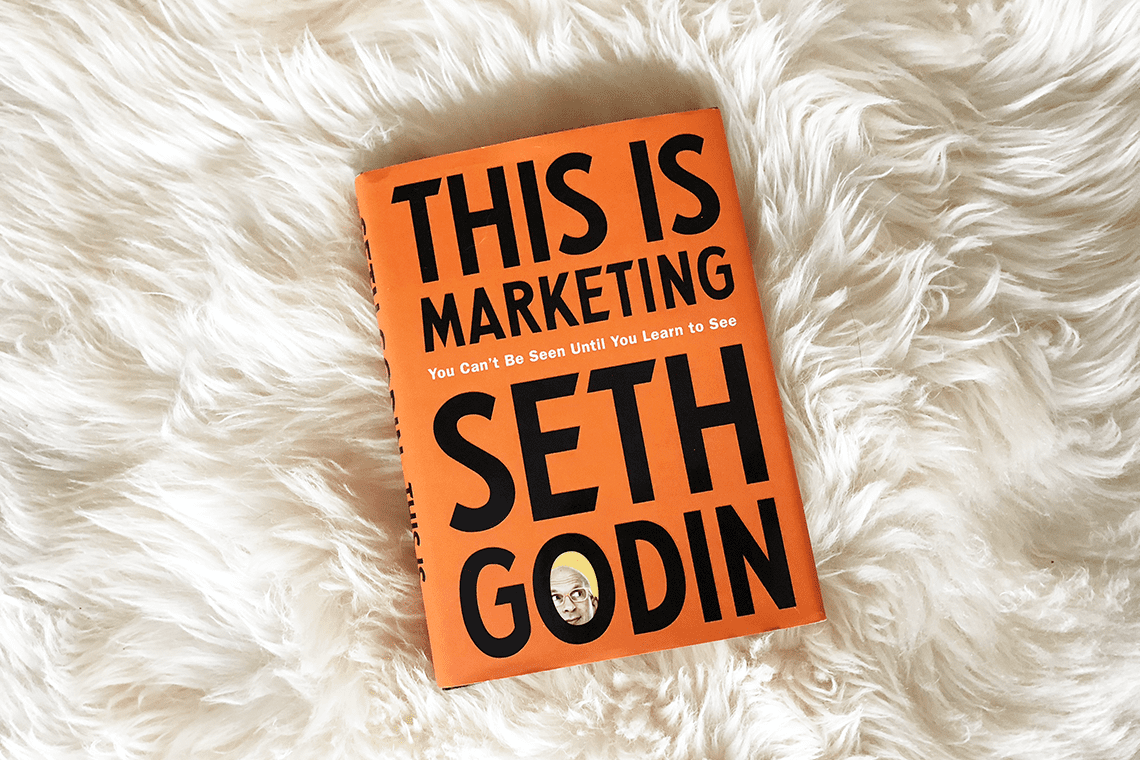

Chapter 1: What Is Marketing?
Definition of Marketing: Marketing is the process of inventing, designing, and building something that people want to buy, telling a story about it, and spreading the word. It’s not just about selling products or services; it’s about understanding customer needs and creating solutions that meet those needs.
Purpose of Marketing: The ultimate purpose of marketing is to make a positive change in the world. Marketing can help businesses grow and thrive, create jobs, and improve people’s lives.
Goals of Marketing: Marketing goals can vary depending on the specific business and its objectives. Some common marketing goals include:
- Increasing brand awareness
- Generating leads
- Driving sales
- Building customer loyalty
Chapter 2: The Market
The Myth of Rational Choice: People’s decisions are often influenced by emotions, social norms, and personal biases, rather than purely rational analysis. Marketers need to understand these factors in order to create effective marketing campaigns.
Segmentation and Targeting: Dividing the market into smaller groups based on shared characteristics, such as demographics, psychographics, or behavior, allows marketers to tailor their messages and strategies to specific target audiences.
Value Proposition: The value proposition is a clear and concise statement that explains the unique benefits and value that a product or service offers to customers. It’s essential for differentiating a product or service from the competition.
Chapter 3: The Offer
Product and Service Design: Product and service design should focus on creating solutions that meet the specific needs and desires of target customers. Marketers need to understand the customer journey and identify the pain points that their products or services can solve.
Brand Building: A strong brand identity helps customers recognize and remember a business and its offerings. Brand building involves creating a consistent brand message and experience across all touchpoints.
Pricing: Pricing decisions should consider factors such as customer value, competition, and market conditions. Marketers need to find the right price point that maximizes revenue while still providing value to customers.
Chapter 4: The Story
Storytelling in Marketing: Stories are a powerful way to connect with customers on an emotional level and build relationships. Marketing messages that are told in a story format are more likely to be remembered and acted upon.
Connection and Emotion: Marketing messages that evoke emotions and create a connection with customers are more likely to be successful. Marketers should focus on creating content that is relevant, relatable, and emotionally resonant.
The Hero’s Journey: The hero’s journey is a narrative structure that can be used to create compelling marketing stories that resonate with customers. The hero’s journey typically involves a protagonist who overcomes challenges and obstacles to achieve a goal.
Chapter 5: The Spread
Permission Marketing: Permission marketing involves obtaining consent from customers before sending them marketing messages. This helps build trust and respect, and it can increase the effectiveness of marketing campaigns.
Social Sharing: Social media and other online platforms provide opportunities for customers to share their experiences and opinions about products and services. Marketers can encourage social sharing by creating shareable content and providing incentives for customers to share.
Referral Marketing: Referral programs incentivize customers to refer new customers to a business. This can be a cost-effective way to acquire new customers and build a loyal customer base.
Chapter 6: The Change
Cultivating Champions: Identifying and supporting passionate advocates who believe in a brand and are willing to spread the word can amplify marketing efforts. Marketers can cultivate champions by providing them with exclusive content, opportunities to connect with the brand, and incentives to share their experiences.
Nurturing Culture: Marketing can play a role in shaping cultural norms and beliefs. Marketers can use their platforms to promote positive values and behaviors, and they can challenge harmful stereotypes and biases.
The Network Effect: When customers connect with each other and share their experiences, it can create a positive feedback loop that drives growth and adoption. Marketers can encourage the network effect by creating online communities and forums, and by facilitating customer interactions.
Chapter 7: The Canvas of Dreams and Desires
Understanding Customer Desires: Marketers must understand the underlying desires and motivations that drive customer behavior. This involves conducting market research, observing customer behavior, and listening to customer feedback.
Creating New Solutions: Innovation is key to creating new products and services that meet unmet customer needs and solve problems. Marketers can foster innovation by encouraging creativity, experimentation, and collaboration.
Defining a Smallest Viable Market: Targeting a specific group of customers with a minimum viable product or service allows for focused development and validation. This can help marketers to identify and refine their value proposition before investing heavily in a full-scale launch.
Chapter 8: The Virtuous Cycle
Remarkable Experiences: Delivering exceptional customer experiences builds loyalty and encourages positive word-of-mouth. Marketers should focus on creating memorable and positive experiences at every touchpoint.
Word-of-Mouth Marketing: Positive word-of-mouth is one of the most powerful forms of marketing, as it is based on trust and credibility. Marketers can encourage word-of-mouth marketing by creating shareable content, providing incentives for referrals, and responding to customer feedback.
Growth and Expansion: A virtuous cycle of remarkable experiences, word-of-mouth marketing, and growth can lead to sustained business success. Marketers should focus on creating a positive flywheel effect that drives continuous improvement and growth.
Chapter 9: The Funnel
The Customer Journey: Understanding the customer journey helps marketers identify touchpoints and opportunities to engage with customers. The customer journey typically involves several stages, such as awareness, consideration, purchase, and post-purchase.
Building Trust and Enrolling Customers: Establishing trust and building relationships with customers is essential for driving engagement and conversions. Marketers can build trust by being transparent, providing value, and responding to customer feedback.
Overcoming Obstacles and Driving Engagement: Marketers must address customer concerns and remove barriers to purchase to drive engagement and move customers through the funnel. This may involve providing educational content, offering incentives, or simplifying the purchase process.
Chapter 10: The Long Tail
The Pareto Principle: The Pareto principle states that 80% of results come from 20% of efforts, highlighting the importance of focusing on high-value activities.
Niche Marketing: Niche marketing involves targeting specific, underserved segments of the market with tailored products and services. This can be a profitable strategy for businesses that can identify and effectively target niche markets.
The Power of the Long Tail: By aggregating demand from a large number of niche markets, businesses can generate significant revenue from products and services that may not be individually profitable. The long tail can be a valuable source of growth for businesses that are willing to invest in niche markets.
Chapter 11: Crossing the Chasm
The Chasm Theory: The chasm theory describes the gap between early adopters and the mass market. Crossing the chasm can be challenging for businesses, as the needs and behaviors of early adopters and the mass market are often very different.
Peer-to-Peer Influence: Early adopters play a crucial role in spreading the word about a product or service to the mass market. Marketers can leverage peer-to-peer influence by identifying and supporting early adopters, and by creating opportunities for them to share their experiences with others.
Creating a Bridge: Businesses can create a bridge across the chasm by developing strategies to reach and engage the mass market. This may involve adapting the product or service to meet the needs of the mass market, developing new marketing channels, and building partnerships with influencers.
Chapter 12: A Better Business Plan
Five Sections of a Marketing Business Plan: A comprehensive marketing business plan includes five sections:
- Truth Assertions: A description of the current market, competitors, and opportunities.
- Alternatives: A list of potential marketing strategies and tactics, along with their pros and cons.
- People: A description of the marketing team and their roles and responsibilities.
- Money: A financial forecast that outlines the expected costs and revenue of the marketing plan.
- Proof: Evidence to support the assertions and alternatives presented in the plan.
Chapter 13: Reaching the Right People
Strategic Marketing: Strategic marketing involves developing a long-term plan to achieve marketing goals. Strategic marketing decisions include target market selection, brand positioning, and marketing mix.
Tactical Marketing: Tactical marketing involves implementing specific marketing activities to execute the strategic marketing plan. Tactical marketing decisions include advertising, public relations, social media marketing, and email marketing.
Online Advertising: Online advertising allows businesses to reach specific target audiences through digital channels such as search engines, social media, and websites. Online advertising can be a cost-effective way to generate leads and drive sales.
Direct Marketing: Direct marketing involves communicating directly with customers through channels such as email, direct mail, and telemarketing. Direct marketing can be an effective way to build relationships with customers and drive sales.
Search Engine Optimization (SEO): Search engine optimization (SEO) involves optimizing a website and its content to rank higher in search engine results pages (SERPs). SEO can help businesses attract organic traffic to their website and improve their visibility online.
Chapter 14: Price Is a Story
The Role of Price in Marketing: Price is an important marketing tool that can communicate a product’s value, quality, and positioning. Marketers need to carefully consider pricing decisions in order to maximize revenue and profitability.
Price Positioning: Price positioning involves setting prices that align with a product’s perceived value and competitive landscape. Marketers can use different pricing strategies, such as premium pricing, value pricing, and competitive pricing, to position their products in the market.
Pricing Strategies: Marketers can use a variety of pricing strategies to achieve their marketing goals. Common pricing strategies include:
- Cost-plus pricing: Setting prices based on the cost of production plus a markup.
- Value pricing: Setting prices based on the perceived value of the product to customers.
- Competitive pricing: Setting prices based on the prices of competing products.
Chapter 15: Permission
Building Trust and Respect: Building trust and respect with customers is essential for effective marketing. Marketers should focus on being transparent, providing value, and respecting customer privacy.
Permission Marketing: Permission marketing involves obtaining consent from customers before sending them marketing messages. Permission marketing can help businesses build trust and relationships with customers, and it can increase the effectiveness of marketing campaigns.
The Power of Encouragement: Asking customers for feedback and encouraging them to share their experiences can help businesses improve their products and services. Marketers should create opportunities for customers to provide feedback and share their experiences.
Chapter 16: Remarkability
Why People Talk: People are more likely to talk about products and services that are remarkable. Marketers should focus on creating products and services that are unique, innovative, and memorable.
The Power of Evangelism: Evangelists are passionate advocates who believe in a brand and are willing to spread the word. Marketers can cultivate evangelists by providing them with exclusive content, opportunities to connect with the brand, and incentives to share their experiences.
Building a Tribe: Building a tribe of loyal customers can help businesses create a sustainable competitive advantage. Marketers can build a tribe by creating a sense of community, providing value to customers, and encouraging customer engagement.
Chapter 17: The Hero’s Journey
The Hero Archetype: The hero archetype is a common narrative structure that can be used to create compelling marketing stories. The hero’s journey typically involves a protagonist who overcomes challenges and obstacles to achieve a goal.
The Stages of the Hero’s Journey: The hero’s journey typically involves several stages, including:
- The call to adventure: The protagonist receives a call to adventure, which sets them on their journey.
- The refusal of the call: The protagonist initially refuses the call to adventure, but eventually overcomes their fears and accepts it.
- The meeting with the mentor: The protagonist meets a mentor who provides guidance and support on their journey.
- The crossing of the threshold: The protagonist crosses the threshold into a new world, where they face challenges and obstacles.
- The trials and tribulations: The protagonist faces trials and tribulations on their journey, which test their character and resolve.
- The climax: The protagonist reaches the climax of their journey, where they face their greatest challenge.
- The resolution: The protagonist resolves their conflict and achieves their goal.
- The return: The protagonist returns to their ordinary world, but they are changed by their journey.
Empowering Customers: Marketers can use the hero’s journey to empower customers and help them achieve their goals. By creating marketing stories that resonate with customers and provide them with the tools and support they need to succeed, marketers can help customers overcome challenges and achieve their full potential.
Chapter 18: The Future of Marketing
The Evolution of Marketing: Marketing is constantly evolving, as new technologies and trends emerge. Marketers need to stay up-to-date on the latest marketing trends and technologies in order to remain competitive.
Artificial Intelligence (AI): AI is having a major impact on marketing, as it can be used to automate tasks, improve customer segmentation, and personalize marketing messages. Marketers need to understand how to use AI effectively in order to maximize its benefits.
Sustainability and Social Responsibility: Consumers are increasingly demanding that businesses operate in a sustainable and socially responsible manner. Marketers need to incorporate sustainability and social responsibility into their marketing strategies in order to meet the needs of consumers and build long-term brand loyalty.
Chapter 19: Ethics in Marketing
Ethical Responsibilities: Marketers have a responsibility to act ethically and avoid deceptive or manipulative tactics. Marketers should always put the interests of customers first and strive to create marketing campaigns that are honest, transparent, and respectful.
The Power of Marketing: Marketing can be a powerful tool for good. Marketers can use their platforms to promote positive values and behaviors, and they can challenge harmful stereotypes and biases.
Marketing for Good: Marketing for good involves using marketing to create positive change in the world. Marketers can use their skills and resources to support social and environmental causes, and they can help to make the world a better place.
Chapter 20: Marketing Yourself
The Importance of Self-Marketing: In today’s competitive job market, it’s more important than ever to market yourself effectively. Self-marketing involves promoting your skills, experience, and value to potential employers and clients.
Personal Branding: Personal branding involves creating a distinctive brand that represents your unique character and capabilities. Personal branding can help you stand out from the competition and build a successful career.
Social Media Marketing: Social media marketing can be a powerful tool for self-marketing. Social media platforms allow you to connect with potential employers and clients, share your work, and build your professional reputation.
Chapter 21: Recommended Reading
- Purple Cow by Seth Godin
- All Marketers are Liars by Seth Godin
- The Four Steps to the Epiphany by Steve Blank
- The Tipping Point by Malcolm Gladwell





Leave a Reply