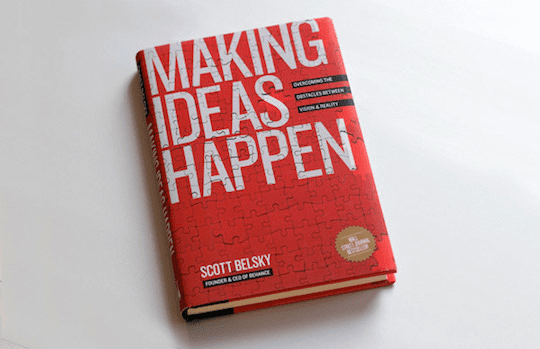
Overcoming the Obstacles Between Vision and Reality Paperback – Illustrated, March 27, 2012. by Scott Belsky

This comprehensive book explores the intricate interplay of organizational habits, personal leadership, and community engagement, providing practical strategies to navigate the challenges and maximize the potential of any creative endeavor.
Chapter 1: Overcoming Organizational Obstacles
Part 1: Organization and Execution
- The Action Method:
- A systematic approach to breaking down projects into manageable steps (Action Items), tracking progress (References), and setting aside non-essential tasks (Backburner Items).
- Project Management Tips:
- Prioritize Action Items: Use Eisenhower’s Urgent/Important Matrix to focus on the most critical tasks.
- Delegate Tasks: Empower team members to take ownership of tasks they are best suited for, freeing up your time for more strategic work.
- Set Deadlines: Establish clear deadlines to create a sense of urgency and accountability.
- Prioritization:
- Energy Line: A simple mechanism to allocate energy across projects based on their importance and urgency, ensuring that critical tasks receive the attention they need.
- Darwinian Prioritization: Use feedback from others to naturally select and prioritize actions, leveraging the collective wisdom of your team or community.
- Execution:
- Embrace Premature Action: Take action on fledgling ideas to overcome the project plateau, even if you don’t have all the answers.
- Cultivate Skepticism: Encourage critical evaluation of ideas to expose potential flaws and improve quality, fostering a culture of constructive feedback.
- Create Prototyping Spaces: Establish physical or digital environments dedicated to rapid prototyping and experimentation, allowing for quick iteration and refinement of ideas.
Part 2: Meetings and Deadlines
- The Power of Meetings:
- Plan Sparingly: Hold meetings only when necessary and with clear agendas, ensuring that meetings are productive and time-efficient.
- Set Actionable Outcomes: Ensure that every meeting generates a list of specific Action Items, providing clear direction for future actions.
- Measure Value by Action Items: The number of Action Items generated is a key metric for evaluating the effectiveness of a meeting, ensuring that meetings are focused on tangible outcomes.
- Chasing Deadlines:
- Commit to Deadlines: Set realistic deadlines to drive progress and avoid procrastination, providing a sense of urgency and motivation.
- Break Down Projects: Divide large projects into smaller, more manageable tasks to make them less daunting and easier to track, fostering a sense of accomplishment as tasks are completed.
- Delegate and Seek Feedback: Distribute tasks and actively seek feedback to improve efficiency and accountability, leveraging the skills and perspectives of your team or collaborators.
Chapter 2: Harnessing Community Forces
Part 1: The Value of Community
- Engaging with Peers:
- Share Ideas: Share ideas openly to refine them, gather feedback, and gain new perspectives, fostering a culture of collaboration and innovation.
- Seek Feedback: Actively seek constructive criticism from a diverse range of sources to improve ideas and identify blind spots, ensuring that ideas are well-rounded and robust.
- Collaborate: Partner with individuals or teams with complementary skills to leverage a wider range of expertise and resources, creating more impactful and innovative outcomes.
- Mentorship and Alliances:
- Find Mentors: Seek guidance and support from experienced professionals in your field, gaining valuable insights and advice to accelerate your growth and development.
- Partner with Others: Join forces with complementary businesses or individuals to access new markets, share resources, and cross-promote products or services, expanding your reach and impact.
- Transparency and Feedback:
- Share Ideas Openly: Foster a culture of transparency by sharing ideas and progress with others, building trust and encouraging collaboration.
- Create Feedback Mechanisms: Implement systems, such as the START/STOP/CONTINUE methodology, to facilitate regular feedback exchange, ensuring that ideas are continuously refined and improved.
- Building Circles:
- Create or Join Circles: Connect with like-minded individuals in small groups for support, accountability, and idea-sharing, creating a sense of community and shared purpose.
- Establish Clear Expectations: Set clear goals, expectations, and a consistent meeting schedule for circles, ensuring that circles are productive and focused.
- Limit Membership: Keep circle membership small (15 or less) to maintain focus and engagement, fostering a sense of intimacy and connection.
Part 2: Competition and Accountability
- The Power of Competition:
- Set Goals and Track Progress: Establish clear goals and track progress to foster healthy competition, motivating individuals and teams to perform at their best.
- Hold Participants Accountable: Assign responsibilities and hold individuals accountable for their contributions, ensuring that everyone is pulling their weight and contributing to the overall success of the project.
- Recognize and Celebrate Achievements: Acknowledge and reward successes to motivate participants and build team morale, fostering a sense of accomplishment and recognition.
- Public Commitment:
- Launch Ideas Publicly: Share your ideas and progress with the world to gain support, feedback, and a sense of accountability, creating a wider network of stakeholders and supporters.
- Use Social Media: Utilize social media platforms to connect with your audience, share updates, and engage in discussions, building a community around your ideas and projects.
Chapter 3: Self-Leadership and Growth
Part 1: Managing Internal Obstacles
- Self-Awareness:
- Understand Your Strengths and Weaknesses: Identify your unique talents, skills, and areas for improvement, gaining a clear understanding of your capabilities and limitations.
- Challenge Limiting Beliefs: Recognize and challenge self-limiting beliefs that hinder your creativity and growth, fostering a mindset of possibility and self-belief.
- Seek Feedback: Regularly seek feedback from trusted sources to gain insights into your strengths and weaknesses, identifying areas for improvement and growth.
- Emotional Intelligence:
- Recognize and Manage Your Emotions: Understand and regulate your own emotions to make sound decisions and build strong relationships, preventing emotions from clouding your judgment or damaging your interactions with others.
- Empathize with Others: Develop the ability to understand and respond to the emotions of others effectively, building rapport and fostering a positive work environment.
- Practice Emotional Self-Regulation: Control impulsive reactions and manage stress to prevent emotional outbursts or damage to relationships, maintaining composure and professionalism under pressure.
Part 2: Continuous Learning and Improvement
- Embracing Ambiguity:
- Accept Uncertainty: Recognize that uncertainty is an inherent part of the creative process, embracing it as an opportunity for innovation and growth.
- Stay Adaptable: Embrace change and be willing to adjust your plans as needed, maintaining flexibility and resilience in the face of unexpected challenges.
- Use Ambiguity to Innovate: View uncertainty as an opportunity to find creative solutions and break away from conventional thinking, fostering originality and innovation.
- Learning from Failure:
- Reframe Failure as Learning: Shift your mindset to view failures as valuable learning experiences, embracing them as opportunities for growth and improvement.
- Analyze Mistakes: Identify the root causes of failures to prevent them from recurring in the future, gaining valuable insights and lessons from setbacks.
- Rebound with Resilience: Learn from your mistakes and move forward with determination to overcome challenges, developing resilience and perseverance in the face of adversity.
Conclusion: The Journey to Creative Success
Making Ideas Happen is not a linear or easy process. It requires a blend of organizational discipline, community engagement, and personal leadership. By embracing the principles outlined in this guide, you can overcome the obstacles between vision and reality, unleash your creativity, and bring your most ambitious ideas to life, transforming your dreams into tangible realities.







Leave a Reply