Introduction
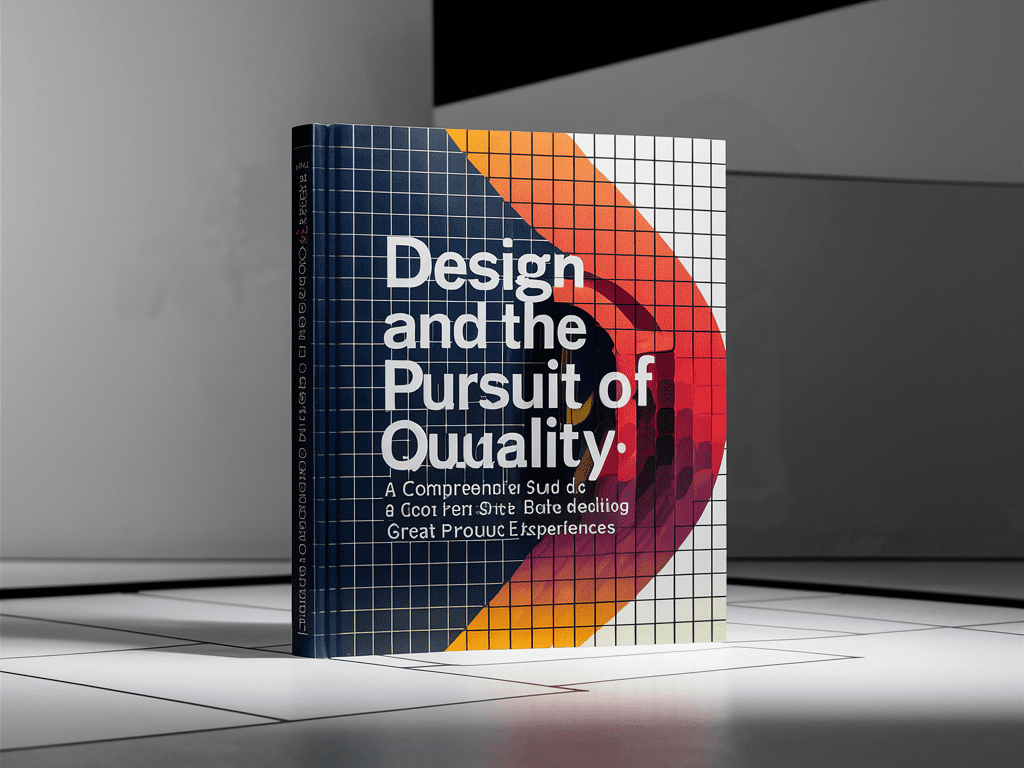
In an increasingly competitive digital landscape, the quality of design has emerged as a critical differentiator for businesses. From driving growth to enhancing trust and fostering loyalty, high-quality design plays a pivotal role in shaping user experiences and ultimately business outcomes. This article delves into the principles, practices, and processes that underpin the pursuit of quality in design, providing a comprehensive guide for teams and organizations seeking to elevate their product offerings and achieve design excellence.
Chapter 1: The Value and Impact of Quality Design
1.1 Quality: A Key Competitive Differentiator
In today’s digital-first world, users expect seamless, intuitive, and visually appealing experiences. Design plays a central role in delivering on these expectations by crafting interfaces and interactions that are easy to use, aesthetically pleasing, and tailored to specific needs. By investing in high-quality design, businesses can establish a competitive edge, differentiate themselves from the competition, and attract and retain a loyal customer base.
1.2 The ROI of Design
Contrary to the misconception that quality design is a cost, it is an investment that yields significant returns. Studies have consistently shown that well-designed products and experiences lead to increased user engagement, conversion rates, customer satisfaction, and ultimately revenue growth. By investing in design, organizations reap both financial and strategic benefits that far outweigh the initial costs.
1.3 Trust, Credibility, and Loyalty
In addition to driving growth, quality design enhances trust and credibility. When users encounter a well-crafted product, it instills a sense of confidence and reliability. This trust translates into increased loyalty and repeat business, as users are more likely to return to products and services that provide a positive and satisfying experience.
Chapter 2: Principles of Quality Design
2.1 Utility, Usability, and Desirability
Quality design strikes a delicate balance between three essential principles: utility, usability, and desirability. Utility focuses on ensuring that the product fulfills its intended purpose effectively. Usability emphasizes the ease with which users can navigate and interact with the product. Desirability encompasses the aesthetic appeal and emotional impact of the design, making it visually pleasing and engaging to use.
2.2 Simplicity and Clarity
Complexity can be the enemy of quality design. By embracing simplicity and clarity, designers can create interfaces and experiences that are easy to understand and use. This means reducing clutter, eliminating unnecessary elements, and providing clear and concise instructions. By prioritizing simplicity, designers can ensure that users can quickly find what they need and complete their tasks efficiently.
2.3 Consistency and Coherence
Consistency and coherence are crucial for creating a seamless and intuitive user experience. This involves maintaining a visual language, and functionality across different interfaces and touchpoints. By ensuring that all elements of the design work together harmoniously, designers can eliminate confusion and frustration, allowing users to navigate the product effortlessly.
2.4 Accessibility and Inclusivity
Quality design embraces accessibility and inclusivity, ensuring that the product is accessible and usable for everyone, regardless of their abilities or disabilities. This includes designing for different screen sizes and resolutions, providing alternative text for images, and using accessible color contrast and typography. By prioritizing inclusivity, designers can create products that are truly universal and cater to a diverse user base.
Chapter 3: Processes and Practices for Quality Design
3.1 User-Centered Design
User-centered design is a fundamental principle that guides the entire design process. It involves deeply understanding the needs, motivations, and behaviors of the users for whom the product is being designed. By involving users in the design process, gathering feedback, and conducting user research, designers can create products that are genuinely aligned with the needs and expectations of the target audience.
3.2 iterative Design
Iterative design is an essential part of the design process, enabling designers to refine and improve their work incrementally. It involves creating multiple prototypes, testing them with users, and incorporating their feedback into subsequent iterations. This iterative approach allows designers to identify and address usability issues, improve functionality, and enhance the overall user experience.
3.3 Collaboration and Cross-Functional Teams
Quality design requires close collaboration between designers, engineers, product managers, and other stakeholders. By working together as a cross-functional team, different perspectives and expertise can be combined to create truly exceptional products. This collaboration fosters a shared understanding of goals, ensures a cohesive design vision, and aligns the product’s features and functionality with the overall business strategy.
3.4 Design Systems and Standards
Design systems and standards play a vital role in maintaining consistency and coherence across products and teams. By creating a set of reusable components, style guides, and design principles, designers can streamline the design process, ensure uniformity, and facilitate collaboration. Design systems also enable organizations to scale their design efforts as they grow, ensuring that the quality of their products remains high.
Chapter 4: Measuring and Evaluating Design Quality
4.1 Objective and Subjective Metrics
Evaluating design quality involves a combination of objective and subjective metrics. Objective metrics, such as conversion rates, user engagement, and error rates, provide quantifiable data that can be tracked and analyzed. Subjective metrics, such as user satisfaction surveys, feedback, and expert reviews, offer qualitative insights into the overall user experience and the perceived quality of the design.
4.2 User Testing and Feedback
User testing is a powerful tool for evaluating design quality. By observing users interacting with a product, designers can identify usability issues, gauge user satisfaction, and gather valuable feedback. This feedback can then be used to refine the design and improve the overall user experience.
4.3 Continuous Monitoring and Iteration
Quality design is not a one-time achievement but an ongoing pursuit. By continuously monitoring the performance of their products, collecting user feedback, and iterating on their designs, teams can ensure that the quality of their products remains high and evolves in response to changing user needs and market trends.
Chapter 5: Building and Scaling Design Teams for Quality
5.1 Hiring for Design Quality
Hiring designers with the right skills, mindset, and values is essential for building a high-performing design team. Look for candidates who are passionate about design, have a deep understanding of user experience principles, and demonstrate a strong commitment to quality and craftsmanship.
5.2 Developing Design Talent
Investing in the professional development of designers is crucial for sustaining design excellence. Provide opportunities for designers to learn new skills, attend conferences, and collaborate with industry experts. By fostering a culture of continuous learning and growth, organizations can empower their design teams to deliver exceptional results.
5.3 Fostering a Culture of Quality
Creating a culture of quality within the design team is essential for driving consistent high-quality output. Emphasize the importance of craftsmanship, attention to detail, and iterative design. Encourage designers to challenge assumptions, experiment with new ideas, and seek feedback from each other. By fostering a culture of open communication and constructive criticism, teams can create an environment where quality is valued and pursued at every stage of the design process.
Chapter 6: Case Studies and Best Practices
6.1 Stripe: Redefining Checkout Experiences
Stripe, a leading payment processing company, has revolutionized the checkout experience by prioritizing design and user experience. By focusing on simplicity, clarity, and accessibility, Stripe has created a checkout process that is both efficient and enjoyable for users. By eliminating unnecessary steps, providing clear instructions, and offering a range of payment options, Stripe has made online payments faster, easier, and more secure.
6.2 Airbnb: Designing for Trust and Community
Airbnb, a vacation rental platform, has built its brand on trust and community. By prioritizing design that fosters a sense of safety, authenticity, and belonging, Airbnb has created a platform where users feel confident in renting out their homes and booking accommodations in unfamiliar places. Through features like verified profiles, detailed reviews, and a robust messaging system, Airbnb has built a thriving community of travelers and hosts who trust the platform to provide exceptional experiences.
6.3 Lyft: Reimagining Urban Transportation
Lyft, a ride-sharing company, has transformed urban transportation through its commitment to design and user experience. Lyft’s app is renowned for its simplicity, intuitiveness, and reliability. The company has also invested heavily in safety features, such as real-time tracking, driver ratings, and a dedicated safety team. By prioritizing the user experience at every touchpoint, Lyft has created a transportation service that is both convenient and trustworthy.
Conclusion
In the digital age, design has become a strategic imperative for businesses seeking to achieve success and differentiation. By embracing the principles, practices, and processes outlined in this article, organizations can build and scale high-performing design teams that deliver exceptional products and experiences. By pursuing quality in design, companies can drive growth, enhance trust, foster loyalty, and ultimately establish a competitive edge in the ever-evolving digital landscape.






Leave a Reply