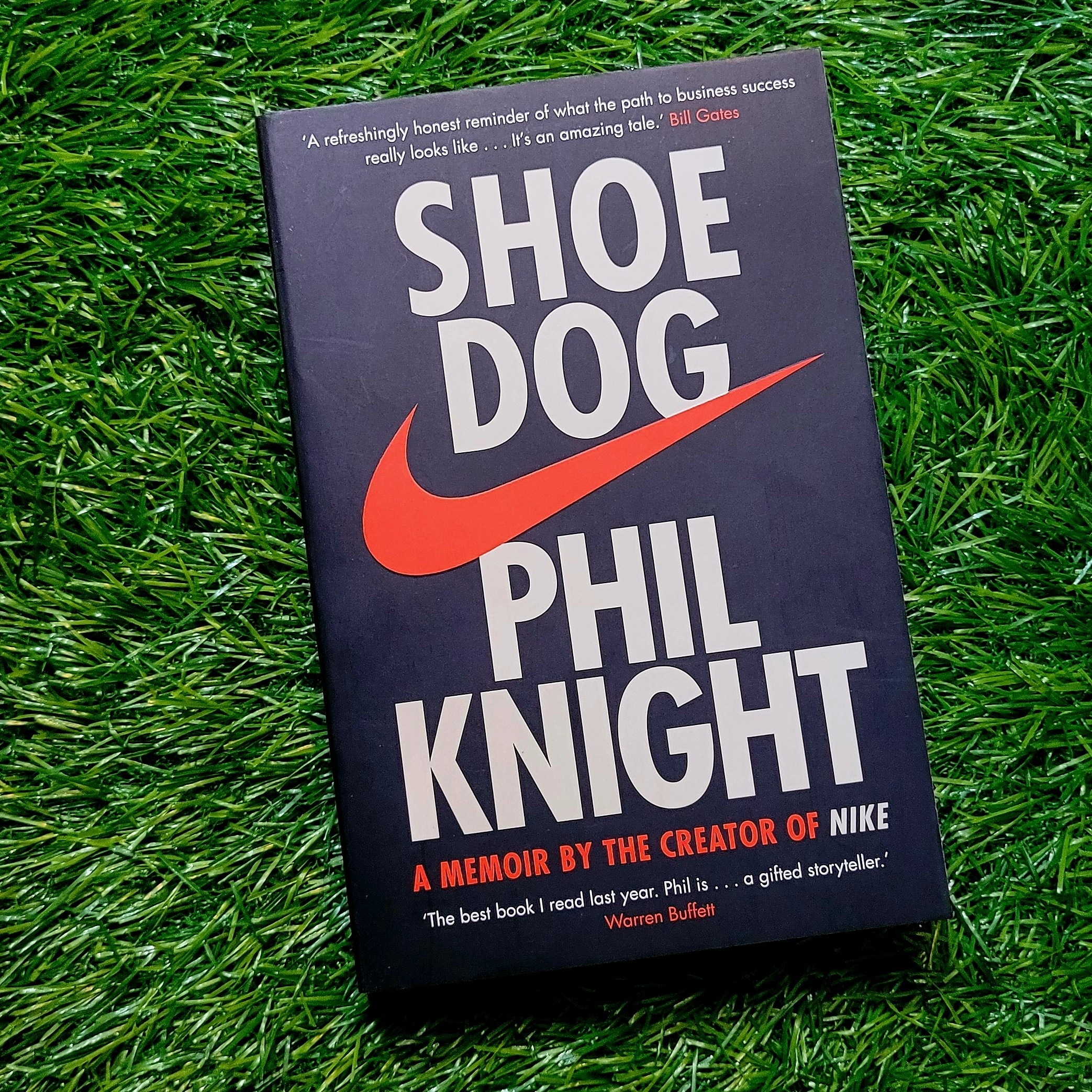

Shoe Dog: Complete Summary of Phil Knight’s Blueprint for Building Nike from a Crazy Idea
Introduction: What This Book Is About
“Shoe Dog” by Phil Knight offers an intimate, unvarnished memoir detailing the early years of Nike, from its humble beginnings as Blue Ribbon Sports to its transformation into a global footwear and apparel giant. Knight, the company’s founder, shares his personal journey, marked by relentless challenges, improbable victories, and a deep passion for running and entrepreneurship. This book teaches readers about the sheer grit, unwavering belief, and unexpected twists that define the path of building a groundbreaking business.
Readers gain insight into the often-chaotic reality of a startup, facing financial crises, fierce competition, and constant existential threats. Knight’s narrative highlights the importance of a strong team, strategic partnerships, and a willingness to embrace risk and learn from constant setbacks. This summary provides a comprehensive overview of the key events, pivotal decisions, and enduring lessons from Nike’s foundational years, offering a blueprint for anyone aspiring to turn a “crazy idea” into a lasting legacy.
The book is an essential read for entrepreneurs, business enthusiasts, and anyone interested in the human story behind one of the world’s most iconic brands. It reveals that success is rarely a straight line, often requiring a blend of audacity, resilience, and a touch of madness. This summary will provide a detailed account of each chapter, ensuring complete coverage of all significant insights and experiences shared by Phil Knight.
DAWN: The Crazy Idea Takes Shape
This introductory section sets the stage for Phil Knight’s entrepreneurial journey, detailing the genesis of his “Crazy Idea” and the personal motivations behind it. Readers learn about Knight’s internal struggles and his yearning for a meaningful, purposeful, and different life.
The Morning Run Revelation
Phil Knight, at 24 years old in 1962, grapples with a feeling of being a “kid” despite his academic achievements from the University of Oregon and Stanford Business School, and his military service. He finds himself reflective during his early morning runs, questioning his purpose and seeking something more than a conventional life. This period of self-doubt and introspection is crucial for the crystallization of his entrepreneurial vision, as he seeks to make his life meaningful and purposeful.
The Oregonian Identity
Knight reflects on his Oregon roots, characterized by a pioneer spirit and a diminished capacity for pessimism, attributes often cited by his former teacher. Despite Oregon’s tranquil beauty, he senses a lack of major historical events, fostering a desire to create something significant. This deep connection to his home state and its unique character subtly shapes his entrepreneurial drive, influencing his belief in out-sized possibility.
The Genesis of the “Crazy Idea”
Knight’s pivotal moment occurs during a run, where he envisions his life as “play,” a constant state of exuberant clarity and movement. This philosophical shift is rooted in his athletic background and a desire to feel what athletes feel without being one. He conceives the idea of importing Japanese running shoes to undercut German-dominated markets like Adidas, transforming a Stanford research paper into an all-out obsession. This Crazy Idea becomes the driving force for his future endeavors, representing his desire to leave a mark.
The Reluctance to Lose
Knight expresses a profound desire not to lose, rather than an explicit ambition to win. This subtle but significant distinction highlights his intrinsic motivation rooted in aversion to failure. He believes life is a game that must be played, and stopping is the ultimate defeat. This personal philosophy fuels his determination, propelling him forward despite internal doubts and external challenges, reinforcing his commitment to keep going and not stop.
1962: Convincing the Father and Seeing the World
This chapter details Phil Knight’s initial steps to launch his venture, focusing on his efforts to secure financial support from his father and his ambitious plan for a global backpacking trip. Readers learn about the cultural and personal hurdles he faces in pursuing his unconventional path.
The Pitch to Dad
Phil Knight carefully plans his approach to his father, Bill Knight, timing his request for the early evening when his father is relaxed. He rehearses his “Crazy Idea” about importing Japanese running shoes, framed within a broader desire to backpack around the world. His father, a respectable newspaper publisher, is initially presented with the global trip as the primary objective, with the shoe business as a secondary, experimental venture. This strategic presentation aims to minimize resistance and secure financial backing.
The Global Detour Vision
Knight’s desire to leave his mark on the world intertwines with an ambition to explore diverse cultures and sacred sites. He views the trip as a crucial preparatory step before launching his entrepreneurial life voyage. His aspirations go beyond mere tourism, seeking a profound connection with a capital C, desiring to understand the greater journey of humankind through visiting temples, churches, and holy places. This holistic view of travel is a foundational element of his personal growth.
Securing the Funding
Knight’s initial savings of $1,500 from his Army service and part-time jobs, along with the planned sale of his 1960 MG car, are insufficient for his ambitious travel and business plans. He reveals to his father a need for an additional grand ($1,000). Despite his father’s initial reluctance and traditional views on money and respectability, he eventually grants his blessing and the requested funds, partly due to his own regrets about not traveling more in his youth. This financial leap of faith is a critical enabler for Knight’s journey.
Family Reactions and War Memories
Knight’s grandmother, Mom Hatfield, expresses strong opposition to his trip to Japan, driven by lingering anti-Japanese sentiment from World War II. She fears for his safety, recalling vivid memories of Pearl Harbor and the brutality of the conflict. This personal anecdote highlights the deeply ingrained historical context surrounding his business venture in Japan. His mother, in contrast, remains silent but implicitly offers consent, reflecting her quiet support and willingness to let him forge his own path.
The Companion and the Preparations
Knight invites his Stanford classmate, Carter, to join him on the ambitious global journey. Carter, initially amused by the extensive itinerary, enthusiastically agrees, securing a loan from his own father. Their preparation involves packing light, focusing on essentials like running shoes, desert boots, and khakis, along with Knight’s one good suit for potential business meetings. This partnership provides Knight with a much-needed companion for his vast travels.
1962 (Continued): Hawaiian Interlude and Japanese Arrival
This section continues Phil Knight’s journey, detailing his unplanned stop in Hawaii and the challenges he faces upon his arrival in Japan. Readers learn about his early attempts at sales, his unexpected foray into finance, and the initial culture shock of a war-torn Tokyo.
The Hawaiian Detour
Phil Knight and Carter arrive in Hawaii in September 1962, initially planning a brief stopover before continuing their world tour. They are immediately captivated by the island’s beauty and decide to extend their stay. This impromptu decision reflects Knight’s willingness to adapt and seize new opportunities, even if they diverge from his meticulously planned itinerary. Their immediate immersion in surfing and beach life highlights their youthful desire for spontaneity and enjoyment.
First Ventures: Selling Encyclopedias
To fund their extended stay, Knight and Carter take up jobs selling encyclopedias door-to-door. Knight, being naturally shy and uncomfortable with rejection, struggles immensely in this role. He attempts to use the prescribed sales script, emphasizing the “Vast Compendium of Human Knowledge,” but consistently faces rejection. This early failure in a traditional sales environment contrasts sharply with his later success in selling shoes, hinting at the importance of belief in the product.
The Pivot to Securities Sales
Failing at encyclopedia sales, Knight finds an opportunity selling securities for Investors Overseas Services (IOS), a firm headed by the famous businessman Bernard Cornfeld. Despite his shyness, his MBA background and a straightforward approach to speaking the truth enable him to quickly close sales of Dreyfus Funds. This experience provides him with immediate financial stability, covering his rent for six months, and offers an early lesson in finding a sales approach that aligns with his personality, even if he finds the “boiler room” environment distasteful.
The Cuban Missile Crisis and Departure from Hawaii
The escalating Cuban Missile Crisis instills a sense of carpe diem in Knight and Carter, as they contemplate the potential end of the world from the comfort of Hawaiian dive bars. When the crisis unexpectedly subsides, Knight experiences a “sharp restlessness,” realizing it is time to resume his original world tour. Carter, however, chooses to stay in Hawaii due to a new romantic relationship, forcing Knight to continue his journey alone. This decision marks a significant step towards independent action.
Arrival in Tokyo and Initial Impressions
Knight arrives in Tokyo, Japan, on Thanksgiving Day, 1962, filled with apprehension due to lingering wartime memories and his grandmother’s warnings. His initial impressions of the city are stark, seeing vast sections still in “liquid black” from American B-29 bombings. This immediate encounter with the war’s devastation provides a somber context for his business aspirations in a country still recovering from immense destruction, highlighting the fragility and resilience of human endeavors.
The First Japanese Accommodation
Knight’s initial reservation, made sight unseen through American Express, turns out to be a “dingy hostel” that appears “about to implode.” This unglamorous accommodation starkly contrasts with his travel aspirations and provides a dose of reality after his idyllic Hawaiian interlude. Despite the discomfort, Knight’s ability to quickly adjust and focus on his objectives demonstrates his pragmatic and adaptable nature.
1962 (Continued): Cultural Immersion and Business Revelation
This section delves into Phil Knight’s deepening understanding of Japanese culture and his crucial encounter with Onitsuka Co. Readers witness his initial explorations of Tokyo, his insights into Zen philosophy, and the pivotal meeting that sets his entrepreneurial dream in motion.
The Kindness of Strangers and Tokyo Exploration
After a night in a “dingy hostel,” Phil Knight seeks out contacts provided by his father at United Press International. These American ex-pats provide him with a decent hotel, food recommendations, and crucial advice: speak to the fellas at “Importer” magazine before doing anything rash. Knight then embarks on a solo exploration of Tokyo, visiting surviving landmarks like ancient temples and shrines. This period of quiet contemplation allows him to immerse himself in Japanese culture and philosophies, particularly Zen.
Zen and the Entrepreneurial Mindset
Knight is particularly drawn to Zen Buddhism, fascinated by concepts like “kensho” (satori) or enlightenment that comes in a flash, and the Zen teaching that “self is a mirage.” He connects Zen’s emphasis on forgetting the self with the pursuit of perfection in martial arts, where victory comes from transcending the dualities of self and opponent. This philosophical exploration resonates with his athletic background and begins to shape his emerging entrepreneurial mindset, suggesting that true clarity comes from letting go of self-consciousness.
The Contrasts of Tokyo: Stock Exchange and Sacred Gardens
Knight experiences the jarring contrasts of Tokyo, from the “bedlam” of the Tokyo Stock Exchange (Tosho), which he perceives as a “depraved version of Cornfeld’s boiler room,” to the serene tranquility of the Meiji Emperor’s garden. His discomfort with the financial chaos highlights his deeper desire for purposeful work beyond mere money accumulation. The sacredness of the garden offers a moment of peace and reflection, reinforcing his quest for something meaningful and important in his life.
The “Importer” Magazine and Japanese Business Practices
Following the advice of the UPI journalists, Knight visits the “Importer” magazine, run by two American ex-GIs who have fallen in love with Japan. They offer him crucial insights into Japanese business etiquette, emphasizing the importance of indirectness, patience, and avoiding the “hard sell.” They explain that “no one ever turns you down flat,” but also “no one ever says yes, either.” This tutorial on “sinewy” negotiations prepares Knight for the nuanced and often perplexing interactions he will face.
The Onitsuka Meeting: A Moment of Truth
Feeling the urgency to act on his “Crazy Idea,” Knight directly contacts Onitsuka Co. in Kobe, the manufacturer of Tiger shoes, a brand he admires. Despite arriving half an hour late to the factory, he is met by four executives, who offer him a tour and a seat of honor in their conference room. This pivotal meeting forces him to articulate his vision under immense pressure, realizing that his future depends on this encounter. He is struck by the lingering presence of World War II in the room, adding a complex subtext to the negotiations.
The Birth of Blue Ribbon Sports
When asked about the company he represents, Knight, in a moment of adrenaline-fueled improvisation, invents the name “Blue Ribbon Sports of Portland, Oregon.” This spontaneous creation is based on his high school track trophies and a desire for an immediate, respectable identity. He then delivers his rehearsed pitch, outlining the vast, untapped American shoe market and the potential for Japanese shoes to undercut Adidas. The Onitsuka executives, initially surprised by his proposal, reveal their existing interest in the American market and their wrestling shoe sales in the Northeast.
The Partnership and First Order
To Knight’s astonishment, Onitsuka pitches him the opportunity to become their exclusive representative for Tiger shoes in the United States. He immediately accepts, recognizing the profound potential of this partnership. He selects the Limber Up training shoe as his first product and places an order for samples, promising a money order for $50. This marks the formal inception of Blue Ribbon Sports and the beginning of his entrepreneurial journey, a moment he immediately communicates to his father.
1962-1963: Post-Japan Wanderings and Return Home
This section follows Phil Knight after his pivotal meeting with Onitsuka, as he continues his global travels before reluctantly returning to Oregon. Readers witness his struggle with loneliness, his re-entry into conventional life, and his growing impatience for his business venture to begin.
Continued Global Exploration
After securing the deal with Onitsuka, Phil Knight faces a dilemma: return home to start his business or continue his world tour. His curiosity about the world wins, leading him to Hong Kong, the Philippines, Bangkok, Vietnam, and India. He encounters extreme poverty, chaotic urban landscapes, and spiritual landmarks, seeking deeper meaning and connection. His experiences in these diverse environments broaden his perspective, though moments of loneliness and discomfort frequently punctuate his journey.
Encounters with Humanity and Spirituality
In Hong Kong, Knight is disturbed by the sight of beggars, and in Manila, he is fascinated by MacArthur’s penthouse and the general’s famous quote: “You are remembered for the rules you break.” In Bangkok, he visits sacred sites like Wat Phra Kaew, pondering his purpose before the immense jade Buddha. His travels culminate in Calcutta, where he suffers a severe illness, and Varanasi, where he witnesses open-air cremations and ritual bathing in the Ganges. These profound experiences provide him with a rich tapestry of human existence, shaping his evolving worldview.
The Lure of Home and the Himalayas
Despite the intensity of his global adventures, Knight feels the constant pull of home and the impending reality of his new venture. His visit to Nepal, hiking in the Himalayas and seeing Mount Fuji, sparks a desire for personal achievement and a return to his business. He vows to climb Fuji again “when I had something to celebrate,” setting a future goal tied to his entrepreneurial success. This blend of spiritual seeking and practical ambition is a recurring theme in his journey.
The Return to Oregon and Anticipation
Phil Knight returns to his family home in Claybourne Street, Portland, on February 24, 1963, his 25th birthday, looking transformed with long hair and a beard. His family’s reactions range from crying out (mother) to blinking as if he’d never left (sisters). His immediate question upon embracing his father, “Did my shoes come?”, highlights his intense focus on the Onitsuka samples, signaling the shift from global explorer to anxious entrepreneur.
The Long Wait for Shoes
Despite his “momentous morning” in 1962 and the Onitsuka agreement, the samples of Tiger shoes are severely delayed. Knight sends a follow-up letter to Onitsuka after four months, receiving a cryptic reply: “Shoes coming. In just a little more days.” This early experience with the unreliability of international supply chains foreshadows future challenges and the frustration of waiting. His father’s humorous skepticism, “that fifty bucks is long gone,” reflects the initial perception of his venture as a “lark.”
Re-entry into Conventional Life and Accounting Studies
Facing the ongoing delay, Knight accepts the need for immediate income. Guided by his father’s old friend, Don Frisbee, CEO of Pacific Power & Light, Knight decides to pursue a CPA (Certified Public Accountant) license. Frisbee advises that a CPA, combined with his MBA, would “put a solid floor under your earnings,” providing a stable fallback career regardless of job changes. This pragmatic decision leads Knight to enroll in three accounting classes at Portland State, a step his father grumbles about due to its perceived lack of prestige compared to Stanford or Oregon.
The Grind of Accounting Work
Knight begins working at Lybrand, Ross Bros. & Montgomery, one of the “Big Eight” national accounting firms. The Portland branch’s small size leads to an overwhelming workload, with twelve-hour days, six days a week during busy season. He finds initial value in working with clients like Al Reser of Reser’s Fine Foods, learning important business lessons. However, he finds the work exhausting and frustrating, especially the firm’s strict counting of minutes and its refusal to allow him time off to mourn President Kennedy’s assassination. This experience reinforces his disdain for conventional corporate environments and heavy doses of rejection.
1964: The Tiger Arrives and Blue Ribbon Sports Begins to Roar
This chapter marks a pivotal turning point as the long-awaited Tiger shoes finally arrive, transforming Phil Knight’s life and setting Blue Ribbon Sports in motion. Readers witness the initial sales strategy, the crucial partnership with Bill Bowerman, and the first taste of validation for Knight’s “Crazy Idea.”
The Arrival of the Tigers
In early 1964, the long-awaited shipment of Tiger shoes from Onitsuka finally arrives, almost a year after Knight’s meeting in Japan. He races to the waterfront warehouse to collect ten enormous cartons, each containing thirty pairs of creamy white shoes with blue stripes, wrapped in cellophane instead of boxes to save cost. The sight of these shoes fills him with immense satisfaction and a deep appreciation for their beauty, which he regards as sacred objects, destined for marble pedestals.
The Bowerman Partnership: A Catalyst
Without hesitation, Knight immediately sends two pairs of Tigers to his former track coach, Bill Bowerman, at the University of Oregon. Bowerman, a renowned coach and a “Professor of Competitive Responses,” is obsessed with running shoes, constantly modifying and inventing to improve athlete performance, particularly emphasizing lightness. Knight, having been one of Bowerman’s “podiatry guinea pigs,” believes the inexpensive Tiger with its potential for improvement will deeply intrigue his mentor. Bowerman’s influence is foundational to Knight’s approach to shoes.
Bowerman’s Acceptance and the Fifty-Fifty Deal
Bowerman responds quickly, inviting Knight to lunch in Portland. To Knight’s astonishment, Bowerman not only praises the Tiger shoes but proposes a partnership: “How about letting me in on the deal?” This unexpected offer of a fifty-fifty partnership, requiring Bowerman to invest $500 for the first $1,000 order, is a monumental validation for Knight. The agreement solidifies at lunch, even extending to splitting the check, signaling a true collaboration.
Legal Formalization and Family Skepticism
The partnership is formalized with Bowerman’s lawyer and neighbor, John Jaqua, who suggests a 51-49 split in Knight’s favor, giving him operating control to avoid future “loggerheads.” This practical arrangement provides Knight with crucial autonomy. Despite this progress, Knight’s father remains skeptical, calling the shoe venture “jackassing around” and questioning how long Phil will pursue this “lark.” His mother, however, quietly supports him, even purchasing a pair of Limber Ups, worn while doing household chores.
First Sales and the Power of Belief
With his father’s grudging loan of $1,000, Knight receives a larger shipment of 300 pairs of Tigers. He quits his accounting job and begins selling shoes directly from the trunk of his Plymouth Valiant. His sales strategy involves visiting track meets across the Pacific Northwest, where he engages directly with coaches and runners. He quickly realizes his success isn’t due to traditional selling but to belief: he genuinely believes in running and in the quality of Tiger shoes. This authentic conviction resonates with customers, leading to rapid sales and spontaneous mail-order business.
Early Success and Expansion
Knight sells out his first shipment by July 4, 1964, immediately ordering 900 more pairs. This rapid success, alongside his father’s letter of guarantee, helps him secure his first loan from the First National Bank of Oregon, demonstrating the power of reputation. Buoyed by this momentum, he decides to hire additional salesmen and begins scouting in California. His method of traveling cheaply via military transports, leveraging his Army uniform, underscores his resourcefulness and commitment to frugality in these early stages.
1964-1965: Challenges and Early Employees
This chapter highlights the initial successes of Blue Ribbon Sports, quickly followed by unforeseen challenges and the crucial addition of early employees. Readers witness the emergence of a formidable threat and the beginning of a relentless struggle for the company’s survival.
The Meeting with Jeff Johnson
During one of his sales trips to Los Angeles, Phil Knight meets Jeff Johnson, a former Stanford runner he knew from all-comer meets. Johnson, currently a social worker, expresses interest in Knight’s venture, impressed by the Tiger flats. Knight offers him a commission-based sales role ($1.75 per running shoe, $2 per spike). Johnson is initially hesitant due to his impending marriage, but eventually accepts, marking the start of a pivotal relationship for Blue Ribbon Sports.
The Marlboro Man Threat
Knight’s burgeoning success is abruptly interrupted by a letter from a high school wrestling coach on Long Island, the “Marlboro Man.” This coach claims to be the exclusive American distributor for Onitsuka, accusing Knight of poaching and demanding he stop selling Tigers. This threat immediately plunges Knight into a “deep funk” and forces him to engage legal counsel, his cousin Doug Houser. This unexpected territorial dispute becomes the first major existential threat to Blue Ribbon Sports.
The Unresponsive Onitsuka
Despite Knight’s frantic letters to Onitsuka seeking clarification and demanding an explanation, the Japanese company remains silent, offering no response. This lack of communication intensifies Knight’s anxiety and frustration, leaving him feeling betrayed and uncertain about the future of his partnership. The silence fuels his suspicion and forces him to contemplate a decisive trip back to Japan to confront the issue.
Jeff Johnson’s Relentless Correspondence
After being hired, Jeff Johnson begins an incessant stream of letters to Knight, detailing his sales efforts, customer feedback, and ambitious expansion plans (including opening a retail store and placing ads). His letters are characterized by extreme detail, personal anecdotes, and a constant plea for “encouragement.” Knight, overwhelmed by the sheer volume and his own shyness, often fails to respond, delegating the “Johnson File” to his sister, Jeanne. This unusual communication dynamic highlights Johnson’s unique personality and unwavering dedication.
Johnson’s Dedication and Vision
Despite Knight’s lack of communication and warnings about Blue Ribbon’s precarious financial state ($11,000 in debt to the bank), Johnson’s belief in the company and its mission remains unshaken. He quits his social worker job, declaring his preference to focus on runners’ feet, viewing running as a “mystical exercise.” He seeks a full-time position with Blue Ribbon, willing to accept a lower salary ($400/month) than his social work income. Johnson’s passionate, almost romantic view of running and his commitment to building a “community” for runners solidify his role as a crucial early employee, leading Knight to reluctantly hire him full-time.
1965: Financial Tightrope and Accounting Grind
This chapter delves into the persistent financial struggles of Blue Ribbon Sports and Phil Knight’s efforts to navigate them. Readers learn about his challenging relationship with the bank, his decision to return to accounting, and the profound influence of a unique mentor.
The Banker’s Concerns and Growth Paradox
Despite achieving an impressive 100% sales increase from $8,000 in the first year to a projected $16,000 in the second, Phil Knight faces constant scrutiny from his bank. His banker, Harry White (and White’s boss, Bob Wallace), expresses concern that Blue Ribbon’s “rate of growth is too fast for your equity.” They repeatedly demand he “slow down” and maintain higher cash balances, viewing his zero cash balance as a disaster waiting to happen. Knight, however, believes that “You grow or you die,” leading to a constant philosophical clash with the risk-averse bankers.
The Cash Flow Conundrum
Knight’s strategy of plowing every dollar directly back into the business leaves him perpetually short on cash, causing constant tension with the bank. He views sitting on cash balances as illogical and against his entrepreneurial drive. His frequent requests for letters of credit, despite warnings, highlight his determination to prioritize growth over financial prudence in the eyes of traditional banking. This aggressive approach leads to repeated, tense negotiations with Wallace and White, often ending with reluctant loan approvals after much wheedling.
The Banking Landscape and Limited Options
In 1965, the banking landscape is highly restrictive, with limited options for young entrepreneurs. First National Bank is the dominant player in Oregon, and U.S. Bank has already rejected Knight. This lack of alternative financing gives Wallace immense leverage, forcing Knight to comply with their demands even while internally disagreeing. The absence of venture capital further exacerbates the challenge, leaving Knight reliant on conventional, risk-averse bankers for survival.
Onitsuka’s Delays and Quality Issues
Compounding the financial pressure are Onitsuka’s chronic delays in shipping shoes and frequent errors (wrong numbers, sizes, or models). These inconsistencies disrupt Blue Ribbon’s sales, making it harder to repay loans on time. Despite assurances of new factories and improved delivery, Knight remains skeptical, recognizing his dependence on Onitsuka and his limited leverage. This unreliable supply chain becomes a persistent source of anxiety and frustration.
Returning to Accounting: Price Waterhouse
To mitigate the existential threat to Blue Ribbon, Knight decides to secure a stable “real job.” Having passed his CPA exam, he is hired by Price Waterhouse, another of the “Big Eight” firms. This move provides a crucial source of personal income, allowing him to invest a healthy portion of his paycheck back into Blue Ribbon, boosting its “precious equity.” The midsized Portland branch offers diverse clients and an opportunity to learn how companies tick, providing invaluable business insights.
The Influence of Delbert J. Hayes
At Price Waterhouse, Knight works under Delbert J. Hayes, a “flamboyant” and brilliant accountant who elevates accounting to an “art.” Hayes possesses an uncanny ability to read numbers, discern “Beauty” from data, and predict the future. Despite Hayes’s eccentricities (his weight, phobias, heavy drinking), Knight finds him a compelling mentor, eagerly joining his after-work drinking sessions to absorb his wisdom about business and ledgers. Hayes’s belief that “numbers didn’t lie” profoundly influences Knight’s understanding of financial realities.
The Dual Life: Reserves and Revelry
Knight’s life in 1965 is a demanding balance of his accounting job, his commitment to Blue Ribbon, and his seven-year obligation in the U.S. Army Reserves. His Reserve duties, often involving physical training and military strategy discussions, further strain his time and energy. The increasing intensity of the Vietnam War and the shared sentiment of its futility among his fellow soldiers contribute to their frequent trips to bars, where Knight often matches Hayes’s heavy drinking. This relentless schedule tests his endurance and self-discipline.
1965 (Continued): Bowerman’s Inventions and Unanswered Calls
This section continues to explore the pivotal role of Bill Bowerman in Nike’s early development, focusing on his relentless pursuit of innovation and his surprising literary endeavor. Readers witness how Bowerman’s inventions and growing fame indirectly boost Blue Ribbon’s prospects.
Hayes’s Insight and Bowerman’s Value
During a boozy road trip, Phil Knight confides in Delbert J. Hayes about Blue Ribbon. Hayes, while seeing “doom” in the company’s zero cash balance and the challenging economy, acknowledges that Knight has a significant asset: Bill Bowerman, a legend whose partnership adds immeasurable, unquantifiable value. This conversation highlights the dual nature of Blue Ribbon’s early existence: precarious financially, but rich in talent and potential.
Bowerman’s Global Charisma and Japanese Influence
Bowerman’s trip to the 1964 Tokyo Olympics to support his U.S. track-and-field team significantly bolsters Blue Ribbon’s standing with Onitsuka. Accompanied by Mrs. Bowerman, who funds his initial investment from her Christmas Club account, he charms the Onitsuka executives, including Mr. Onitsuka himself. Bowerman learns about Mr. Onitsuka’s humble beginnings, founding the company from the ruins of post-war Japan, and his peculiar inspiration for Tiger soles from an octopus’s leg while eating sushi. This shared experience and mutual respect strengthen the relationship between the two “old lions.”
Bowerman’s Relentless Innovation
Back in Oregon, Bowerman relentlessly continues his shoe experiments, dissecting Tiger shoes and sending a “slew of notes, sketches, and designs” to Onitsuka for modifications. He believes American athletes need different shoes than Japanese, emphasizing soft inner soles, more arch support, and heel wedges. Despite Onitsuka’s frequent unresponsiveness, Bowerman persists, using his runners as “lab mice.” This dedication leads to a breakthrough when Onitsuka produces prototypes conforming to his vision, shoes that become integral to his team’s success.
Diversified Experiments: Gatorade and Polyurethane
Beyond shoes, Bowerman is also secretly developing a sports elixir, a “vile goo” of bananas, lemonade, tea, and honey, in an early attempt to invent Gatorade. Simultaneously, he tinkers with the surface of Hayward Field, seeking a rubbery material that is easier to maintain and more forgiving on runners’ feet, unknowingly trying to invent polyurethane. His relentless pursuit of performance improvements, even at personal cost (inhaling fumes, resulting in headaches and limp), underscores his boundless ingenuity and commitment to athletic advancement.
The Book on Jogging
In addition to his coaching and experiments, Bowerman reveals to Knight that he is writing a book about jogging. Knight initially dismisses the idea, questioning who would read such a book. However, the eventual success of “Jogging,” which sells a million copies and sparks a national movement, highlights Bowerman’s profound influence on public health and fitness. This literary success not only benefits Bowerman but also indirectly boosts the visibility and potential market for Blue Ribbon Sports.
1966: Jeff Johnson’s Unhinged Dedication and Market Incursions
This chapter details the escalating challenges faced by Phil Knight, particularly from the relentless Jeff Johnson and the persistent threat of the “Marlboro Man.” Readers witness Johnson’s extraordinary dedication, his innovative marketing approaches, and the initial, reluctant steps towards Nike’s retail presence.
Johnson’s Ceaseless Correspondence
Phil Knight continues to receive an overwhelming, almost daily, flood of letters from Jeff Johnson. These letters are increasingly detailed, including sales figures, athlete performance updates, expansion proposals, hand-drawn illustrations, musical lyrics, and even poems. Johnson’s intense, often “breathless” correspondence, despite Knight’s lack of response, highlights his boundless energy and obsession with Blue Ribbon Sports. Knight struggles to manage the sheer volume, delegating the “Johnson File” to his sister, Jeanne, who also becomes exasperated.
Innovative Marketing and Customer Engagement
Despite Knight’s skepticism about advertising, Johnson actively places ads in obscure running magazines like “Long Distance Log” and “Track & Field News.” He even sets up a makeshift photo studio in his house to “seductively” pose Tiger shoes. More significantly, Johnson develops a meticulous customer database using index cards, maintaining personal contact through Christmas cards, birthday wishes, and congratulatory notes after races. This personalized approach to customer relations builds immense loyalty and provides invaluable feedback, including design suggestions like full-length midsole cushioning (inspired by a customer’s complaint).
Unsanctioned Expansion and the Marlboro Man’s Return
Johnson’s entrepreneurial zeal leads him to expand Blue Ribbon’s sales beyond its official thirteen western states territory, acquiring customers in thirty-seven states, including the East Coast, which is considered “Marlboro Country.” This unsanctioned expansion, while generating sales, creates a potential conflict with the “Marlboro Man.” The return of the “Marlboro Man,” marked by a national ad in “Track and Field,” signals an escalating territorial dispute and reignites Knight’s anxiety about Onitsuka’s loyalty.
Knight’s Distant Management Style
Knight’s failure to respond to Johnson’s letters stems partly from shyness and partly from a deliberate management philosophy. He seeks to emulate historical figures like generals and shoguns, believing that leaders should avoid micromanagement and “Don’t tell people how to do things, tell them what to do and let them surprise you with their results.” This hands-off approach, while frustrating for Johnson, paradoxically fosters Johnson’s boundless creativity and autonomous initiative, allowing him to work “seven days a week, selling and promoting Blue Ribbon.”
The Call for Full-Time Commitment and Financial Precarity
Johnson, despite acknowledging Blue Ribbon’s perilous financial state (“Cash flow is negative,” with an $11,000 debt to the bank), pleads to work full-time. He believes in the “opportunity” and the chance to be his “own boss.” Knight, though initially hesitant due to the company’s fragility, ultimately accepts Johnson’s offer, seeing him as a vital, if “scattered” and “flighty,” resource. This decision further emphasizes Knight’s willingness to invest in committed talent, even amidst extreme financial precarity.
The First Retail Store: Santa Monica
Knight challenges Johnson to sell 3,250 pairs of Tigers by June 1966 in exchange for authorizing a retail outlet. Against all odds, Johnson meets this target, leading to the opening of Blue Ribbon’s first-ever retail store at 3107 Pico Boulevard, Santa Monica. Johnson meticulously transforms the space into a “mecca, a holy of holies for runners,” featuring comfortable chairs, a library of running books, Tiger-shod photos, and silk-screened T-shirts. This creation of a dedicated sanctuary for runners reflects Johnson’s vision of community and his deep understanding of the runner’s psyche.
1967: Expansion, Strategic Conflict, and New Talent
This chapter explores the continued growth of Blue Ribbon Sports, the increasing friction with Onitsuka, and the addition of crucial new employees. Readers witness the strategic decisions Phil Knight makes to navigate competitive pressures and expand his team.
The Conflict Over U.S. Distribution
Phil Knight’s announcement to Jeff Johnson about securing national distribution rights for Onitsuka (a lie to Onitsuka) immediately creates tension and reveals the precarious nature of his relationship with both his partner and the supplier. Johnson’s initial flabbergasted reaction upon learning he’s expected to move to the East Coast to establish a new office highlights the challenges of internal communication and the personal sacrifices required. Knight’s immediate flight to Santa Monica to pacify Johnson underscores the critical importance of this employee.
Johnson’s Reluctant Relocation to Boston
Johnson, deeply attached to California and his running routine, is initially furious about the proposed move to the East Coast. However, recognizing the “make-or-break moment for Blue Ribbon” and his significant financial and emotional investment, he reluctantly agrees to open the East Coast office in Boston. This decision, born of necessity and loyalty, positions Johnson at the forefront of Nike’s national expansion. Knight’s heavy-handed tactics, including providing travel brochures for Boston, highlight his desperation to secure Johnson’s commitment.
New Employee Additions: Geoff Hollister and Bob Woodell
Phil Knight’s expanding operations necessitate new hires. He brings on Geoff Hollister, a former track athlete recommended by Bowerman, as a part-time sales rep. More significantly, Bowerman urges Knight to hire Bob Woodell, a talented Oregon track star who was tragically paralyzed in an accident. Knight offers Woodell a position to open Blue Ribbon’s second retail store in Eugene at a salary of $400/month. Woodell, despite his limitations, demonstrates immense positivity, energy, and a sharp mind, quickly becoming a trusted member of the team.
The Cortez Shoe and the Adidas Challenge
Bowerman’s continued experimentation leads to the development of a revolutionary distance training shoe, initially called the “Aztec.” However, Adidas threatens to sue due to their existing “Azteca Gold” track spike. In a strategic move, Knight and Bowerman rename the shoe the “Cortez,” a direct homage to the conqueror of the Aztecs, symbolizing their ambition to overtake Adidas. This early conflict with Adidas establishes a deep-seated rivalry that fuels Nike’s competitive drive.
Bowerman’s Book and Disappointing Endorsement
Bowerman’s book, “Jogging,” becomes a bestseller, sparking a national movement and validating running for the masses. However, Knight is dismayed by Bowerman’s advice in the book, particularly his casual recommendation that “almost any shoes would work,” and his dismissal of “brands.” This undermines Nike’s efforts to establish its brand identity and raises questions for Knight about Bowerman’s true opinion of Blue Ribbon. Despite the public success, this internal dissonance highlights the complexities of their partnership.
Outgrowing the Space and New Office Challenges
Blue Ribbon Sports experiences rapid growth, with sales reaching $84,000 in 1967. This expansion necessitates moving out of Knight’s apartment and into a dedicated office space in Portland. The new office, located next to a “raucous tavern” called the Pink Bucket, is Spartan, with broken windows and thin walls. The environment, while cheap, presents logistical challenges, including a frustrating interaction with a high school kid who wastes their time trying on multiple pairs of shoes without buying. This marks the transition to a more formalized, yet still chaotic, business environment.
1968: Shifting Priorities and Personal Connections
This chapter focuses on Phil Knight’s decision to leave Price Waterhouse, his foray into teaching, and the pivotal introduction of Penny Parks into his life. Readers learn about the personal and professional shifts that bring new balance and happiness to his journey.
Quitting Price Waterhouse and Embracing Blue Ribbon
By 1968, Phil Knight desires to dedicate every minute to Blue Ribbon Sports, recognizing his preference for work that feels like “play.” He decides to leave Price Waterhouse, which he sees as “not me,” for a less demanding role. He takes a job as an assistant professor of accounting at Portland State University, earning $700 a month. This career shift, while disappointing to his father who views teaching as “disrespectable,” provides Knight with more time for his passion, aligning his professional life with his entrepreneurial calling.
The First Encounter with Penny Parks
On his first day teaching Accounting 101 at Portland State, Phil Knight is immediately captivated by a “striking young woman” named Penelope Parks in the front row. Her radiant presence and unique blend of hippie style and chic eye makeup disrupt his concentration. Despite his initial shyness and nervous tics (snapping rubber bands), he is drawn to her. This encounter marks the beginning of a profoundly influential personal relationship that will shape his life and the future of Nike.
Penny’s Academic Brilliance and Bookkeeping Role
Miss Parks quickly distinguishes herself as the top student in Knight’s accounting class, not only acing assignments with “exquisite” penmanship but also demonstrating sharp intellect. Recognizing her talent, Knight spontaneously offers her a part-time job as a bookkeeper for Blue Ribbon Sports at $2 an hour. Penny accepts, embracing the role with a “blithe spirit” and rapidly proving indispensable. Her ability to quickly grasp the company’s vision and efficiently handle tasks surprises and impresses both Knight and Woodell.
The Impact of Penny on the Office Culture
Penny’s presence has a transformative effect on the Blue Ribbon office. Her “remarkable way with people,” balancing charm and directness, influences the sales reps and, most notably, lifts Bob Woodell’s spirits during a difficult period of his physical health. Knight finds himself uncharacteristically performing chivalrous acts, like fetching lunch, reflecting his growing attraction. He discovers that Penny, like Woodell, is not cashing her paychecks, viewing her work for Blue Ribbon as something more than just a job, which hints at a deeper connection and shared purpose.
The First Dates and Deepening Connection
Phil Knight, overcoming his shyness, invites Penny Parks on a date to the Oregon Zoo. He reveals details about his world travels, his illness in Calcutta, and the precariousness of Blue Ribbon, confessing his belief in his entrepreneurial path. Penny, in turn, shares insights about her family’s financial struggles and her desire for “security,” which drew her to accounting. Their conversations reveal a growing rapport and a shared understanding of life’s challenges and aspirations, despite their contrasting personalities.
The Proposal and Family Reactions
After a period of deepening connection, including a second date at Jade West and her comfort in teasing him, Knight proposes marriage to Penny during a trip to the national track-and-field championships in Sacramento. He asks her to handle the wedding arrangements while he is on a vital trip to Japan. Penny’s mother, Dot, initially reacts with dismay, but quickly embraces the planning. Knight’s parents are pleased, though “weddinged out.” The decision feels like a “foregone conclusion,” solidifying a partnership that is both personal and professional.
1968 (Continued): Personal Milestones and Business Growth
This section continues the narrative of 1968, highlighting Phil Knight’s impending marriage and his continued efforts to grow Blue Ribbon Sports amidst its expansion. Readers gain insights into his domestic life and the increasing demands of his entrepreneurial venture.
The Knight-Parks Union
Phil Knight and Penny Parks exchange vows on September 13, 1968, at St. Mark’s Episcopal Church in downtown Portland, the same altar where Penny’s parents were married. This event marks a significant personal milestone, one year after Penny first entered his classroom. Knight, ever nervous, resorts to nipping whiskey from airplane bottles to calm his nerves. His best man, Cousin Houser, and groomsmen, including Cale, offer lighthearted jabs about his nervousness, reminding him of his earlier entrepreneurial presentation.
A New Partnership: Life-Altering Alliance
Knight perceives his marriage to Penny as a unique and unprecedented “life-altering” alliance. He acknowledges her as a true partner, distinct from his business collaborations with Bowerman and Johnson. This realization brings a deeper sense of mindfulness, recognizing the profound shift in his personal landscape. Their honeymoon is a hurried trip to Penny’s parents’ beach house on the Oregon coast, marked by Dot’s incessant phone calls, adding a touch of humor to the nascent marriage.
Onitsuka Relations and New Shoe Designs
Knight returns to Japan, finding his contact Kitami still in place and seemingly more self-assured. Kitami expresses delight with Blue Ribbon’s performance and Johnson’s thriving East Coast office, indicating a desire to capture the U.S. market. Knight presents new shoe designs from both Bowerman and Johnson, including the “Boston,” a shoe with an innovative full-length midsole cushion. Kitami is impressed by these designs, signaling a positive trajectory for their partnership.
Picnic on Awaji Island and Building Bridges
Kitami invites Knight to the Export Department’s annual picnic on Awaji Island, where Knight is welcomed as an “honorary member.” He enjoys the relaxed atmosphere, showcasing his speed in foot races and engaging with the Japanese, including a man named Fujimoto. Fujimoto shares a personal story of losing his home in a typhoon and laments the inability to replace his expensive bicycle. This personal connection, deepened by Kitami’s invitation to dine with them later, lays the groundwork for a future, unexpected alliance.
The Unseen Threat and a Future Alliance
Despite the cordial atmosphere, Knight detects something “cold” in Kitami’s gaze, hinting at underlying tension. He learns that Kitami and Mr. Onitsuka plan to visit Los Angeles after the Mexico City Olympics, and Kitami expresses interest in seeing Nike’s “East Coast office.” Knight returns to the U.S. and discreetly sends $50 to Fujimoto for a new bicycle, a gesture that will later prove strategically significant, establishing a loyal contact within Onitsuka. This act of quiet kindness forms the basis for a future “life-altering partnership.”
1969: Full-Time Commitment and Growing Pains
This chapter marks Phil Knight’s full-time dedication to Blue Ribbon Sports, the continued rapid growth of the company, and the emergence of new challenges related to branding, advertising, and internal dynamics. Readers witness Nike’s increasing presence and the seeds of future conflicts.
Knight Goes Full-Time
In 1969, Blue Ribbon Sports achieves $150,000 in sales, projecting nearly $300,000 for the year. This growth allows Phil Knight to make a bold move: he quits his teaching job at Portland State and commits full-time to his company, paying himself a “fairly generous” $18,000 a year. He views this as the best reason to leave Portland State, especially given his relationship with Penny. This decision signifies a complete immersion into his entrepreneurial vision, leaving behind the safety of academia.
The Accidental Hiring of Carolyn Davidson
In his final week at Portland State, Knight, still skeptical about advertising, impulsively offers a starving artist named Carolyn Davidson a job designing print ads, lettering, logos, and charts for $2 an hour. He simply seeks someone to help with basic graphic needs, without a grand vision for branding. This seemingly minor hiring, almost forgotten by Knight, will prove to be one of the most significant decisions in the company’s history, leading to the creation of an iconic symbol.
The Mexico City Olympics and Brand Visibility
Knight talks with Bowerman about the 1968 Mexico City Olympics, where Bowerman served as an assistant coach. While the Games showcased Puma and Adidas’s aggressive marketing tactics (including large cash payouts and alleged smuggling), Blue Ribbon had only a “meager booth” run by Bork, generating “zero business, zero buzz.” This lack of presence highlights Nike’s limited financial capacity for athlete endorsements, a crucial factor in competing with established brands.
The Threat of Onitsuka’s Intentions
Knight detects a growing “bad feeling in his bones” about Kitami’s intentions from recent communications, suspecting Onitsuka might be planning to break their contract or significantly raise prices. He shares this concern with Bowerman and takes measures to protect Blue Ribbon, including hiring a “spy” within Onitsuka’s Export Department: Fujimoto. This controversial decision, framed by Knight as necessary in the “perplexing” Japanese business circles and influenced by James Bond’s popularity, foreshadows the impending conflict.
The “Worldwide Headquarters” Reality
When Kitami and Mr. Onitsuka visit the Blue Ribbon office in Portland, Knight attempts to present a grand image of their “worldwide headquarters.” However, the reality of the small, Spartan office, with its broken windows, Woodell in his wheelchair, and the Pink Bucket jukebox noise, quickly becomes apparent. Kitami’s face drops in disappointment, and Mr. Onitsuka looks “bewildered.” Despite Mr. Onitsuka’s polite “most charming” remark, Knight realizes their “overplayed grandeur” has fallen flat, leading him to fear the end of their partnership.
Domestic Life and Personal Growth
Knight’s marriage to Penny brings a new set of learning curves, as they meld their personalities and idiosyncratic habits. Penny learns to cope with Knight’s absentmindedness, his tendency to get lost in thought, and his difficulty with basic household tasks, which stem from being “spoiled rotten” by his mother and sisters. She also confronts his intense aversion to losing, evidenced by his childhood Ping-Pong rages and competitive bowling. Despite a tight $25-a-week grocery budget, Penny manages to create delicious meals and furnish their apartment, demonstrating her resourcefulness and strength.
1969 (Continued): New Life and New Space
This section delves into the personal milestone of Penny’s pregnancy and the logistical challenges of Blue Ribbon’s continued expansion. Readers learn about the intertwining of Knight’s family life with his burgeoning business.
Penny’s Pregnancy and Shared Sacrifice
In the spring of 1969, Penny discovers she is pregnant, bringing joy but also a “whole new learning curve” for the couple. This personal milestone intertwines with Blue Ribbon’s precarious financial state, as Penny feels compelled to continue working through her pregnancy, sacrificing her college degree and operating a mail-order business from their new house. Her dedication, enduring morning sickness, swollen ankles, and fatigue to process 1,500 orders in 1969 alone, highlights her profound commitment and willingness to sacrifice for the company’s survival, and for their future as a family.
The Hunt for a New Office
As both his family and business outgrow their existing spaces, Phil Knight and Bob Woodell embark on a nightly search for a new office. This logistical nightmare involves Woodell driving due to his wheelchair, and Knight frequently wheeling him up and down stairs in various prospective locations. These moments serve as painful reminders of Woodell’s physical limitations, yet he maintains his composure and humor, always challenging Knight not to “feel sorry for me.” Their shared mission and laughter amidst the absurdity strengthen their bond.
Woodell’s Resilience and Unwavering Spirit
During their office hunt, Woodell’s unwavering positive attitude and internal philosophy of “Don’t you dare feel sorry for me. I’m here to kill you” constantly impress Knight. An anecdote about Woodell attending a trade show with a “mutilated chair” after an airline lost and damaged his wheelchair further highlights his extraordinary resilience and dedication. These experiences reinforce Woodell’s integral role in the company, not just for his skills but for his indomitable spirit.
A New Office and Woodell’s New Role
Knight and Woodell eventually find a promising new office in Tigard, Oregon, a corner of a building shared with the Horace Mann Insurance Company. Despite Knight’s initial hesitation about the “corporate” atmosphere, he believes it might impress the bank. He then offers Woodell a new role as Operations Manager for Blue Ribbon, shifting him from sales to overseeing administrative tasks, managing sales reps, and coordinating communications. This move leverages Woodell’s problem-solving talents, ensuring his continued vital contribution to the company.
The Birth of Matthew Knight
Penny wakes Knight in the early morning of September 1969, signaling the onset of labor. Despite his meticulous practice trips, Knight is a “wreck” on the drive to Emanuel Hospital, plagued by nerves and getting lost. He is relegated to the “Bullpen” during the delivery, having been advised by his father to be “somewhere else” during “the decisive moment.” The doctor announces the birth of their first son, Matthew. This profound experience fills Knight with a mix of wonder and familiar anxiety, feeling the immense responsibility for this new life and recognizing the “real thing” in quality control and delivery.
1970: Looming Crises and Desperate Measures
This chapter details the escalating financial and supply chain crises faced by Blue Ribbon Sports, forcing Phil Knight to contemplate desperate measures, including a failed public offering and reliance on personal loans from his loyal team.
The Precarious Onitsuka Contract
Phil Knight travels to Japan two weeks before Christmas to negotiate a new contract with Onitsuka. Although Mr. Onitsuka agrees to a three-year renewal, he refuses a longer term, citing Kitami’s perceived contribution to Onitsuka’s rising sales ($22 million projected). Kitami’s cold gaze during the meeting leaves Knight troubled and anxious, as the flimsy contract offers little security. This short-term agreement and Kitami’s promotion as operations manager solidify Knight’s unease about Onitsuka’s long-term intentions.
Supply Chain Dysfunctions and Johnson’s Hysteria
Onitsuka’s supply chain continues to be a major problem: shipments are chronically late, often contain incorrect quantities or models, and prioritizes local Japanese customers over foreign exports. This disarray drives Jeff Johnson to “shrill with hysteria,” particularly regarding the wildly popular Cortez, which Blue Ribbon cannot meet demand for. The resulting customer anger and internal frustration highlight the severe limitations imposed by Onitsuka’s unreliability.
Wallace’s Ultimatum and Maxed-Out Credit
Phil Knight faces a relentless Harry White and Bob Wallace at First National Bank. Wallace, the “bossiest of bosses,” imposes a strict ultimatum: no more credit until Knight maintains a consistent cash balance, and he institutes “strict sales quotas.” This forces Blue Ribbon into an impossible situation, as any growth requires more credit, but the bank refuses to provide it. Wallace’s determination to prevent Knight from outgrowing his equity leads to an effective maxing out of their credit, pushing Blue Ribbon to the brink of disaster.
The Failed Public Offering (Sports-Tek Inc.)
In a desperate attempt to solve his cash flow problems, Knight decides to pursue a small public offering. He forms a holding company, Sports-Tek Inc., with a tech-sounding name to appeal to emerging venture capital firms. He aims to sell 30% of Blue Ribbon for $300,000. However, the offering is a “humiliation,” selling only 300 shares at $1 each, primarily to Woodell and his mother. This spectacular failure forces Knight to question his judgment and whether his “whole damn shoe thing is a fool’s errand.”
The Woodell Family’s Loan
With no other options, Knight resorts to soliciting loans from friends, family, and former teammates. In a profound act of loyalty, Bob Woodell and his parents offer to loan Knight $5,000, refusing interest and any formal papers. Subsequently, they extend an additional $3,000, draining their life savings to support Blue Ribbon. This selfless act of faith by the Woodell family underscores the deep personal connections and belief that sustain the company through its darkest financial hours.
Knight’s Physical Transformation and the Grelle Challenge
Under immense stress and neglecting his running habit, Phil Knight’s weight balloons to 190 pounds, prompting him to reassess his fitness. A chance encounter with former archrival Jim Grelle leads to a challenge: a one-mile race with a one-minute handicap and a wager. This challenge motivates Knight to rigorously train, regaining his running form and weight. He ultimately beats Grelle, winning $36, a victory that reinforces his competitive spirit and his personal mantra: “Keep going. Don’t stop.“
Steve Prefontaine: The Phenom Appears
In June 1970, Sports Illustrated features Steve Prefontaine (Pre), a “once-a-generation phenom” and Bowerman’s new star runner. Pre breaks national and American records in distance events, leading Bowerman to call him “the best runner I’ve ever had.” Pre’s “freakish” confidence and natural talent immediately capture Knight’s attention, representing a new ideal of success. This early exposure to Pre solidifies his importance as a future symbol and asset for Nike, embodying the confidence Knight feels he lacks.
Discovery of Japanese Trading Companies
Flipping through Fortune magazine, Knight reads an article about Japan’s “newfound economic power” and the role of hyper-aggressive “sosa shoga” (trading companies). These companies act as importers, exporters, and private banks, offering flexible credit terms. This revelation, coming after his humiliation at First National, sparks a new idea. He walks directly into the Bank of Tokyo and inquires about such companies, leading to an introduction to Nissho Iwai, Japan’s sixth-largest trading company, which has a Portland office.
The Nissho Iwai Meeting and the Brewing Betrayal
Knight meets Cam Murakami from Nissho Iwai, who, after a hypothetical discussion, offers immediate financing for future imports. This potential partnership is revolutionary for Blue Ribbon. However, before finalizing anything, Knight wires Kitami at Onitsuka for permission. Days and weeks of “no news” from Onitsuka, combined with a troubling call from an East Coast distributor revealing Onitsuka is scouting new U.S. distributors, confirm his fears: Onitsuka is plotting to break their contract. This betrayal sets the stage for a critical confrontation and the need for a new strategic direction.
1971: The Betrayal and the Birth of Nike
This chapter details the escalating conflict with Onitsuka, culminating in their betrayal, and the desperate decision to launch Nike. Readers witness the creation of the iconic swoosh and the precarious transition to a new identity.
Kitami’s Visit and the Bank Confrontation
In March 1971, Kitami accepts Knight’s invitation to visit Portland, along with his assistant, Hiraku Iwano. Knight and Penny orchestrate an idyllic Pacific Northwest weekend for them. However, a planned meeting at First National Bank backfires spectacularly when Kitami, without warning, berates Harry White, asking, “Why do you not give my friends more money?” This aggressive outburst shocks White and further strains Blue Ribbon’s already tenuous relationship with the bank, infuriating Knight.
Kitami’s Accusations and Folder Theft
Back at Blue Ribbon’s Tigard office, Kitami accuses Knight of “disappointing” sales and “terrible” numbers, despite the company’s annual doubling of sales. While Kitami is in the men’s room, Knight impulsively steals a folder from Kitami’s briefcase, later discovering it contains a list of eighteen U.S. athletic shoe distributors and their appointment schedules. This confirms Kitami’s plan to replace Blue Ribbon. Outraged and hurt by this betrayal, Knight resolves to fight.
The Formal Breakup and Bowerman’s Loyalty
During Kitami’s farewell dinner at Bowerman’s house, a drunken Bowerman’s behavior adds to the chaotic tension, though he remains loyal. In a subsequent meeting at John Jaqua’s office, Kitami formally declares Onitsuka’s contract with Blue Ribbon “null and void,” citing breach of contract (the unrevealed “Nike” project) and demanding $16,637.13 for shoes delivered. Jaqua threatens a lawsuit, and Kitami, adding insult to injury, attempts to retain Bowerman as a consultant, an offer Bowerman immediately rejects, cementing his loyalty to Nike.
The Bank of California’s Rejection
Within three weeks of the Onitsuka breakup, Phil Knight’s primary lender, First National Bank, formally terminates their relationship, refusing to issue any more letters of credit. Harry White, visibly distressed, informs Knight that Bob Wallace made the final decision. This rejection, followed by a similar one from U.S. Bank, leaves Blue Ribbon with no financial lifeline and on the brink of collapse, forcing Knight to desperately seek new banking partners.
The Nissho Alliance and a New Strategy
With no other options, Knight approaches Nissho Iwai again, meeting with Tom Sumeragi, head of their General Commodities Department. Sumeragi, an admirer of Knight and his business, reveals that Nissho had previously attempted to work with Onitsuka but was “thrown out on their asses.” Nissho, eager to partner with a growth company, agrees to take a second position to the bank on their loans, offering a crucial lifeline. Sumeragi also hints at a willingness to introduce Knight to other Japanese shoe manufacturers, suggesting a path to independence from Onitsuka.
The China Factory Connection
Knight immediately acts on the new information, arranging a meeting with a factory in Guadalajara, Mexico, known as Canada, where Adidas allegedly manufactured shoes during the 1968 Olympics to skirt tariffs. He is impressed by its size, cleanliness, and efficiency. He places an order for 3,000 pairs of leather soccer shoes, intended to be sold as football shoes, a move that technically doesn’t violate his Onitsuka contract’s letter, but certainly its spirit. This marks a significant step towards diversifying production beyond Japan.
The Birth of the “Swoosh” and the Nike Name
Needing a logo for his new football shoe, Knight approaches Carolyn Davidson, the Portland State artist. He requests something that “evokes a sense of motion.” After several drafts, they settle on a design that looks like a “wing,” a “whoosh of air,” or a “runner might leave in his or her wake.” This iconic symbol, soon to be known as the “swoosh,” is paid for with a meager $35. The company then debates new brand names, with Knight favoring “Dimension Six,” but ultimately, Jeff Johnson’s dream-inspired suggestion of “Nike” (the Greek goddess of victory) is chosen, primarily out of necessity and a looming deadline.
1972: Launching Nike and Facing the Music
This chapter details the official launch of Nike, the crucial showdown with Onitsuka, and the unexpected challenges of introducing a new brand. Readers witness the dramatic events that solidify Nike’s independence and identity.
The Chicago Trade Show Debut
Everything hinges on the National Sporting Goods Association Show in Chicago in early 1972, where Blue Ribbon plans to introduce Nike to the world. Days before, Onitsuka preemptively announces its “acquisition” of Blue Ribbon to the Japanese press, infuriating Nissho. Knight attempts to assure Sumeragi that Onitsuka is merely trying to bully them and that Nissho is Nike’s future. He deliberately wires Kitami a misleading response about his intention to unveil a “Tiger Shoe Company” name, buying himself crucial time to receive more Onitsuka shipments.
The Flawed First Nikes
At the Chicago show, Phil Knight, Johnson, and Woodell arrange their booth with pyramids of new orange shoe boxes (a bold color choice to stand out). However, the first wave of Nike shoes produced by Nippon Rubber is a letdown: the leather is shiny in a bad way, the Wet-Flyte looks “wet,” and the swoosh is crooked. Knight is dismayed, seeing the flaws as a symbol of impending failure. This initial quality issue presents a significant challenge for the new brand’s debut.
The “Swoosh” Explanation and Unexpected Success
Despite the quality issues, Knight, Johnson, and Woodell rally. When confronted by skeptical sales reps asking, “The hell’s a Nike?” and “The hell’s a swoosh?”, Knight improvises, saying the swoosh is “the sound of someone going past you.” This spontaneous, compelling explanation resonates with the salesmen, who proceed to place orders exceeding Blue Ribbon’s “grandest expectations.” The truthfulness of the Blue Ribbon team, known for their straight-shooting approach, earns the trust of these early adopters, making Nike a “smash hit” at the show.
Kitami’s Confrontation and Knight’s Deception
Two weeks after Chicago, Kitami, without warning, confronts Knight about “this… NEE-kay?” Knight, having rehearsed for weeks, disarms Kitami by framing Nike as a “sideline” developed to “hedge our bets” against Onitsuka’s potential abandonment. He lies about the number of Nikes ordered and their retail availability. He then immediately calls John Bork in Los Angeles, ordering him to “Hide the Nikes!” This desperate attempt to conceal the truth highlights the high stakes of their impending breakup and the need to secure more Onitsuka shipments.
The Revelation of Treachery and Bork’s Defection
Kitami, suspicious, visits Bork’s store and, under the guise of using the bathroom, forces his way into the stockroom, discovering hundreds of orange Nike shoe boxes. The “jig’s up,” and Bork later quits, subsequently taking a job with Kitami. This direct confirmation of Onitsuka’s treachery and Kitami’s aggressive tactics forces Knight to accept the inevitable: the relationship with Onitsuka is over. He realizes Blue Ribbon must now exist “completely on our own.”
The “Liberation” Meeting
Facing his team, including a despondent Jeff Johnson, Phil Knight delivers a powerful speech, reframing the crisis as an opportunity for “liberation” and “Independence Day.” He acknowledges the “rough” road ahead, the impending “war” with Onitsuka, and the immediate quality problems with the new Nikes. However, he emphasizes the team’s ingenuity, hard work, and the fact that Blue Ribbon’s $2 million in sales were independent of Onitsuka. This speech reignites the team’s morale, inspiring them to embrace their new, independent path.
The Olympic Trials and Pre’s Dominance
Nike focuses its attention on the 1972 Olympic track-and-field trials in Eugene, aiming to “own” the event. They set up a staging area in their store, churning out Nike T-shirts, and enlist athletes like shot-putter Dave Davis (who finishes fourth wearing Nike and a Nike T-shirt despite having a “gut” that stretches the shirt). The trials culminate in a dramatic duel between Steve Prefontaine (Pre) and George Young in the 5,000 meters. Pre, already a superstar, embodies Nike’s spirit of relentless effort and iconoclasm.
Pre’s Race and Its Symbolism
Pre’s race against Young is described with visceral detail, highlighting his “swagger” and “passion” to win, pushing himself “to the brink and beyond.” He refuses to “slow down, ease off,” always giving total effort, which “always uplifting for the crowd.” Though Knight is initially “mute” in Pre’s presence, he recognizes Pre as a profound artist whose “race is a work of art.” This performance solidifies Pre as the ideal Nike athlete, symbolizing the brand’s commitment to pushing limits. The image of Pre snatching a “STOP PRE” T-shirt and waving it like a “scalp” becomes a powerful symbol of his rebellious spirit.
Bowerman’s Patent and Olympic Trauma
Just before Pre and Bowerman leave for the 1972 Munich Olympics, Knight files a patent for Bowerman’s waffle shoe, a moment of immense pride. However, the Games are tragically marked by the terrorist attack on Israeli athletes. Bowerman, close to the scene and instrumental in protecting U.S. athletes (even being reprimanded for “overreaction”), is deeply traumatized. This event leads to Bowerman’s decision to retire from coaching, marking a somber end to an era and reflecting the pervasive “death-drenched age.”
1973: Pre’s Resilience and Company Reorganization
This chapter explores Steve Prefontaine’s struggle and eventual resurgence after the Munich Olympics, the continued internal reorganization of Nike, and the growing pains of a rapidly expanding business. Readers witness the strategic positioning of key employees and the relentless pursuit of growth amidst financial challenges.
Pre’s Post-Olympic Struggles and Return to Form
After his disappointing fourth-place finish at the 1972 Munich Olympics and the trauma of the terrorist attacks, Steve Prefontaine (Pre) isolates himself, feeling he “let everyone down.” He is haunted and enraged, even joking that a street named after him should be called “Fourth Street.” After weeks of isolation and personal struggle, Pre eventually re-emerges, regaining his “fire in his belly” through running and cold beer. He goes on to win the NCAA three-mile for a fourth straight year and sets an American record in the 5,000 meters in Scandinavia, doing so in Nikes. This comeback solidifies his role as a symbol of resilience and a crucial ambassador for the brand.
Nike’s Endorsement of Pre
Recognizing Pre’s financial struggles due to amateur athletic rules prohibiting endorsement money, Blue Ribbon devises a plan to support him. In 1973, they offer him a “job” with a modest salary of $5,000 a year and access to a beach condo in Los Angeles, effectively making him their second celebrity athlete endorser (after Nastase). His official title is “National Director of Public Affairs,” a deliberately imprecise role. This strategic move aims to keep Pre from injuring himself in unsanctioned races and provides him with much-needed financial stability. Pre’s purchase of a butterscotch MG with his first paycheck becomes a symbol of Nike’s support and his rebellious spirit.
The “Pre Whisperer” and Team Dynamics
Phil Knight recognizes that Geoff Hollister has a unique, brother-like rapport with Pre, making him the ideal “Pre Whisperer.” Hollister is assigned the role of Pre’s full-time liaison, tasked with taking him on a cross-country tour to conduct running clinics, sign autographs, and promote Nike. This strategic assignment leverages Hollister’s social skills and Pre’s celebrity to build Nike’s brand. The initial friction with Hollister over changing his duties and the subsequent resolution underscore the complexities of managing a rapidly growing, emotionally invested team.
Johnson’s Design Prowess and Strategic Relocation
Jeff Johnson dedicates much of 1972 to designing the “Pre Montreal,” a “jazzy” and highly effective track spike with a distinctive blue suede toe, red nylon back, and white swoosh, intended as an homage to Pre and the upcoming Olympics. Recognizing Johnson’s talent as a designer, Knight decides he needs to be in Oregon, not Boston, to fully leverage his skills. This leads to a complex decision to swap Johnson’s and Woodell’s roles, despite both men’s initial reluctance and their “chippy, deeply sarcastic rapport.” This “Operation Dummy Reversal” underscores Knight’s pragmatic, results-oriented management style.
Financial Setbacks and Investor Disappointment
In the late spring of 1973, Knight faces the difficult task of informing Blue Ribbon’s debenture holders that, despite $3.2 million in sales, the company incurred a net loss of $57,000 in its first year as Nike. He attempts to reassure them with the “we’ve got them right where we want them” speech, but the investors, primarily retirees, are “horrified.” He offers a concession by maintaining the stock’s conversion rate for five years, but leaves the meeting knowing they have a low opinion of him and Nike. This experience solidifies his resolve to never take the company public, fearing the scrutiny of thousands of stockholders.
Legal Battles and Personal Toll
Onitsuka files a lawsuit against Blue Ribbon in Japan, forcing Knight to quickly file a counter-suit in the United States for breach of contract and trademark infringement. He entrusts the case to his cousin, Doug Houser, a tenacious lawyer who takes the case on contingency. Knight faces intense depositions, during which his shyness and evasiveness make him appear “shady, shifty.” His confession about stealing Kitami’s folder is met with skepticism. This legal battle takes a significant personal toll, driving Knight to nightly six-mile runs for solace and making him question every decision that led him to this point.
The Woodell Family’s Unconditional Support
During the legal turmoil, Knight’s sons, Matthew and Travis, become a source of both joy and anxiety. Matthew’s rebellious streak and late language development worry him, leading him to blame himself for his absences. However, the unwavering support of the Woodell family, particularly their substantial loan, reminds Knight of the deep trust and loyalty that underpins his venture. Woodell’s own optimism and humor, even amidst his physical challenges, provide a constant “bracing lesson in the virtue, and value, of good spirits.”
New Legal Talent: Rob Strasser
Cousin Houser brings on a young, “uncommonly deep” voiced lawyer named Rob Strasser to the legal team. Despite Strasser’s eccentric appearance and “Sasquatch, one part Snuffleupagus” build, Knight feels an immediate kinship, drawn to his intellectual prowess and his view of the case as a “holy crusade.” Strasser’s unwavering confidence and his shared competitive spirit quickly make him an invaluable asset. Knight learns that Strasser, like himself, compensated for perceived insecurities by keeping quiet, revealing a deeper understanding of his own personality.
1974: The Trial and Futures Program
This chapter culminates in the highly anticipated legal battle with Onitsuka, revealing the intricacies of the courtroom drama and the critical introduction of Nike’s “Futures” program. Readers witness a hard-fought victory and a revolutionary shift in business strategy.
The Onitsuka Trial Begins
The trial between Blue Ribbon Sports and Onitsuka begins on April 14, 1974, in a federal courthouse in downtown Portland. Phil Knight, joined by Cousin Houser and Rob Strasser, faces Wayne Hilliard, Onitsuka’s lead lawyer, who is described as resembling “the Penguin.” Hilliard aggressively accuses Blue Ribbon of “unclean hands,” “conning” Onitsuka, and using “subterfuge, theft, spies” to perpetuate a fraud. Knight, initially dismayed by his own poor performance on the stand and the judge’s reprimands, struggles to present a coherent defense, feeling “numb” and at rock bottom.
James the Just and the Courtroom Drama
The judge, the Honorable James Burns, known as “James the Just,” is a “notorious figure in Oregon jurisprudence” with a “dour face” and an “operatic basso” voice. He is openly displeased with the case’s media attention and admonishes both sides for leaks. During the trial, Jeff Johnson, a spectator, inadvertently reveals to a store manager that Blue Ribbon has withdrawn its settlement offer. This leads to a furious tirade from Judge Burns, though Knight perceives a “tiniest twinkle in his eye,” suggesting the judge is more performer than ogre.
Key Testimonies and a Turning Point
Johnson redeems himself on the stand with “dazzlingly anal” details, calmly describing the Boston and Cortez shoes. Hiraku Iwano, Kitami’s former assistant, provides crucial testimony, revealing Onitsuka’s “firm, fixed plan” to break the contract and replace Blue Ribbon. An orthopedist testifies about the revolutionary design of the Cortez, noting its unique pressure relief on the Achilles tendon. Though Bowerman’s testimony is flustered and Woodell’s is marked by nervous giggling, these testimonies collectively strengthen Blue Ribbon’s case.
The Verdict and Its Aftermath
The judge rules solely on the issue of trademarks, finding Blue Ribbon’s story “more convincing” due to its “truthfulness,” particularly highlighted by Iwano’s testimony and Kitami’s use of a translator while speaking perfect English. Judge Burns declares that Blue Ribbon will retain all rights to the names Boston and Cortez and that damages will be assigned. Knight, Cousin Houser, and Strasser celebrate their victory, although the exact amount of damages remains unknown.
The Four Hundred Thousand Dollar Settlement
Weeks after the verdict, Onitsuka offers a settlement of $400,000, which Knight initially considers too low but eventually accepts under pressure from his lawyers and partners. Cousin Houser receives half of this amount, his largest payment ever. The formal signing takes place in San Francisco on July 4th, underscoring the “martial triumph” and “liberation” from Onitsuka. The meeting is tense, made more awkward by Kitami’s unexpected presence and his failure to bring a check, delaying the final payment.
Rob Strasser’s Transition to In-House Counsel
Following the trial, Strasser is offered and accepts the position of first-ever in-house counsel for Blue Ribbon. This decision is influenced by his disdain for humdrum insurance cases and his desire for “clarity” and the daily “win” he experienced during the Onitsuka battle. Knight, recognizing Strasser’s talent as a negotiator and his shared competitive spirit, brings him into the company’s core, seeing him as one of the “chosen” and “brethren.”
The Yen’s Instability and Production Diversification
Post-trial, Nike faces a new threat: the wildly fluctuating Japanese yen, which, combined with rising labor costs, makes production in Japan increasingly precarious. Knight recognizes the urgent need for new factories outside Japan. He targets Taiwan and Korea as logical next steps for footwear production due to their lower labor costs and growing industrial bases. This currency volatility accelerates the company’s push for global diversification of its manufacturing.
The “Futures” Program: A Revolutionary Sales Strategy
To address persistent cash flow problems and supply-demand imbalances, Knight devises the “Futures” program. He proposes offering major retailers like Nordstrom and Kinney significant discounts (up to 7%) if they commit to large, non-refundable orders six months in advance. This aims to secure longer lead times, fewer shipments, and greater financial certainty, allowing Nike to leverage these commitments for more credit from Nissho and Bank of California. Despite initial skepticism from retailers, the program gains traction with the launch of popular new shoes like the enhanced Bruin (worn by Paul Silas) and the new Leather and Nylon Cortez models, becoming a game-changer for Nike’s sales and stability.
1975: Financial Tightrope and the FBI Probe
This chapter delves into the intensifying financial struggles of Nike, marked by precarious cash flow, an “explosion” in assets, and a harrowing encounter with the FBI. Readers witness Phil Knight’s relentless pursuit of growth and the profound loyalty of his team.
The “Pay Nissho First” Mantra
Phil Knight implements a strict financial policy: “Pay Nissho first.” This is a necessity, as Nissho’s $1 million credit line (willingly taking second position to the bank) is crucial for Blue Ribbon’s continued growth and to keep the Bank of California secure. Every month, the company struggles to gather enough cash to make this monumental payment, often leaving other creditors waiting and causing the bank account to be “empty” or “overdrawn” for days. This constant financial tightrope creates a “frantic atmosphere” around the office.
The Ice Man: Tadayuki Ito
The increasing scale of Nike’s account at Nissho leads to new oversight from Chio Suzuki, West Coast credit manager, and more directly, Tadayuki Ito, the financial manager of the Portland office. Knight nicknames Ito the “Ice Man” due to his congenital aloofness, piercing gaze, and meticulous demeanor. Keeping Ito happy becomes a central obsession for Knight, as Ito holds the power to expand or restrict Nike’s crucial credit line. This new relationship adds another layer of stress and strategic navigation.
The $1 Million Shortfall and the “Magical Banking”
In the spring of 1975, Nike faces its most severe cash crisis yet: a $1 million payment due to Nissho, with a $75,000 shortfall. Hayes and Knight engage in “circular funding,” draining all other Blue Ribbon bank accounts, including those of retail stores and Johnson’s Exeter factory, hoping to cover the check. They recognize the extreme risk of “living on the float,” but Knight, adhering to his “damn the torpedoes” mentality, orders Hayes to “Pay Nissho.”
The Exeter Paycheck Debacle
Two days after the order to pay Nissho, Johnson’s Exeter factory workers confront him: their paychecks have bounced. Johnson discovers his local bank account is “bone dry.” He immediately contacts Carole Fields, Blue Ribbon’s head bookkeeper, who confirms the widespread issue: “All the checks” are bouncing. This immediate fallout from the Nissho payment forces Giampietro to secure an emergency $5,000 cash loan from a local box company owner to pay the factory workers, averting a major internal crisis.
The Bank of California’s Ultimatum and FBI Notification
Hayes and Knight are summoned to Bank of California, where Perry Holland, visibly strained, delivers devastating news: the bank is terminating Blue Ribbon’s business, freezing their funds, and refusing to honor any more checks. Holland reveals that they have notified the FBI, labeling the situation as “fraud.” This accusation pushes Knight to the brink, fearing bankruptcy, scandal, and even jail. The news sends him into a night-long panic, contemplating the future of his family and company.
Ito’s Intervention and Betrayal Forgiveness
In a desperate move, Knight immediately goes to Nissho Iwai, confessing his bank’s actions to Ito and Sumeragi. Despite the gravity of the situation and the revelation of the secret Exeter factory, Ito’s response is surprisingly soft: “They should not have done that.” His eyes harden, and he demands to see Blue Ribbon’s books. When Sumeragi confesses to deliberately hiding invoices to manage Blue Ribbon’s credit risk, Ito, though appalled, ultimately accepts the explanation and forgives both Knight and Sumeragi, implicitly acknowledging Nike’s potential.
The Showdown at Bank of California
Joined by Ito and Sumeragi, Knight and Hayes confront Holland and other Bank of California officials. Ito, in a powerful display of authority, announces that Nissho will pay off Blue Ribbon’s entire debt to the bank in full, demanding the funds be transferred “first thing today!” He then warns Holland that Nissho will terminate negotiations for Bank of California to become one of its major banks, effectively crippling their ambition. This dramatic intervention by Ito not only saves Blue Ribbon but also ends the FBI investigation, confirming that the bank “overplayed its hand.”
The New Bank and a Brief Respite
With Nissho’s intervention, Blue Ribbon is saved. Hayes quickly secures a new banking relationship with First State Bank of Oregon in Milwaukie, a smaller bank willing to extend a $1 million credit line. This immediate solution allows Knight to finally sleep soundly for the first time in weeks. The crisis, while harrowing, solidifies the bond with Nissho and highlights the extraordinary loyalty of his team, though Knight’s relentless pursuit of growth ensures future challenges.
1975 (Continued): Pre’s Tragic Death and Legacy
This section closes out the tumultuous year of 1975 with the shocking death of Steve Prefontaine, an event that profoundly impacts Phil Knight and the nascent Nike brand. Readers witness the immediate aftermath and the lasting influence of Pre’s spirit.
Pre’s Final Race and Unwavering Spirit
In May 1975, Pre hosts a meet in Eugene, inviting top runners including his Finnish rival, Lasse Viren (though Viren pulls out). Despite not being at his best, Pre wins the 5,000-meter race in a “vicious, furious” duel, digging deep in the final 200 yards. His famous quote, “Somebody may beat me—but they’re going to have to bleed to do it,” resonates deeply with Knight, who identifies with Pre’s relentless, never-give-up attitude in the face of immense pressure from bankers and creditors.
The Tragic Accident
Early on a Saturday morning, just hours after his victory, Phil Knight receives a phone call informing him that Pre is dead. Pre, at 24 years old (Knight’s age when his life began), lost control of his butterscotch MG (the car he bought with his first Nike paycheck) after dropping off Frank Shorter. The car hit a boulder, and Pre was thrown out, landing on his back, with the car crashing down onto his chest. Despite varying accounts of his sobriety, the news of his death devastates Knight and the entire team.
Pre’s Lasting Impact and Legacy
In his eulogy, Bowerman emphasizes that Pre’s life and legend transcend his athletic feats, focusing on his determination to break the “chains” placed on amateur athletes by “petty bureaucrats and bean counters.” Pre died holding every American distance record from 2,000 to 10,000 meters, but more importantly, he “captured and kept” their imaginations. The spot where he died quickly becomes a shrine, with people leaving flowers, letters, and Nike shoes. Knight, Johnson, and Woodell agree that, despite financial constraints, they must find a way to “curate Pre’s rock,” preserving his legacy as long as Nike remains in business.
1976: Navigating Growth and the Decision to Go Public
This chapter delves into Nike’s continued rapid growth, the complex discussions surrounding the decision to go public, and the emergence of new operational challenges. Readers witness the internal debates that shape the company’s future.
Redefining Winning and Growth
After overcoming the bank crisis, Phil Knight re-evaluates Nike’s mission, defining “winning” as more than just “not losing.” He views Blue Ribbon as his “third child” and is determined to prevent its demise. Through discussions with Hayes, Woodell, and Strasser, the team affirms that money is not their ultimate goal but a necessary means for growth. They confront the reality that to keep up with demand and continue expanding, they need millions more in capital, which leads to the inevitable consideration of going public.
The Debate Over Going Public
The idea of going public is deeply debated within the management team. While it promises a rapid infusion of capital to fuel growth, it also carries the significant risk of losing control and becoming “beholden” to external stockholders and corporate interests. Knight, intensely private by nature, finds the phrase “going public” off-putting but recognizes its potential inevitability. This internal struggle reflects the core tension between maintaining Nike’s unique culture and securing its financial future.
Bowerman’s Retreat from Risk
As Nike considers a million-dollar loan guaranteed by the Small Business Administration, requiring personal guarantees from majority shareholders, Bowerman balks. Retired and discomfited by recent traumas and Pre’s death, he fears losing his “mountain.” Instead of offering his personal guarantee, Bowerman offers to sell Knight two-thirds of his stake in Blue Ribbon at a discounted price. This decision, though unwelcome, forces Knight to acquire more control of the company, securing the deal with Bowerman’s lawyer, Jaqua.
The Waffle Trainer’s Phenomenal Success
Despite the dollar’s weakening against the yen, Nike’s production in Japan continues, fueled by the extraordinary success of Bowerman’s waffle trainer. Its unique outer sole, cushioning, and affordable price ($24.95) capture the popular imagination, driving hundreds of thousands of new customers to Nike. The shoe’s “radically” different aesthetic, particularly its bright red upper and fat white swoosh, helps redefine it as a cultural artifact. Knight’s decision to produce the waffle trainer in blue, to complement jeans, further expands its appeal as an everyday shoe.
Nike’s Identity and Name Change
The overwhelming demand for the waffle trainer and soaring sales numbers transform Nike into a household name. Recognizing this shift, the company decides to officially change its name from Blue Ribbon Sports to Nike, Inc. This formal rebranding reflects the company’s new identity and widespread recognition. To sustain this momentum and cope with currency fluctuations, Nike ramps up production, expanding its manufacturing hubs beyond Japan, with Taiwan becoming the next logical step.
Jim Gorman’s Taiwan Mission
Phil Knight taps Jim Gorman, a loyal and reliable employee, to be Nike’s point man in Taiwan. Gorman, known for his fanatical loyalty to Nike (seeing it as the family he never had), is tasked with establishing new factory relationships and ensuring quality control amidst political instability (Chiang Kai-shek’s death). Knight provides Gorman with an extensive “crash course” on Asian business practices during their flight. Their visit to Taiwan leads them to Feng Tay, a promising factory in Douliou, managed by C. H. Wong, which becomes the cornerstone of Nike’s Taiwan operations.
Taipei and the Birth of Athena Corp
In Taipei, Knight and Gorman meet Jerry Hsieh, a young, intense “shoe dog” who offers to connect Nike with the best factories in Taiwan for a fee. Hsieh’s encyclopedic knowledge of shoe production, factory differences, and shoe superstitions impresses Knight. They establish a Taiwan-based subcompany called Athena Corp (named after the Greek goddess who brings Nike), a strategic move to secure production capacity and protect the Nike brand, while keeping open the distant possibility of future business in mainland China.
1976 (Continued): Bicentennial Trials and Montreal Meltdown
This section continues the narrative of 1976, focusing on Nike’s performance at the Olympic Trials, the subsequent Montreal Olympics, and the growing internal pressures on the company’s leadership. Readers witness a mix of triumph, disappointment, and the escalating debate over taking the company public.
The Bicentennial and Olympic Trials Success
The Bicentennial Year of 1976 provides a backdrop of heightened patriotism as Nike prepares for the Olympic Trials in Eugene. With top-quality marathon shoes and spikes, Nike aims for its first Olympic team selection. The trials are dominated by the spirit of Steve Prefontaine, with many runners wearing Pre Montreals and other Exeter-made Nike products. Knight and Johnson observe the overwhelming crowd response, whispering “Nike Nike Nike” more than any athlete’s name, signaling the brand’s growing recognition.
Short-Term Triumphs at Hayward Field
At the trials, Nike-shod runners achieve significant success. Frank Shorter and Craig Virgin push ahead in the 10,000 meters, taking first and second place. Most notably, Garry Bjorklund, whose Nike shoe is accidentally kicked off mid-race, continues running barefoot with immense courage, finishing third. This unexpected display of resilience wins over the crowd and secures three Olympians for Nike. The subsequent sales of Nike T-shirts at their store in Eugene underscore the brand’s surging popularity and visibility.
Bowerman’s Frustrations and Lingering Doubts
A private meeting with Bowerman reveals his deep frustration with Nike’s management, particularly regarding the delayed delivery of raw materials for his shoe experiments. He complains about not getting “respect” and threatens to quit, highlighting his distress since retirement and Pre’s death. This outburst, though rooted in his personal struggles, underscores the ongoing challenge of managing the sensitive relationship with Nike’s co-founder and ensuring his continued involvement.
The Montreal Olympics Disappointment
Nike’s “grand debut” at the 1976 Montreal Olympics turns into a “meltdown.” Frank Shorter, Nike’s biggest hope, unexpectedly switches from Nike to Tiger shoes just before the marathon, fearing Nike’s shoes are too “fragile.” This public betrayal devastates Knight, revealing that “Nike was more than just a shoe” and that any rejection of the brand felt like a personal affront. Despite Shorter’s eventual loss of the gold medal to an East German, the incident deeply affects Knight, reinforcing his need for internal loyalty and market dominance.
Escalating Sales and the Public Offering Debate
Despite the Montreal setback, Nike’s sales double in fiscal 1976, reaching $14 million. However, the company remains “cash-poor,” constantly borrowing to fuel growth. The discussion about going public re-emerges with greater seriousness at the company’s biannual management retreat, the “Buttface” (a term coined by Jeff Johnson for its irreverent, informal atmosphere). The team acknowledges that public offering is the best way to sustain growth, despite fears of losing control and changing the company’s unique culture.
The Buttface Philosophy and Team Dynamics
The Buttface retreats, typically held at Sunriver, are characterized by intense, often abusive, debates where “no idea was too sacred to be mocked.” The team, a “sorry, motley crew” of “merciless self-loathers” (including Hayes, Strasser, Woodell, and Johnson), thrives on this culture of contempt and disdain, believing it keeps egos in check and fosters creative solutions. Despite their physical limitations and personal quirks, they are a formidable team, united by an “inborn need to prove ourselves” and a shared desire to “become winners” through the “war without bullets” of business.
Knight’s Leadership and Personal Sacrifices
Knight reflects on his hands-off management style, questioning whether it is effective or merely “good enough.” He values the loyalty it fosters but grapples with the guilt of the time spent away from his family. His sons, Matthew and Travis, express their frustration with his absences, with Matthew even vowing never to wear Nikes. This personal sacrifice highlights the deep toll entrepreneurship takes on his family life, forcing him to confront the constant struggle for balance between work and family.
1977: Innovation, Endorsements, and the ASP Crisis
This chapter highlights Nike’s continued innovation with the introduction of “air” technology, its aggressive push into athlete endorsements, and the sudden, devastating blow of the American Selling Price (ASP) crisis. Readers witness the company’s growing pains and the emergence of an existential threat.
Frank Rudy’s “Air” Innovation
In March 1977, former aerospace engineer M. Frank Rudy pitches Phil Knight his “Crazy Idea” to inject “air” into a running shoe for greater cushioning and support. Knight is initially skeptical, dismissing it as “comic book stuff,” but after a test run, he realizes the potential of Rudy’s “pressurized air bags.” He immediately shares this excitement with Rob Strasser, who then negotiates a deal with Rudy for ten cents per pair of soles sold. This innovative “air sole” technology, initially refined at the Exeter factory, becomes a cornerstone of Nike’s future success.
Aggressive College Basketball Endorsements
Nike expands its athlete endorsement strategy, tasking Strasser with signing college basketball coaches. Despite Harter’s repeated refusal at the University of Oregon (due to Converse’s existing deals and Harter’s personal “twenty-five hundred dollars” demand), Nike eventually secures him with a check. More significantly, Knight hires Sonny Vaccaro, a “shoe dog straight out of The Godfather” who claims to be chummy with every college basketball coach. Together, Strasser and Vaccaro secure major college basketball programs, including legendary coaches like Eddie Sutton, Abe Lemmons, Jerry Tarkanian, and Frank McGuire, rapidly expanding Nike’s presence in the lucrative college market.
The LD 1000 and Design Flaws
Nike introduces the LD 1000, a running shoe designed by Bowerman with a “dramatically flared heel” to reduce knee stress. While initially popular, the design proves to have a fatal flaw: improper landing can cause pronation and knee problems. Nike issues a recall and offers full refunds, but to Knight’s surprise, there is no public backlash. Instead, customers express gratitude for Nike’s innovation efforts, regardless of success. This experience reinforces the idea that innovation, even when flawed, builds loyalty.
Hollywood Influence and Demand Surge
Nike’s Hollywood liaison gets Senorita Cortezes into the hands of Farrah Fawcett, who wears them in a 1977 episode of “Charlie’s Angels.” This single appearance causes national stores to sell out by noon the next day, leading to the shoe being commonly called the “Farrah Shoe” by cheerleaders at UCLA and USC. This unexpected boost from celebrity endorsement creates a massive surge in demand, further straining Nike’s production capacity.
Manufacturing Expansion and Knockoff Concerns
To meet demand, Nike expands its manufacturing base beyond Japan, establishing several factories in Taiwan and two smaller ones in Korea. This diversification aims to reduce dependence on Japan. However, the intense competition in Korea leads to a “diabolical” knockoff of the Nike Bruin, complete with a trademark swoosh. Knight confronts the factory president, threatening legal action, but ultimately signs a contract with them, turning a threat into a capacity solution and ending their immediate knockoff problem. This event signals the end of Nike’s dependence on Japan for manufacturing.
The “There Is No Finish Line” Campaign and Advertising Skepticism
Nike launches a new ad campaign with the slogan “There is no finish line,” conceived by new ad agency CEO John Brown. The campaign focuses on the spirit behind the product, rather than the product itself, a novel approach for the 1970s. While others praise the campaign, Knight remains skeptical of advertising’s power, believing that “A product… speaks for itself, or it doesn’t.” He demands definitive numbers to prove advertising’s impact, a challenge his ad agency cannot meet, reinforcing his personal reservations.
The ASP Crisis: An Existential Threat
In late 1977, Nike receives a bill from the U.S. Customs Service for $25 million, demanding retroactive import duties based on the “American Selling Price” (ASP) law. This archaic protectionist law allows competitors (Converse, Keds, and small U.S. factories) to lobby customs officials to declare their shoes “similar” and price them high, thus spiking Nike’s import duties by 40%. This constitutes an immediate and existential threat, as $25 million is nearly Nike’s entire sales for 1977. Knight views this as a “dirty trick” and a “war with my own government,” realizing that failure means “annihilation.”
Knight’s Burnout and Emotional Outbursts
The ASP crisis takes a severe toll on Phil Knight, leading to mental “burnout” and “rage.” He struggles to communicate effectively with Penny, his default being “silence or rage.” His frustration manifests in physically destroying telephones, leading a repairman to chastise him for his “immature” behavior. This period highlights the immense stress of running the company and his inability to cope emotionally, leading to self-reflection on his personal growth and parenting style.
1978: The Fight for Survival and New Challenges
This chapter details Nike’s aggressive counter-attack against the American Selling Price (ASP) ruling, highlighting the company’s resilience and the continued, sometimes chaotic, expansion of its operations. Readers witness the deepening of Phil Knight’s commitment to the fight.
The Legal Team Mobilizes
Phil Knight and Rob Strasser, viewing the ASP crisis as a “fusillade,” enlist Richard Werschkul, a young Portland lawyer, to join their legal team. Werschkul, known for his “go-go motor” and “uncommonly deep, plummy baritone,” displays an obsessive seriousness about the case, bordering on a “wild hair.” Strasser’s decision to promote Werschkul and move him to Washington, D.C., positions Nike strategically closer to the politicians they need to lobby. This reinforces the “all in” commitment to fighting the government.
The Saco Factory Acquisition
While Werschkul tackles Washington, Phil Knight sends Hayes to Exeter to acquire a rubber mill for quality control and Bowerman’s experiments. Hayes fails to find a rubber mill but impulsively buys an old, rusted-out redbrick factory on an island in the Saco River, Maine, for $200,000. Hayes and Woodell, who later confess they were “pulling your chain,” initially joke about the purchase but then insist Knight must buy it for “storage” and as a “complement” to the Exeter factory. This unplanned acquisition, despite Knight’s initial outrage, reflects the often-impulsive decisions made in the heat of rapid expansion.
Soaring Sales and New Headquarters
In 1979, Nike’s sales are on track to hit $140 million, and its quality is steadily rising. This phenomenal growth necessitates another move to a larger, 40,000-square-foot building in Beaverton, a significant upgrade from their previous “Pink Bucket” office. Knight’s new private office is “sleek, and huge,” featuring a unique giant baseball mitt chair, a symbolic reminder of his past failures and current success. Despite the outward signs of triumph, Knight admits to feeling burnout, seeing only “how far we had to go.”
The Apparel Push and Ron Nelson’s Appointment
At a “Buttface” retreat, Knight announces Nike’s strategic move into apparel to compete with Adidas and gain Wall Street’s respect. He appoints Ron Nelson to lead the effort, despite Hayes’s skepticism about hiring “another accountant.” Knight defends his preference for accountants and lawyers, arguing they possess sharp minds and basic competence lacking in typical business school graduates. However, Knight soon realizes Nelson has “absolutely no sense of style,” which, combined with his hideous brown car, makes him question his decision.
Dress Code Controversy and Insubordination
Knight institutes a strict company dress code to impress bankers and investors, frustrated by Strasser’s Hawaiian shirts and Hayes’s “bulldozer-driving outfits.” Strasser responds with “studied, confrontational casualness,” dressing in baggy Bermuda shorts. Knight fines him and disinvites him from the next Buttface. Hayes and Strasser retaliate by wearing “preposterous coats and ties,” a “gesture of civil disobedience” that further infuriates Knight. Nelson, initially appearing to join the protest with his own unstylish attire, is revealed to simply lack style naturally.
The Tailwind’s Flawed Launch
Nike introduces the Tailwind, a “postmodern work of art” featuring Rudy’s patented air soles and “twelve different product innovations.” Launched with a “splashy ad campaign” at the Honolulu Marathon, it is initially a sales monster. However, reports soon trickle in that the shoe is “blowing up, falling apart” due to a fatal design flaw (metal bits in silver paint shredding the fabric). A recall ensues, with half of the first generation ending up in recycling bins. This “body blow” to confidence leads to widespread depression among the team, particularly Strasser, who succumbs to burnout.
Werschkul’s Breakdown and Knight’s Intervention
Werschkul, in Washington, D.C., suffers a breakdown while writing an exhaustive, unreadable history of Nike’s ASP case, titled “Werschkul on American Selling Price, Volume I.” Knight sends Strasser to “rein in Werschkul,” who, in a Georgetown pub, delivers a “full Patrick Henry” speech (“Give me Nike or give me death!”) to unsuspecting patrons, proclaiming Hitler’s father was a customs inspector. This incident prompts Knight to realize he must personally take on the fight in Washington, hoping it will cure his own burnout.
1979: The Bureau-Kraken and Political Showdown
This chapter details Phil Knight’s direct confrontation with the U.S. government over the American Selling Price (ASP) tax, his relentless lobbying efforts, and the strategic maneuvering that ultimately leads to a resolution. Readers witness his profound frustration and his growing resolve.
The Bureau-Kraken Encounter
Phil Knight confronts the “beady-eyed bureaucrat” (the “bureau-kraken”) at the Treasury Department responsible for the $25 million ASP bill. Knight attempts to explain the “gigantic misunderstanding,” citing an internal Treasury memo, but the bureaucrat dismisses it as “not binding on Customs.” The bureau-kraken is unmoved by arguments about free enterprise or the “dirty trick” played by competitors, demanding his money with cold indifference. Knight, suffering from burnout, struggles to maintain composure, resorting to self-hugging to control his rage.
Lobbying Efforts and Senator Hatfield
Knight begins “commuting to Washington,” meeting with politicians, lobbyists, and consultants, but his efforts yield no results. In late summer 1979, Werschkul secures an appointment with Senator Mark O. Hatfield of Oregon, chairman of the Senate Appropriations Committee. Knight, seeing this as “our best shot,” prepares meticulously. Despite his nervousness, Hatfield immediately offers help, having already read Werschkul’s exhaustive “WASP, Volume I.” Knight, stunned by the senator’s willingness to assist, struggles to articulate his specific request, realizing he “was not prepared for you to be so obliging.”
Retail Expansion and New Headquarters
Amidst the government crisis, Nike continues its rapid expansion. They open a 35,000-square-foot retail palace in downtown Portland, which is immediately mobbed with customers. Knight helps out on the floor, experiencing a “ball, a blast” that reminds him why he’s in the business. The company also moves its offices again, to a 46,000-square-foot building in Beaverton, with all the amenities. This growth, while impressive, reinforces Knight’s awareness that “It can all disappear tomorrow” due to the looming government threat.
The Battle’s Turning Point
In the fall of 1979, Knight has a second meeting with the bureau-kraken, who is now “rattled” and “sick and tired” of hearing from Knight’s “high-placed friends” (Senators Hatfield and Packwood). The bureau-kraken, who reveals he “don’t need this job,” is openly frustrated by the political pressure. This shift indicates that Nike’s lobbying efforts are having an effect, suggesting a potential resolution to the ASP crisis.
Shifting Focus to China
With the ASP crisis seemingly nearing a resolution, Knight turns his attention to Nike’s next existential threat: the rising costs and instability of production in Taiwan and Korea. He recognizes the need to find new manufacturing hubs, and his thoughts inevitably turn to China. He views China as a massive, untapped market, with “one billion people. Two. Billion. Feet.” The strategic goal is to be the first shoe company to enter China, securing a competitive advantage for decades in both production and market penetration.
David Chang: The China Expert
Knight enlists David Chang, a “bona fide China expert” recommended by Chuck Robinson. Chang, born in Shanghai and raised in opulence before fleeing the revolution, is Princeton-educated and has connections within the Chinese government. Despite his “preppy” appearance and initial social awkwardness (making cracks about Nike’s “half ton of upper management” and Woodell’s paralysis), Chang’s expertise is invaluable. He guides Nike through the complex process of formally requesting an invitation from the Chinese government to do business, emphasizing the need for a meticulously prepared written presentation.
1980: China, IPO, and Victory
This final chapter details Nike’s audacious entry into China, its groundbreaking public offering, and the ultimate triumph over all the challenges it faced. Readers witness the culmination of Phil Knight’s entrepreneurial journey and the enduring legacy of Nike.
The “American Selling Price” Offensive
At the first Buttface of 1980, Phil Knight proposes an “outrageous” plan to combat the ASP tax: “American Selling Price ourselves.” Nike launches a new, cheap nylon running shoe called “One Line,” manufactured at Hayes’s Saco factory and priced just above cost. This creates a new, lower reference point for customs duties. They then launch a TV commercial portraying Nike as a small company fighting “the big bad government,” garnering public support. Finally, on February 29, 1980, Nike files a $25 million antitrust suit against its competitors and rubber companies, forcing settlement talks with the government.
Negotiating the Settlement
Knight relentlessly rejects initial settlement offers from the government (e.g., $20 million, then $15 million), aiming for zero. Chuck Robinson, consulting on the case, explains that the government needs to “save face” and that settling is crucial for Nike to proceed with its public offering. Robinson proposes a revolutionary solution: issuing two classes of stock (Class A and Class B). Class B shares (one vote per share) would go to the public, while Class A shares (carrying the right to name three-quarters of the board) would remain with founders and insiders, allowing Nike to raise capital without losing control. This breakthrough is unanimously approved by the Buttfaces.
The China Trip: A Difficult Journey
In July 1980, Knight, Chang, Strasser, and Hayes embark on a trip to China, first stopping in Tokyo. Hayes suffers a panic attack before the flight to Beijing, revealing his “all the phobias.” Upon arrival in Beijing, Chinese customs officials find twelve quarts of vodka in Hayes’s suitcase, which he claims is “for me. You guys are on your own.” The team tours vast, outdated, and often filthy factories, noting the lack of quality control and inconsistent aesthetics (e.g., mismatched shoe colors). They endure “thousand-year-old eggs” and Mao tais, and in Shanghai, Strasser and Hayes strip to their underwear on a sweltering, non-air-conditioned train, creating a memorable, if uncomfortable, journey.
Securing Deals in China
In Shanghai, Knight and Strasser meet with the Chinese track-and-field federation’s Ministry of Sports, which negotiates endorsement deals for all athletes. Despite an initial lecture on communism, the representative quickly gets down to business: “How much you offering?” Within two hours, Nike secures a deal for the Chinese track-and-field team to wear Nike shoes and warm-ups at the 1984 Los Angeles Olympics. Their final meeting with the Ministry of Foreign Trade, despite Hayes accidentally setting himself on fire, culminates in signing deals with two Chinese factories, making Nike the first American shoemaker in 25 years to do business in China.
The Public Offering and Pricing Debate
Upon returning to Oregon, the process of going public is in full swing. Nike formally announces its plan to create 20 million shares of Class A stock and 30 million shares of Class B, with a price target between $18 and $22 per share. Of the 50 million total shares, Knight will personally own about 46%, ensuring control. During the “dog-and-pony show” roadshow, Hayes’s improvised speech (calling his colleagues “chronic unemployables”) causes a stir, leading Knight to limit his speaking role. Knight remains adamant that the stock price should be $22 per share, equal to Apple’s concurrent IPO.
The Final Price and Triumph
On the morning of December 2, 1980, Knight and Hayes await the final decision from Kuhn, Loeb on the stock price. Knight insists on $22, rejecting their offer of $21 and then $21.50. After a tense silence, Kuhn, Loeb relents, agreeing to the $22 per share price. This victory, though initially feeling anticlimactic, means that Bowerman will be worth $9 million, Cale $6.6 million, and Woodell, Johnson, Hayes, and Strasser each about $6 million. Knight reflects on the long journey from selling shoes out of his Valiant to a valuation of $178 million for himself, feeling a strange mix of regret and a desire to do it all over again.
NIGHT: Reflections on a Legacy
This concluding section offers Phil Knight’s reflections on his life’s journey, the growth of Nike, and the enduring impact of the people who shaped him and his company. Readers gain insight into his perspective on success, family, and the meaning of a life well-lived.
The Enduring Quest for Meaning
In 2007, Knight reflects on his life’s journey, sparked by watching “The Bucket List.” He grapples with the question of whether he has completed his own “bucket list,” having visited iconic places and built a global empire. Despite Nike’s immense success (sales of $16 billion in 2006, 10,000 employees), he continues to seek meaning beyond financial achievements. His thoughts drift to his grandfather, Bump Knight, who traversed the country in a Model T, embodying a fearless, risk-taking spirit that he believes shaped his own entrepreneurial path.
Nike’s Growth and Campus as a “Diorama”
Knight acknowledges Nike’s transformation into a global powerhouse, with its shoes and clothes in 5,000 stores worldwide. He describes the Beaverton world headquarters as an “Edenic collegiate campus,” with buildings named after legends like Joan Benoit Samuelson, Ken Griffey Jr., Mia Hamm, Tiger Woods, Dan Fouts, Jerry Rice, and Steve Prefontaine. He views the campus as a “topographical map of Nike’s history and growth,” a “diorama of my life,” and a “living, breathing expression of that vital human emotion… Gratitude.”
The Spirit of ’72 and Athlete Connections
The youngest Nike employees, known as “The Spirit of 72,” actively preserve the company’s history and original sense of innovation, clamoring for old tales and forming discussion groups. Knight cherishes moments like LeBron James giving him an engraved 1972 Rolex watch, thanking him for “taking a chance on me.” He recognizes his deep, almost familial, connections with athletes like Michael Jordan, Tiger Woods, and Bo Jackson, seeing them as “sons, and brothers—family.” He attends the funerals of Earl Woods and James Jordan, highlighting the personal bonds forged beyond business.
Matthew’s Legacy and the “Martini Effect”
Knight reflects on his son, Matthew, and his difficult search for meaning. Matthew’s death in 2000 during a scuba diving accident deeply impacts Knight. He chooses to believe Matthew experienced the “martini effect,” a euphoric loss of consciousness, so that “my son didn’t suffer at the end. That my son was happy.” This tragic loss highlights the profound personal cost of his relentless focus on business and his regret for not spending more time with his sons, while also shaping his philanthropic endeavors, such as the Matthew Knight Arena at the University of Oregon, designed with a torii gate logo.
Enduring Friendships and Shared Journeys
Knight revisits the fates of his closest colleagues and friends. Bill Bowerman died on Christmas Eve, 1999, having returned to his hometown of Fossil, Oregon. Rob Strasser died suddenly in 1993 after a falling out with Knight (Strasser went to work for Adidas, a “betrayal” Knight never forgave, though he proudly hired Strasser’s daughter, Avery). Del Hayes continues to bulldoze ahead on his farm, while Bob Woodell, who retired from Nike to head the Port of Portland, enjoys his family and a successful microbrewery. Jeff Johnson lives a reclusive life in New Hampshire, a “Fortress of Solitude” filled with books, maintaining his unique identity as “Full-time Employee Number One.”
The “Sweatshop” Controversy and Corporate Reform
Knight addresses the “sweatshop controversy” of the 1990s, where Nike faced severe criticism for conditions in its overseas factories. He admits his initial “anger, hurt, and self-righteousness” hindered his response. However, the crisis forces Nike to reinvent itself, becoming a “dominant player in the factory reform movement” and setting the “gold standard” for apparel factories globally. Innovations like a water-based bonding agent (shared with competitors) and initiatives like the Girl Effect demonstrate Nike’s commitment to social responsibility and sustainable change.
Lessons from Asia and the Power of Trade
Knight reflects on the poverty he witnessed in Asia during the 1960s, reiterating his belief that entry-level jobs and international trade are the only answers to such challenges. He views business as a “wonderful bulwark against war,” promoting “coexistence, cooperation.” His pride in Nike establishing four factories in Vietnam by 1997 and being honored by the Vietnamese government highlights this belief. His meeting with General Võ Nguyên Giáp, the “Vietnamese MacArthur,” underscores the profound reconciliation achieved through economic engagement.
The Wisdom of Mentors and the Future
Knight recalls the wisdom of Masuro Hayami, former CEO of Nissho, who taught him about patience and long-term growth (“See those bamboo trees up there? Next year… they will be one foot higher”). He notes that universities now study Nike, and he often advises students to “work and study, study and work, hard as we can.” He encourages them to seek a “calling,” not just a job, and warns iconoclasts that “they will always have a bull’s-eye on their backs.” He acknowledges the role of luck, calling it “Tao, or Logos, or Jñāna, or Dharma. Or Spirit. Or God.”
A “Crazy Idea” for the Future
As Knight sits in his recliner, reflecting on his life, he questions what remains on his bucket list. Beyond helping universities and finding a cure for cancer, he longs to tell the “story of Nike” himself, with all its “hundreds—maybe thousands—of bad decisions” and profound regrets, especially not spending more time with his sons. Yet, he also expresses a secret desire to “do it all over again.” He concludes with a final “Crazy Idea”: to share his experience to inspire and comfort young entrepreneurs, athletes, and artists, urging them to “Don’t ever stop” and to “Have faith in yourself, but also have faith in faith.”
Key Takeaways: What You Need to Remember
Core Insights from Shoe Dog
Unwavering Belief in the Product and Mission is Irresistible: Phil Knight’s success stemmed from his absolute conviction that running and quality shoes could make the world a better place. This authentic belief in the product resonated with customers and sustained his team through countless setbacks. He consistently prioritizes the underlying mission over mere profit.
Embrace the “Crazy Idea” and Don’t Stop: The entire journey of Nike began with a seemingly outlandish idea to import Japanese shoes. Knight’s personal mantra, “Just keep going. Don’t stop. Don’t even think about stopping until you get there,” was fundamental to overcoming existential threats, legal battles, and financial crises. The book emphasizes that many great innovations start as “crazy ideas.”
Build a Team of Diverse and Loyal Individuals: Nike’s success was not a solo effort but the result of a “motley crew” of eccentric, highly loyal individuals like Jeff Johnson, Bob Woodell, Rob Strasser, and Del Hayes. These individuals, despite their quirks and personal challenges, were united by a shared mission and a willingness to make immense sacrifices. Knight’s hands-off management style, while sometimes frustrating, empowered his team to thrive autonomously.
Financial Precarity is the Norm for Startups: The book vividly illustrates that constant cash flow problems and living “on the float” were a perpetual reality for Nike, even as sales soared. The relationship with banks was a constant battle, with Knight frequently pushing against conservative lending limits. This highlights that growth often outstrips immediate capital, requiring audacious financial management.
Innovation and Adaptability are Non-Negotiable: From Bowerman’s waffle trainer to Rudy’s air soles, Nike’s relentless pursuit of product innovation was a key differentiator. The company consistently adapted to changing market conditions, manufacturing challenges (e.g., shifting production from Japan to Taiwan and China), and competitive threats. A willingness to scrap flawed products (like the LD 1000 and Tailwind) and learn from mistakes was crucial.
Business is War Without Bullets, Demanding Relentless Competition: Knight views business as a continuous battle, drawing parallels to military strategy and the competitive spirit of athletes. He consistently frames competitors as “enemies” to be outsmarted, whether through legal action (Onitsuka), strategic lobbying (U.S. Customs), or aggressive market expansion. This mindset fuels a fierce determination to never lose.
Accept the Trade-offs Between Work and Family: The memoir candidly portrays the personal sacrifices Knight made, particularly the time spent away from his sons and the strain on his family life. He acknowledges the “guilt” and the “fissure” created by his intense dedication to Nike. This serves as a powerful reminder of the difficult balance entrepreneurs face between their calling and their personal relationships.
Immediate Actions to Take Today
Define Your “Crazy Idea” with Clarity: Take time to articulate your core passion or problem you want to solve, no matter how unconventional it seems. Frame it as something you would enjoy doing so much it feels like “play.”
Identify Your Core Motivations (Beyond Money): Understand whether your primary drive is to win, or simply not to lose. This self-awareness can be a powerful fuel.
Seek Out Complementary “Buttfaces”: Identify individuals whose skills, personalities, and dedication complement yours, even if they are eccentric. Empower them with autonomy and trust.
Prepare for Financial Volatility: Assume that rapid growth will always strain your cash flow. Develop strategies for managing debt and maintaining relationships with financial partners, even when they seem adversarial.
Embrace Continuous Innovation: Dedicate resources to R&D, even if it means early failures. Be prepared to recall products and learn quickly from mistakes, viewing them as noble efforts.
Cultivate Relentless Persistence: Recognize that challenges are inevitable. Develop a mindset that “keeps going” and “doesn’t stop,” seeing setbacks as opportunities for strategic pivots rather than reasons to quit.
Acknowledge and Address Personal Tolls: Be mindful of the sacrifices your entrepreneurial journey demands from your personal life. Proactively seek ways to maintain connections and mitigate burnout.
Questions for Personal Application
What “Crazy Idea” do I have that I’m currently dismissing as impractical or too risky? How can I reframe it as a purposeful endeavor?
Who are the “Buttfaces” in my life or network who could help me turn my ideas into reality? How can I empower them and foster their loyalty?
Am I truly motivated by a passion for what I’m building, or primarily by external validation or financial gain? How does this influence my approach to challenges?
How am I currently managing financial risk and growth in my own ventures or projects? What lessons from Nike’s struggles with banks and cash flow can I apply?
Where in my life am I demonstrating “relentless persistence” versus where am I prone to giving up too soon? How can I cultivate more of that “Don’t ever stop” mentality?
What are the key “innovations” (products, processes, or ideas) that could transform my industry or personal goals? Am I willing to risk failure in their pursuit?
How am I balancing my professional ambitions with my personal relationships and well-being? What adjustments can I make to ensure both thrive?
What is my core definition of “winning” or “success”? Is it solely about achievement, or does it encompass a broader sense of meaning and contribution?
In what areas of my life can I be more “truthful” or transparent, even when it’s uncomfortable? How might this build trust and loyalty, as it did for Nike?
Am I creating a “culture” around my work or projects that inspires loyalty and dedication, similar to the one Knight fostered at Nike? What steps can I take to deepen that sense of shared purpose?


Leave a Reply