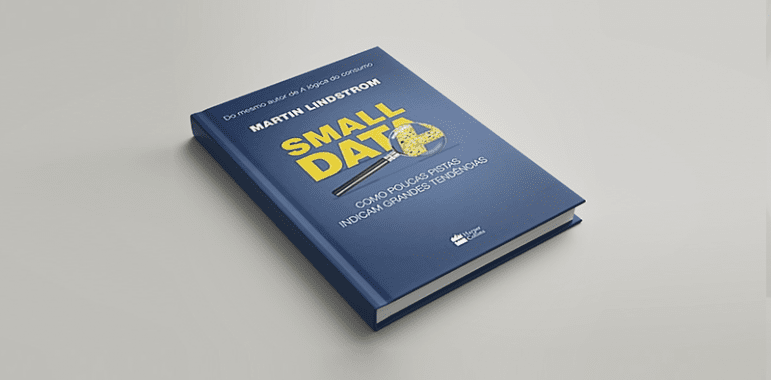
The Tiny Clues That Uncover Huge Trends – A Detailed Summary

This book, authored by global branding consultant Martin Lindstrom, delves into the power of Small Data: seemingly insignificant clues about individual and cultural behavior that can unlock profound insights and drive successful branding and innovation. In our data-driven world, Big Data, while valuable, often misses the subtle, emotional nuances driving consumer desires. Lindstrom advocates for a combined approach, integrating Big Data with Small Data for a more comprehensive understanding of human behavior.
Lindstrom’s Approach: Subtext Research
- Inspiration: Lindstrom’s fascination with observing human behavior stems from a childhood illness that confined him to a hospital room for months. This experience ignited his interest in noticing the smallest details and deciphering their meaning.
- Method:
- Immersion: He travels the world, visiting consumers in their homes and observing them in their natural environments.
- Detailed Observation: He meticulously studies their possessions, habits, routines, and interactions, focusing on anything that appears out of place or exaggerated.
- Online and Offline Clues: He analyzes both physical clues (fridge magnets, toothbrush placement) and digital footprints (social media profiles, search history).
- Global Perspective: He draws connections between seemingly disparate observations across cultures, identifying universal human desires.
- Goal: To identify unmet or unacknowledged desires that can form the basis for new brands, products, or businesses.
Key Themes and Insights
The Power of Small Data:
- Unveiling Desire: Small Data reveals subtle, often unconscious desires that consumers themselves might not be aware of. Big Data can identify correlations, but it often misses the emotional drivers behind those correlations.
- Beyond the Surface: By focusing on seemingly insignificant details, we gain a deeper understanding of people’s motivations and anxieties. These insights can inform product design, marketing strategies, and even social policy.
- Global Connections: Small Data can reveal surprising similarities and connections between seemingly disparate cultures, leading to universally appealing brands and innovations.
The Imbalance Principle:
- Cultural Tensions: Every culture has its own imbalances and exaggerations—too much of something, or too little. These imbalances point to unmet needs and desires.
- Compensatory Behavior: People unconsciously seek to address these imbalances through their actions, choices, and possessions. These compensatory behaviors provide clues to their unfulfilled desires.
- Identifying Opportunities: By identifying these cultural imbalances and understanding the compensatory behaviors they drive, we can create brands and products that address these unmet needs.
The Importance of Transformation:
- Escaping Reality: People crave experiences that transport them from their everyday lives and allow them to “become” someone else, even if temporarily.
- Creating Oases: Brands and products can create these transformative experiences through storytelling, sensory appeal, rituals, and community building.
- Fulfilling Desire: By offering consumers an escape from the mundane and a chance to connect with their aspirations, brands can tap into powerful emotional drivers.
The Twin Self:
- Emotional Age: We all have an inner age—an emotional age that reflects the times we felt most liberated and fulfilled.
- Nostalgia and Desire: This Twin Self often yearns for what it once had or dreamed of having, creating opportunities for brands to connect with these desires.
- Breaking the Frame: People use possessions and rituals to express their individuality and break free from the constraints of their everyday lives.
The 7C Framework:
- Collecting: Gather insights from cultural and local observers, as well as from consumers themselves.
- Clues: Identify distinctive emotional reflections and imbalances in behavior and possessions.
- Connecting: Find similarities and connections between seemingly disparate clues.
- Causation: Determine the emotions evoked by these clues and the desires they point to.
- Correlation: Identify when these behaviors or emotions first appeared, revealing entry points and shifts in identity.
- Compensation: Identify the unmet or unfulfilled desires driving these behaviors.
- Concept: Develop a “big idea” that addresses these desires and offers a compelling compensation.
Examples from the Book:
Mamagazin (Russia):
- Challenge: Launching a successful e-commerce business in a distrustful society with limited online infrastructure.
- Small Data: The profusion of fridge magnets on Siberian refrigerator doors, placed at children’s eye level.
- Insight: Fridge magnets symbolized a desire for escape and aspiration, representing the places Russian mothers wished they could take their children.
- Concept: Mamagazin, a user-friendly e-commerce site built by and for Russian mothers, offering a sense of community and a chance to fulfill their aspirations for their children.
Lowes Foods (USA):
- Challenge: Revitalizing a struggling supermarket chain facing competition from larger retailers and the Internet.
- Small Data: The rounded design of American architecture and the widespread use of politically correct language.
- Insight: Americans craved freedom and individuality but lived in a culture dominated by fear and conformity.
- Concept: Transforming Lowes stores into community hubs that offered a sense of belonging, playful interaction, and permission to embrace their inner child. This included square cakes, in-store “conflict” between chicken and sausage vendors, and a choreographed “Chicken Dance.”
Breakfast Cereal Packaging (India):
- Challenge: Appealing to both mothers-in-law and daughters-in-law, who had conflicting perceptions of “freshness” and color.
- Small Data: The vivid colors of spices in mothers-in-law’s spice boxes, contrasted with the preference for green among younger women.
- Insight: The two generations perceived the world using different senses, requiring distinct color palettes.
- Concept: Packaging that featured bright, spice-inspired colors on the bottom (visible to older women) and natural browns and greens on the top (appealing to younger women).
Jenny Craig Beads:
- Challenge: Improving customer retention in a weight loss program where progress is often slow and setbacks common.
- Small Data: The ritualistic use of beads among moviegoers in the Middle East and the emotional significance of beads for Trollbeads fans.
- Insight: Beads offered a tangible symbol of progress, a sense of belonging, and a connection to memories.
- Concept: Giving Jenny Craig dieters a charm bracelet with beads that represented weight loss milestones, setbacks, and emotional support.
Devassa Beer (Brazil):
- Challenge: Repositioning a mass-market beer brand as a premium, aspirational product.
- Small Data: The Brazilian fascination with Cariocas (residents of Rio de Janeiro) and their perceived effortless coolness.
- Insight: Brazilians craved the Carioca lifestyle, which symbolized freedom, sociability, and beauty.
- Concept: Associating Devassa with the Carioca sensibility through influencer marketing, a signature beer-tasting ritual, and events that promoted transformation and escape.
Tally Weijl Dressing Rooms:
- Challenge: Attracting teenaged girls who were increasingly reliant on online shopping and social media for fashion validation.
- Small Data: The disappearance of oil-based hand creams from girls’ bathrooms and the prevalence of early-morning selfie-sharing rituals.
- Insight: Girls craved instant social validation for their fashion choices and used technology to connect with their peers.
- Concept: Creating “Clicks and Mortar” dressing rooms with Internet-equipped mirrors that allowed girls to connect with their friends on Facebook and receive real-time feedback on their outfits.
Chinese Automobile Design:
- Challenge: Overcoming the perception of “Made in China” automobiles as being inferior in quality to Western brands.
- Small Data: The rapid pace of everyday life in China, the absence of bedspreads, and the way Chinese children played with LEGO cars.
- Insight: The Chinese equated quality with speed and efficiency, and craved transformation zones that offered escape from their fast-paced lives.
- Concept: Designing cars that emphasized speed, power, and masculinity, incorporating elements that appealed to drivers’ Twin Selves and offering a transformative sensory experience.
Bringing Small Data into Your Life:
Lindstrom encourages everyone to become more observant of the small data in their own lives and the lives of those around them:
- Become a Detective: Pay attention to the details, the inconsistencies, the exaggerations. Look for the clues that reveal what people truly desire.
- Question the Familiar: Challenge your assumptions about the world. Step outside your comfort zone and explore unfamiliar cultures.
- Connect the Dots: Draw connections between seemingly unrelated observations. Look for patterns and themes that reveal underlying desires.
- Focus on Emotion: Don’t just collect data, but strive to understand the emotional drivers behind that data. What are people’s hopes, fears, and aspirations?
- Embrace Your Twin Self: Connect with your inner child and the things that once brought you joy and liberation. These insights can inform your choices and creativity.
- Small Mine Your Own Life: Analyze your possessions, habits, and rituals. What do they reveal about who you are and what you desire?
By embracing the power of Small Data, we can gain a deeper understanding of ourselves and the world around us, leading to more fulfilling lives and more successful businesses.




Leave a Reply