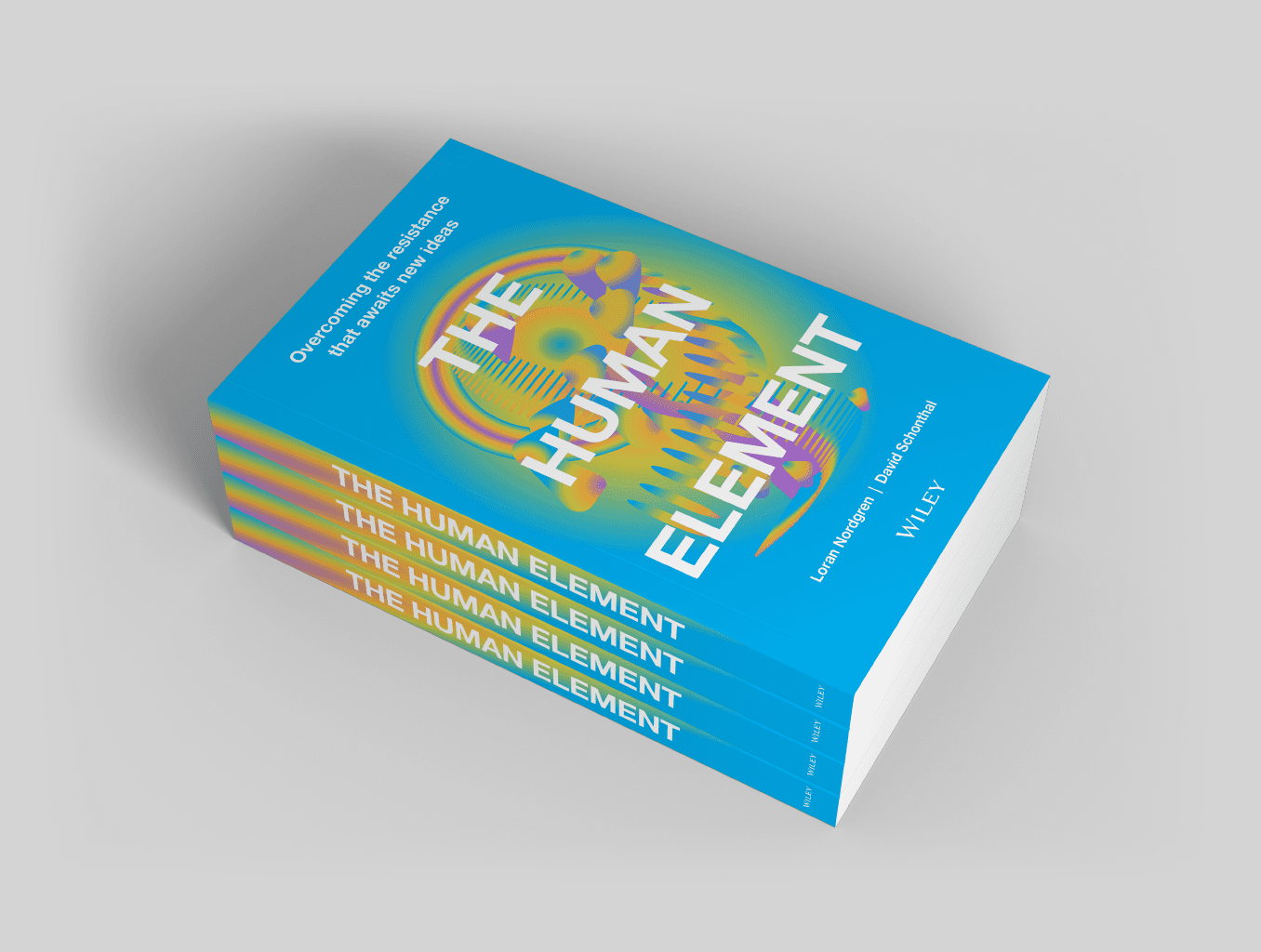
Overcoming the Resistance That Awaits New Ideas

Introduction
Introducing a new idea often faces resistance from those it seeks to benefit. The Human Element identifies and explores four primary Frictions that inhibit consumer adoption of new offers: Inertia, Effort, Emotional Friction, and Reactance.
Inertia
Inertia is the preference for the familiar, leading people to resist change. Overcoming inertia involves:
- Increasing Familiarity: Introduce the idea gradually to allow people to adapt. For example, if you’re introducing a new software program at work, start by offering optional training sessions and providing ample time for employees to explore the program on their own.
- Starting Small: Break down the change into smaller, more manageable steps. For example, if you’re trying to encourage healthier eating habits, start by setting small goals, such as adding one serving of fruit to your daily diet.
- Use Analogies: Compare the new idea to something familiar to make it relatable. For example, if you’re trying to explain the benefits of a new investment strategy, compare it to a more familiar concept, such as saving for retirement.
- Create Multiple Points of Comparison: Surround the new idea with similar options to make it seem more desirable. For example, if you’re trying to convince someone to try a new restaurant, show them a menu with a variety of dishes to choose from, rather than just one or two options.
Effort
Effort refers to the perceived difficulty or exertion required to implement a change. Reducing effort involves:
- Making it Sleek and Aerodynamic: Streamline the change process and remove unnecessary steps. For example, if you’re trying to encourage employees to use a new expense reporting system, make sure the system is easy to use and integrates with their existing workflow.
- Roadmapping: Provide a clear plan and timeline for implementing the change. For example, if you’re launching a new product, create a roadmap that outlines the key milestones and deadlines for the project.
- Create Default Options: Make the desired behavior the default option to reduce conscious effort. For example, if you’re trying to encourage people to recycle, make recycling bins the default option in public spaces.
Emotional Friction
Emotional Friction arises from unintended negative emotions that hinder the adoption of new ideas. Overcoming Emotional Friction involves:
- Spotting the Emotional Friction: Observe users’ emotional responses to identify sources of resistance. For example, if you’re trying to encourage people to use a new public transportation system, pay attention to their concerns about safety, convenience, and cost.
- Understanding Why: Unpack the reasons behind emotional resistance by asking questions. For example, if you’re trying to convince someone to try a new food, ask them about their previous experiences with similar foods and what they liked or disliked about them.
- Removing the Friction: Address the underlying causes of emotional resistance to alleviate it. For example, if you’re trying to encourage people to get vaccinated, address their concerns about safety and side effects by providing accurate information from credible sources.
Reactance
Reactance is the instinct to resist change that threatens autonomy or freedom. Overcoming Reactance involves:
- Avoiding Pressure: Avoid direct orders or mandates that can trigger reactance. For example, if you’re trying to get your team to adopt a new work process, avoid telling them that they must use the new process. Instead, provide them with the information they need to make an informed decision about whether or not to adopt the new process.
- Promoting Self-Persuasion: Help people persuade themselves by asking yes questions and inviting their participation. For example, if you’re trying to convince someone to donate to a charity, ask them if they’re interested in learning more about the charity’s mission and impact.
- Codesigning Solutions: Involve the audience in the design process to foster commitment and ownership. For example, if you’re trying to improve the design of a public park, involve local residents in the planning process to get their input and feedback.
Application Examples
Example 1: Dubai’s Startup Movement
Overcoming Inertia:
- Establishing Free Economic Zones on university campuses streamlined the process of starting a business, making it easier and less time-consuming for students to launch their own ventures.
- A seven-step roadmap provided clear guidance to students navigating the venture formation journey, reducing uncertainty and increasing confidence.
Overcoming Emotional Friction:
- Reducing the stigma associated with business failure encouraged more students to pursue entrepreneurship, as they no longer feared the negative social consequences of failure.
- A thank-you note from a prominent figure, His Highness Sheikh Mohammed bin Rashid Al Maktoum, signaled support for university entrepreneurship, legitimizing the pursuit of entrepreneurial endeavors in the eyes of students and their families.
Example 2: Marijuana Legalization in the United States
Overcoming Inertia:
- Medical marijuana reduced the taboo surrounding marijuana use and made it more familiar to the general public, paving the way for broader acceptance.
- Decriminalization for recreational use further expanded the acceptance of marijuana, as people became more comfortable with the idea of using marijuana without fear of legal consequences.
Overcoming Emotional Friction:
- Medical marijuana addressed concerns about the therapeutic benefits of the drug, as people witnessed firsthand the positive impact it had on patients suffering from various medical conditions.
- Decriminalization reduced the fear of legal consequences associated with marijuana possession, making it less of a deterrent to marijuana use.
Example 3: Flyhomes
Overcoming Effort:
- “Trade Up” program guaranteed a sale of clients’ existing homes, reducing uncertainty and financial pressure for buyers who were concerned about selling their current homes before purchasing a new one.
- Flyhomes handled the preparation and staging of existing homes, minimizing disruption and effort for buyers.
Overcoming Emotional Friction:
- The program addressed sellers’ concerns about the contingency home sale, ensuring a smooth transaction process and reducing anxiety for both buyers and sellers.
- Buyers gained peace of mind knowing they had a guaranteed sale of their existing home before purchasing a new one, eliminating the fear of being stuck with two mortgages.
Conclusion
Understanding and addressing the Four Frictions of Inertia, Effort, Emotional Friction, and Reactance is crucial for successful innovation. By overcoming these obstacles, organizations can increase the likelihood that new ideas and offers are embraced and adopted by their target audience. This can lead to increased sales, improved customer satisfaction, and a more positive reputation for the organization.



Leave a Reply