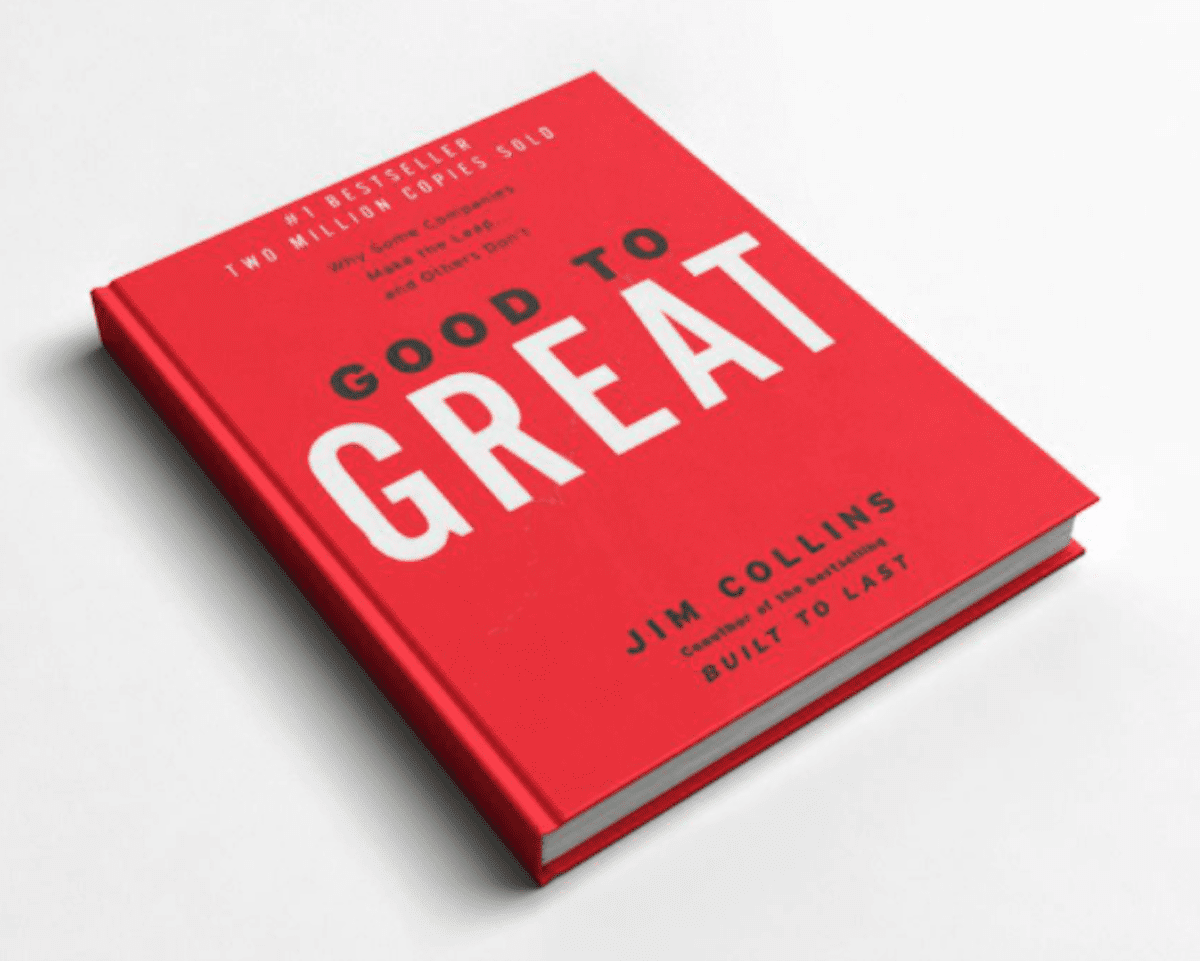

Chapter 1: The Good-to-Great Paradox: Why Some Companies Make the Leap…and Others Don’t
- Transforming Good into Great: This profound transition involves a shift from mediocrity to sustained exceptionalism, a phenomenon that has been the subject of extensive research and analysis. This transformation is not a one-time event, but a gradual process that requires sustained effort and commitment.
- Level 5 Leadership: Extraordinary leaders are not the primary focus of this study; instead, it is Level 5 leaders who possess both professional will and personal humility, demonstrating a unique blend of ambition and modesty. Level 5 leaders are able to inspire others to achieve great things, while remaining grounded and avoiding the pitfalls of ego and arrogance.
- First Who…Then What: Building a great company begins with assembling the right people, as opposed to hiring based solely on specific skills or experience. Great leaders recognize that the right people are those who are passionate about the company’s mission and values, and who are willing to work hard and contribute to the team’s success.
- Disciplined Thought: Great companies foster a culture of rigorous inquiry, questioning assumptions and seeking deep understanding to make informed decisions. This culture of disciplined thought encourages employees to think critically and to challenge the status quo, leading to better decision-making and improved results.
- Disciplined Action: The successful implementation of sound strategies requires unwavering commitment and focus, ensuring that actions are aligned with the company’s core principles. Great companies are able to maintain discipline and focus even in the face of adversity, and they are willing to make tough decisions when necessary.
- The Flywheel Effect: This concept describes the gradual accumulation of effort and momentum that drives sustained improvement, metaphorically likened to the gradual acceleration of a massive flywheel. The flywheel effect is a powerful force that can help companies to overcome obstacles and achieve great things.
Chapter 2: Disciplined People
- Level 5 Leadership in Action: Profiles of iconic Level 5 leaders illustrate their characteristics and impact on organizational success. Level 5 leaders such as Abraham Lincoln, George Washington, and Winston Churchill have demonstrated the ability to inspire others, make tough decisions, and achieve great things.
- Getting the Right People on the Bus: Hiring the right individuals is crucial, and leaders must be willing to make tough decisions to remove those who do not fit the company’s values and goals. Great leaders are able to identify the right people and create a culture where they can thrive.
- Confronting the Brutal Facts: Great leaders acknowledge and address difficult realities, fostering a culture of honesty and transparency. They are not afraid to face the truth, even when it is unpleasant, and they are willing to make tough decisions based on the facts.
- The Stockdale Paradox: Successful leaders embrace the tension between maintaining unwavering faith and confronting harsh truths, navigating uncertainty with resilience. Admiral Jim Stockdale, a prisoner of war during the Vietnam War, demonstrated the ability to maintain hope and optimism even in the face of adversity.
- Building a Culture of Discipline: Establishing clear expectations and holding people accountable creates a structured environment that enables individuals to thrive. Great leaders create a culture where people are held to high standards and are expected to perform at their best.
Chapter 3: Disciplined Thought
- Hedgehog Concept: Identifying a clear and concise understanding of the company’s core competencies and how they align with customer needs is essential. The Hedgehog Concept provides a guiding framework for decision-making and helps to ensure that the company stays focused on its strengths.
- The Council Mechanism: Encouraging diverse perspectives and challenging assumptions fosters innovation and prevents groupthink. Great leaders create a culture where people are encouraged to share their ideas and challenge the status quo.
- Concept over Strategy: A well-defined Hedgehog Concept provides a guiding framework for decision-making, superseding the need for complex strategies. Great leaders are able to distill complex strategies into simple, actionable concepts that can be easily understood and implemented.
- Technology as an Accelerator: Technology should enhance core capabilities, rather than becoming a primary focus. Great companies use technology to improve their operations and customer service, but they do not allow it to become a distraction or a substitute for good management.
- Balancing Short-term and Long-term: Great companies manage the tension between delivering immediate results and investing in long-term growth. Great leaders are able to strike a balance between meeting short-term goals and making long-term investments that will drive future success.
Chapter 4: Disciplined Action
- Building Momentum: Consistently pushing the flywheel in a specific direction leads to gradual improvement and sustained success. Great companies are able to maintain momentum even in the face of adversity, and they are always looking for ways to improve.
- The Doom Loop: Reactive decision-making and a lack of discipline can derail progress and lead to a downward spiral. Great companies avoid the doom loop by maintaining discipline and focus, even in the face of setbacks.
- Preserving the Core and Stimulating Progress: Adapting to change while staying true to the company’s fundamental values is crucial for ongoing success. Great companies are able to adapt to changing circumstances without losing sight of their core values.
- Avoiding the Genius with a Thousand Helpers: Great companies value teamwork and collaboration, eschewing the model of individuals dominating decision-making. Great leaders recognize that the best ideas come from a collective effort, and they are willing to share the spotlight with others.
- A Culture of Candor: Open communication and feedback loops facilitate continuous improvement and foster a culture of trust. Great companies encourage employees to speak up and share their ideas, even if they are critical of the status quo.
Chapter 5: Technology Accelerators
- Technology as a Tool: The effective use of technology as an amplifier of existing strengths is common among great companies. Great companies use technology to improve their operations and customer service, but they do not allow it to become a distraction or a substitute for good management.
- Pioneering Applications: Becoming an early adopter of innovative technologies can provide a competitive advantage. Great companies are not afraid to experiment with new technologies, and they are often the first to adopt new innovations that can help them improve their business.
- Investing in the Long-term: Great companies prioritize research and development, fostering a culture of innovation and continuous learning. Great leaders recognize that investing in the long-term is essential for sustained success, and they are willing to make the necessary investments in research and development.
- Technology and the Culture of Discipline: Great companies maintain a disciplined approach to technology implementation, avoiding excessive investment and hype. Great leaders are able to strike a balance between investing in technology and maintaining financial discipline.
- Adaptive Technology: Technology is seen as a flexible tool that can be adapted to changing circumstances, rather than a rigid solution. Great companies are able to adapt their technology to meet the changing needs of their customers and their business.
Chapter 6: The Leadership Built to Last Factor
- Core Values: Enduring great companies have a deeply ingrained set of core values that guide their decision-making and organizational culture. Core values provide a foundation for the company’s culture and help to ensure that the company stays true to its mission and values, even as it grows and changes.
- Preserving the Progress: Great companies strike a balance between preserving their core values and adapting to a changing world. Great leaders recognize that the company’s core values are essential to its success, but they are also willing to adapt to changing circumstances in order to stay competitive.
- The Genius Factor: Great companies are not necessarily founded by geniuses; rather, they create a culture that fosters innovation and attracts talented individuals. Great leaders recognize that the best ideas come from a collective effort, and they are willing to share the spotlight with others.
- Clock Building, Not Time Telling: Great leaders focus on building a sustainable organization that will continue to thrive beyond their tenure. Great leaders are not interested in short-term gains; they are focused on building a company that will last for generations.
Chapter 7: A Framework for Building an Enduring Great Company
- The Stockdale Paradox Applied: Embracing the tension between confronting the brutal facts and maintaining unwavering faith is essential for building an enduring great company. Great leaders are able to maintain hope and optimism even in the face of adversity, and they are willing to make tough decisions based on the facts.
- The Council Framework: Establishing a diverse group of advisors and confidants provides valuable insights and challenges assumptions. Great leaders surround themselves with a team of trusted advisors who can provide them with different perspectives and challenge their assumptions.
- Preserving the Core and Stimulating Progress: Adapting to changing circumstances while staying true to the company’s core values is crucial for ongoing success. Great leaders are able to strike a balance between preserving the company’s core values and adapting to changing circumstances.
- Clock Building: Creating a culture that focuses on long-term sustainability, rather than short-term gains, is essential. Great leaders are focused on building a company that will last for generations, not just on delivering short-term results.
- Building a Great Company: The journey to becoming a great company is not easy, but it can be achieved by applying the principles outlined in this framework. Great companies are built on a foundation of disciplined people, disciplined thought, and disciplined action.
Conclusion: The Enduring Power of Good-to-Great
- The Transformation Process: The transition from good to great is not a quick fix, but a gradual process that requires sustained effort and commitment. Great companies are not built overnight; they are built over time through a process of disciplined effort and commitment.
- The Importance of Leadership: Great leaders create a culture of discipline, Foster innovation, and inspire others to achieve extraordinary results. Great leaders are essential to the success of any great company.
- The Power of the Flywheel Effect: Building momentum and maintaining focus on the core principles of the company is critical for long-term success. The flywheel effect is a powerful force that can help companies to overcome obstacles and achieve great things.
- The Legacy of Great Companies: Enduring great companies leave a lasting impact on their industries, communities, and the world. Great companies make a difference in the world, and their legacy can last for generations.
- The Challenge of Continuing Greatness: Maintaining greatness requires ongoing discipline and a willingness to adapt to changing circumstances. Great companies must constantly adapt to changing circumstances in order to stay ahead of the competition and maintain their greatness.




Leave a Reply