
Introduction
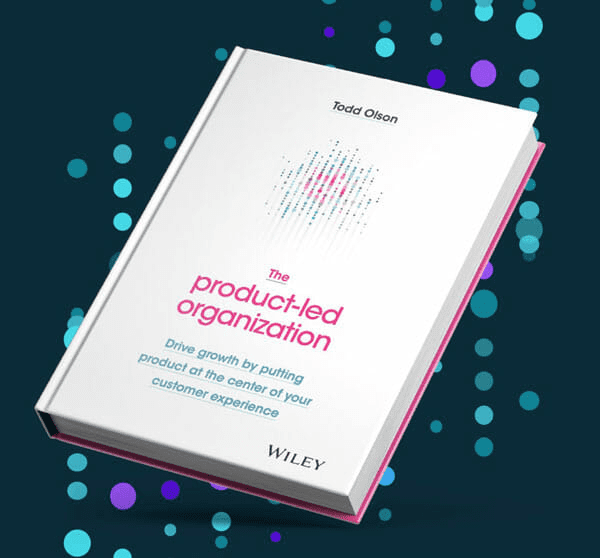
In the digital age, software products have become the primary touchpoint between businesses and their customers. This shift has given rise to a new product development approach known as “product-led”. Product-led organizations prioritize the product itself as the central driver of growth and customer satisfaction. They leverage data, feedback, and experimentation to continuously improve the product experience, ultimately driving exceptional business outcomes.
This comprehensive guide delves into the principles and practices of a product-led approach, providing you with the knowledge and tools to transform your product into a competitive advantage and achieve success in today’s digital landscape.
Section 1: Leveraging Data to Create a Great Product
Chapter 1: Start with the End in Mind
Before embarking on product development, it is essential to define your product’s purpose and strategic goals. This involves identifying the problem your product solves, the target audience, and the desired outcomes. Once you have a clear understanding of the “why” behind your product, you can establish operational goals that support your strategic objectives. These goals should be specific, measurable, achievable, relevant, and time-bound (SMART).
Chapter 2: Product Is the Center of the Customer Experience
The product-led approach places the customer at the heart of product development. To truly understand your customers, it is crucial to map the customer journey, identifying pain points and opportunities for improvement. Empathy maps can be a valuable tool for understanding customer perspectives, motivations, and emotions. Additionally, segmenting customers based on their unique needs and preferences allows you to tailor your product experience accordingly.
Chapter 3: Measuring Feature Adoption
Tracking usage metrics is essential for understanding how customers engage with your product. Key metrics to monitor include daily active users (DAU), monthly active users (MAU), and weekly active users (WAU). By measuring feature adoption, you can identify the most successful features and prioritize further development efforts. A/B testing is a powerful technique for comparing different feature iterations and optimizing outcomes.
Chapter 4: Turning Customer Data into Insights
Usage data and customer feedback are gold mines of information. By leveraging qualitative and quantitative research methods, you can gain insights into customer behavior, satisfaction, and pain points. Qualitative research, such as interviews and focus groups, provides rich, in-depth data. Quantitative research, such as surveys and analytics, provides broader, numerical data. By combining these methods, you can triangulate your findings and gain a comprehensive understanding of your customers.
Chapter 5: Marketing in a Product-Led World
In a product-led world, marketing and product development go hand in hand. In-product experiences, such as onboarding campaigns and feature announcements, can be highly effective in converting users into paying customers. Freemium models, which offer a limited version of the product for free, can generate trial usage and drive conversions. It is essential to align marketing and product teams to ensure a consistent message and strategy.
Section 2: Product Is the Center of the Customer Experience
Chapter 6: Onboarding for Success
A frictionless onboarding experience is crucial for setting new users up for success. Guide users through key actions and educate them on product benefits and features. Leverage onboarding campaigns to deliver targeted messages and personalized experiences. Measure completion rates and identify areas for improvement to optimize the onboarding process.
Chapter 7: Reducing Friction for Improved Outcomes
Friction in the user experience can lead to frustration and churn. Identify and remove friction points by observing user behavior, conducting session replays, and listening to customer feedback. Optimize for user performance and satisfaction. By reducing friction, you can improve the overall product experience and drive customer engagement.
Chapter 8: Customer Success as a Partnership
Customer success is a shared responsibility between product, customer success, and other teams. Establish a close collaboration to ensure that customers are getting the most value from your product. Measure customer health to identify potential issues and opportunities. Empower customers with self-service tools and documentation to enable them to resolve issues and succeed on their own terms.
Chapter 9: Creating Customers for Life
Customer retention is essential for long-term growth and success. Identify leading indicators of customer retention, such as product usage and satisfaction. Implement a health score system to monitor customer engagement and predict churn. Offer cross-selling and up-selling opportunities to expand customer revenue and strengthen relationships.
Section 3: A New Way of Delivering Product
Chapter 10: Planning for Product Innovation
Embrace iterative product development cycles to deliver new features and improvements rapidly. Leverage design thinking to generate innovative ideas and solutions. Collaborate with customers throughout the development process to gather feedback and refine concepts. By adopting an agile and customer-centric approach, you can stay ahead of the curve and deliver products that meet the evolving needs of your users.
Chapter 11: Launching and Measuring Impact
Adopt a gradual rollout strategy to minimize disruption and gather user feedback. Use controlled experiments to measure the impact of new features on customer behavior and business metrics. Track key metrics to assess adoption and success. By launching your product strategically and measuring its impact, you can ensure a successful rollout and drive adoption.
Chapter 12: Feature Depreciation and Retirement
Over time, some features may become outdated or low-value. Identify these features for removal and engage with users to gather feedback and minimize disruption. Gracefully sunset features to maintain a streamlined product experience. By regularly evaluating and retiring features, you can keep your product lean and focused on delivering value to your customers.
Chapter 13: User Feedback as a Guiding Light
User feedback is a critical input for product development. Recruit a diverse panel of users to provide feedback. Use in-app surveys and polls for quick and targeted insights. Establish a central repository for feature requests and customer feedback. By actively listening to and incorporating user feedback, you can build a product that truly meets the needs of your customers.
Chapter 14: Closing the Feedback Loop
Responding to user feedback in a timely and meaningful way is essential for building trust and demonstrating that you value customer input. Track progress on feedback requests and demonstrate accountability. Use feedback to continuously improve the product and customer experience. By closing the feedback loop, you can create a virtuous cycle of improvement and customer satisfaction.
Chapter 15: Building a Data-Driven Roadmap
The product roadmap is a living document that guides product development efforts. Align the roadmap with strategic objectives and customer needs. Prioritize features based on usage data, feedback, and business goals. Communicate the roadmap with stakeholders and build alignment. By adopting a data-driven approach to roadmap planning, you can ensure that your product development efforts are focused on delivering maximum value.
Chapter 16: The Role of Product Operations
Product operations is a critical function in product-led organizations. Define the role of Product Operations in your product team. Leverage Product Operations to bridge the gap between product, engineering, and customer success. Optimize product development and delivery processes. By establishing a strong Product Operations function, you can streamline communication, improve collaboration, and accelerate product development.
Conclusion
Embracing a product-led approach is a journey, not a destination. By continuously measuring, listening, and experimenting, you can stay ahead of the curve and build products that customers love. The principles and practices outlined in this guide will empower you to create a data-informed, customer-centric product that will drive growth, retention, and exceptional business outcomes.
Remember, the product is the center of the customer experience. By putting your customers at the heart of everything you do, you can build a product that is indispensable to their success.




Leave a Reply