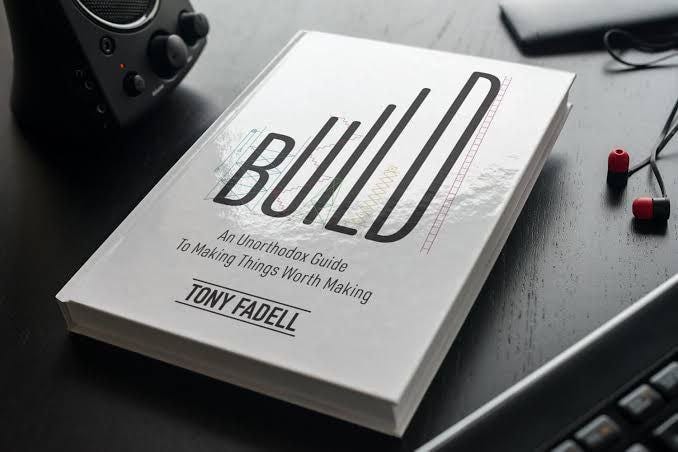

Building the Future: A Summary of Build by Tony Fadell
“Build” by Tony Fadell is a raw, candid guide drawn from the author’s thirty-plus years in Silicon Valley, marked by both monumental failures and world-changing successes like the iPod, iPhone, and Nest. Fadell shares the hard-won lessons learned from his experiences, from failed startups to leading massive teams at Apple and Google, with the explicit purpose of serving as a mentor-in-a-box for anyone seeking to build meaningful products, careers, or businesses. This summary captures every key idea, organized for clarity and readability, to provide readers with actionable insights and a deeper understanding of the building process.
Introduction
The introduction sets the stage, highlighting the loss of mentors and the author’s realization that he now holds the knowledge others seek. It introduces the book as a mentor-in-a-box, offering unorthodox yet old-school advice based on timeless human nature and striving for excellence.
- Core Idea: Experienced mentors are gone, leaving a void in guidance.
- Author’s Purpose: To distill three decades of hard-fought lessons into a practical guide for building.
- Target Audience: Anyone wanting to create something new, chase excellence, and navigate the business world.
- Approach: Unorthodox, old-school advice grounded in human nature, focusing on being a “troublemaker” and striving for excellence.
- Book’s Structure: Designed to be read straight through or explored like an encyclopedia, with interconnected topics.
- Author’s Journey: A brief biographical sketch covering startups, major company roles, successes, failures, and current work as a mentor/investor.
Part I: Build Yourself
This section focuses on the foundational steps of building a successful career by focusing on personal growth, choosing the right environment, learning from others, and understanding how to contribute beyond your immediate tasks. It emphasizes that building a career starts with building yourself.
Chapter 1.1: Adulthood
Adulthood marks a shift from traditional schooling, where failure is penalized, to a real-world environment where failure is the primary means of learning. The chapter encourages embracing mistakes as opportunities for growth and prioritizing learning over immediate financial gain or status.
- Learning Never Ends: Adulthood is a continuous process of learning through trial and error, unlike the pass/fail structure of school.
- Failure as Learning: In the real world, failure provides essential lessons, especially when creating something new.
- Prioritize Learning: When starting out, focus on what you want to learn rather than money, title, or company prestige.
- Embrace Risk: Early adulthood is the prime time to take significant risks, as the consequences are often less severe.
- Productive Struggle: Humans learn best by trying, failing, and adjusting their approach.
- The Only Failure: Inaction is the true failure in your twenties; everything else is part of the learning process.
- My First Failure: General Magic’s implosion taught the author invaluable lessons about product-market fit and leadership.
- Personal Growth: Early career choices should be driven by where you can grow and learn, not just the perceived path to success.
Chapter 1.2: Get a Job
Choosing the right job is critical for long-term success, and the chapter advises seeking out companies poised for significant change rather than just incremental improvements. It outlines characteristics of such revolutionary companies and warns against career paths that offer superficial success without deep learning.
- Seek Revolution: Look for companies aiming to make a substantial change to the status quo, not just improve existing products.
- Revolutionary Company Traits: Creating something wholly new or combining existing tech in novel ways; solving real, widespread pain points for a large market; technological capability to deliver the vision; adaptable leadership; and a fresh perspective on problems.
- Cool Tech Isn’t Enough: Success requires the right technology, a great team, funding, and the right timing – the world must be ready.
- The General Magic Problem: Focusing solely on technology without a clear customer need leads to failure, as seen with the Magic Link compared to the simple, problem-solving Palm PDAs.
- Avoid Management Consulting: While offering high pay and access to executives, it provides a broad but thin understanding of building and running a company.
- Get Your Hands Dirty: To truly learn and make an impact, you must be involved in the actual work and care about the details.
- Follow Your Passion: If you are deeply passionate about a field, even if it seems too early or lacks a clear business model, stick with it and build connections within its community.
- What Matters Most: Who you work with and learn from is the most crucial factor in a job, more than title or initial pay.
Chapter 1.3: Heroes
The chapter emphasizes the importance of seeking out and working with people you deeply respect and admire – your heroes. It highlights that these individuals, often humble despite their accomplishments, are the best source of learning and can significantly shape your career path.
- Seek Out Heroes: Prioritize working with people who are the best in your field and whom you genuinely respect.
- Knowledge is Power: Becoming the most knowledgeable in your field can differentiate you and open doors, even more than being the smartest or brightest.
- Connect with Experts: Use platforms like Twitter, YouTube, and LinkedIn to find experts and engage with them by sharing insights or asking smart questions.
- Persistence Pays Off: Consistently offering something interesting and being helpful can lead to experts noticing and potentially connecting you to opportunities.
- Harry Stebbings Example: Starting a podcast and consistently engaging with top VCs and founders built a valuable network and led to significant opportunities.
- Work with Legends: Learning from those who have made a significant impact provides invaluable experience and perspective.
- Small Company Advantage: Smaller companies often offer closer interaction with talented individuals and more opportunities to learn across different functions.
- Beyond Hero Worship: Building relationships with mentors and heroes should evolve into mutual respect, where you can also contribute and be relied upon.
Chapter 1.4: Don’t (Only) Look Down
While individual contributors must focus on their immediate tasks, the chapter stresses the necessity of occasionally looking beyond daily deadlines to understand the larger project trajectory and the perspectives of other teams. This broader awareness prevents unexpected roadblocks and facilitates personal growth into leadership roles.
- IC’s Focus: Individual contributors typically concentrate on immediate tasks and deadlines.
- Looking Up: Periodically shift focus beyond immediate tasks to understand upcoming milestones, the overall project trajectory, and the ultimate mission.
- Looking Around: Engage with other teams and functions within the company to understand their perspectives, needs, and potential impacts on your work.
- Avoid the Brick Wall: Focusing solely downwards risks missing crucial information or impending problems.
- Think Like a Manager/CEO: Understanding the bigger picture helps prioritize and make better decisions within your immediate role.
- Value of Different Perspectives: Other teams working in parallel have unique views of the project and its challenges.
- Internal Networking: Talking to internal customers, suppliers, and teams closest to the external customer (marketing, support) provides valuable insights and early warnings.
- The “Why” Matters: Understanding the company’s mission ensures your work remains aligned and meaningful.
- Learning and Growing: Looking up and around facilitates understanding how to improve your job and prepares you for leadership roles.
Part II: Build Your Career
This section delves into navigating the complexities of career progression, covering the decision to become a manager, the dynamics of data and opinion in decision-making, dealing with difficult colleagues, and knowing when it’s time to move on. It emphasizes that building a career involves continuous learning and adapting to new challenges.
Chapter 2.1: Just Managing
The decision to become a manager is a significant one, requiring new skills and a fundamental shift in focus from individual contribution to enabling team success. This chapter provides key considerations for aspiring managers, emphasizing that it is a learned discipline centered on communication, support, and fostering team growth.
- Management Isn’t the Only Path: Success and influence can be achieved as an individual contributor; management isn’t the sole route for advancement or higher pay.
- Shift in Focus: Becoming a manager means transitioning from doing the core work yourself to enabling, supporting, and developing others who do that work.
- Management as a Discipline: Effective management is a learned skill requiring continuous education and practice, not an innate talent.
- Exacting vs. Micromanaging: Expecting high-quality output is essential; dictating the step-by-step process is micromanagement.
- Honesty Over Style: Be truthful and direct with your team, regardless of your personal communication style.
- Train Your Successor: Aim to develop individuals on your team who can eventually take over your role, facilitating your own advancement.
- The Police Light: Early management experiences can be challenging and prone to mistakes, highlighting the need for learning.
- Human Responsibility: Management involves being responsible for human beings and their growth, which is a distinct challenge from managing projects.
- Understanding Other Functions: Knowing how different teams operate is crucial for effective management and decision-making.
- Letting Go: Trusting your team to do the work and tempering the fear of losing control is a key challenge for new managers.
- Importance of 1:1s: Regular, structured one-on-one meetings are vital for understanding team members’ progress, concerns, and development.
- Self-Improvement: Management requires significant self-reflection and personal development, potentially involving therapy or coaching.
- Modulating Your Style: Adjusting your personal communication style to be an effective leader does not mean changing who you are.
- Motivation: Understand what motivates your team (extrinsic and intrinsic factors) to effectively share your passion and drive.
- Taking Pride in Team Success: Shift your sense of accomplishment from individual achievements to the collective wins of your team.
- Seed Crystals as Successors: Identify and nurture talented individuals on your team who have the potential to become leaders.
Chapter 2.2: Data Versus Opinion
Critical decisions in building a product or business often fall into two categories: data-driven and opinion-driven. The chapter explains how to identify which type of decision you face and the pitfalls of trying to force data to solve opinion-based problems, emphasizing the role of insights and storytelling in navigating uncertainty.
- Two Decision Types: Decisions are either data-driven (based on facts and numbers) or opinion-driven (based on gut instinct and vision).
- Analysis Paralysis: Relying solely on data for opinion-driven decisions leads to endless analysis without resolution.
- Insights Inform Opinion: When data is insufficient, insights derived from customer research or market understanding guide opinion-driven decisions.
- Listen to Your Gut: Trust your intuition, especially when data is inconclusive, but take responsibility for the outcome.
- Customer Panels Limitations: While providing data, customer panels cannot design products and may offer conflicting feedback, leading to analysis paralysis.
- A/B Testing Limitations: A/B testing is a tool for optimization, not product design, and should be used within a larger product vision.
- Avoiding Assured Choice: For truly new products, there will never be enough data to guarantee success; a decision must be made.
- Explaining Opinion-Driven Decisions: Communicate the rationale, data, and insights behind opinion-based decisions to the team for understanding and respect.
- Managerial Fear: Leaders may avoid opinion-driven decisions to avoid blame if they fail, leading to reliance on endless data collection or consultants.
- Consultants as Delay Tactics: Bringing in external consultants can be a way for leaders to delay making difficult decisions or shift responsibility.
- Identifying Leadership Motivation: Understand why a leader is sitting on an idea (delay, fear, laziness, aversion to conflict) to navigate the situation.
- Storytelling for Opinion: Craft compelling narratives blending facts and emotions to convince others to follow your vision when data is lacking.
- Empathy in Storytelling: Good storytelling requires understanding the audience’s needs, fears, and desires.
- Data and Intuition: The best decisions combine both data and intuition; neither alone is sufficient.
- Taking the Leap: Ultimately, making critical decisions requires taking a step into the unknown based on the best available information and gut feeling.
Chapter 2.3: Assholes
Navigating the workplace inevitably involves encountering difficult individuals. This chapter distinguishes between true assholes, whose motivations are selfish and deceitful, and mission-driven “assholes,” who are difficult but ultimately focused on improving the work. It provides strategies for identifying and dealing with each type.
- True Assholes: Individuals who are selfish, deceitful, or cruel and cannot be trusted, often concentrated in senior leadership positions.
- Political Assholes: Master corporate politics, take credit for others’ work, are risk-averse, and undermine others.
- Controlling Assholes: Micromanagers who stifle creativity, resent others’ ideas, and often steal credit.
- Asshole Assholes: Incompetent, unproductive individuals who lie, gossip, and manipulate to deflect from their lack of value.
- Aggressive vs. Passive-Aggressive: Aggressive assholes are outwardly confrontational; passive-aggressive ones are more insidious and work behind the scenes.
- Mission-Driven “Assholes”: Passionate individuals focused on improving the work, even if they are gruff or difficult to work with; they are trustworthy and listen to reason.
- Distinguishing Motivation: The key difference lies in whether the person is driven by personal ego or the betterment of the work/mission.
- Dealing with Mission-Driven “Assholes”: Ask “why” to understand their perspective and rationale; push back respectfully if you disagree.
- Steve Jobs Example: Steve was a mission-driven “asshole,” focused intensely on the product’s quality above all else.
- Real Assholes Make it Personal: Their motivation is ego, and they harm others for personal gain.
- Strategies for Dealing with Assholes: Kill ’em with kindness, ignore them, try to work around them, or ultimately, quit.
- Gathering Support: If dealing with an asshole is difficult, talk to their peers, HR, or their boss to build a coalition.
- Political Asshole Coalitions: Political assholes often form alliances to gain power and eliminate perceived threats.
- Countering Political Assholes: Gather a team, craft a counternarrative, and back each other up to challenge their lies and schemes.
- Most People Aren’t Assholes: Many difficult interactions stem from people struggling, being new to a role, or having a bad day, not malice.
- Start with Kindness: Always begin by assuming the best intentions and trying to resolve conflict amicably.
Chapter 2.4: I Quit
Knowing when and how to leave a job is a critical skill in career building. This chapter outlines the circumstances under which quitting is necessary, the importance of leaving professionally, and how to leverage networking and self-reflection to find the right next opportunity.
- Stick-to-it-iveness: Perseverance is important, but not at the expense of your passion or well-being.
- Reasons to Quit: Loss of passion for the mission, or trying everything to fix a problematic situation within the company without success.
- Hating Your Job: Staying in a job you hate is not worth the money or status; it drains your time, energy, and joy.
- New Opportunities Emerge: Quitting often opens doors to new and better opportunities, especially if you’ve built a network.
- Networking is Crucial: Continuously building relationships outside your immediate bubble provides insights and potential job leads.
- Avoid Getting Trapped: Don’t become so focused on your current company that you lose touch with external opportunities and the broader industry landscape.
- Networking is Not Transactional: Build genuine connections based on curiosity and shared interests, not just potential future favors.
- Leave Professionally: Finish your commitments, clean up loose ends, and transition your responsibilities to ensure a smooth handover.
- People Remember How You Left: Your departure impacts your reputation and future opportunities.
- Quitting Apple (Three Times): The author’s experiences illustrate that quitting can be necessary for personal growth, protecting the team/product, or preserving sanity.
- Stick to the Mission: If you are passionate about a particular mission, focus on pursuing it through different companies and opportunities if needed.
- Try to Fix Problems First: Before quitting, make a genuine effort to address issues by talking to managers, other teams, HR, and senior leadership.
- Raising Issues Appropriately: Focus on problems impacting the mission, not just personal gain, when escalating concerns.
- Quitting as a Last Resort: Don’t use quitting as a negotiating tactic; it should be the final option after exhausting all other avenues.
- Have a Story: Be able to articulate clear, credible, and factual reasons for leaving and compelling reasons for joining a new company.
- Don’t Jump Ship Prematurely: Fully research and think through new opportunities before leaving your current job to avoid quickly returning.
Part III: Build Your Product
This part delves into the intricacies of creating successful products, emphasizing the importance of designing for the entire customer journey, the power of storytelling, the dynamics of evolution versus disruption, the distinct phases of product development, and the critical role of constraints and rhythm.
Chapter 3.1: Make the Intangible Tangible
Successful product development goes beyond the physical object or software itself. It requires designing and prototyping the entire customer experience, making intangible elements like marketing, installation, and support as tangible as the product to ensure every step of the journey is carefully considered and optimized.
- Beyond the Physical Product: The product is only one small part of the overall customer experience.
- Design the Entire Journey: Prototype every touchpoint of the customer experience, from discovery and consideration to installation, usage, support, and even return.
- Make the Intangible Tangible: Use visual aids, models, sketches, and mock-ups to give weight and reality to intangible aspects of the customer journey.
- Hardware vs. Software: Question whether hardware is truly necessary; if the experience can be delivered with software, it’s often preferable due to lower complexity.
- Focus on Customer Journey: Instead of highlighting hardware specs, emphasize how the product changes the customer’s experience.
- The Nest Thermostat Example: The app, installation, and ongoing interactions were more significant parts of the customer journey than the device itself.
- Prototype Marketing Early: Begin designing marketing materials like packaging long before the product is finalized to refine messaging and value propositions.
- Packaging as a Microcosm: The packaging can encapsulate key marketing messages and brand identity.
- Customer Personas: Create detailed profiles of your target customers to understand their needs and perspectives throughout the journey.
- Identifying Pain Points: Customer feedback and observation reveal areas of friction and frustration in the existing experience.
- The Nest Screwdriver: Adding a small, useful screwdriver to the Nest Thermostat packaging transformed a moment of frustration during installation into a moment of delight.
- Post-Sale Experience: Design for ongoing customer engagement and connection beyond the initial purchase.
- Screwdriver as Marketing Tool: The Nest screwdriver became a symbol of the brand’s thoughtfulness and generated positive word-of-mouth and PR.
- Attention to Detail: Care and attention given to every part of the customer journey are noticed and define the brand.
- Effortless Customer Experience: The goal is to make the customer journey smooth, continuous, and seemingly inevitable.
Chapter 3.2: Why Storytelling
Every product needs a compelling story that explains its purpose and connects with customers on both rational and emotional levels. This story should simplify complex concepts and constantly remind people of the problem being solved (“the why”). The product story drives everything from development to sales and fundraising.
- Product Story Elements: Appeals to both rational and emotional sides, simplifies complex concepts, and focuses on the “why” (the problem being solved).
- “Why” Comes First: Understanding why your product is needed is the most critical starting point for development.
- Beyond Customers: The product story is essential for attracting teams, investors, partners, and press.
- Steve Jobs as Master Storyteller: Steve’s ability to explain the “why” before the “what” was key to the success of products like the iPhone.
- Virus of Doubt: Remind people of existing frustrations to make them receptive to your product’s solution.
- Story Drives Building: The product story should influence and refine the product itself during development.
- Story as Design: The product’s story encompasses its design, features, visuals, customer feedback, and support interactions.
- Finding the “Why”: Understand the core problem your product solves and the real issues customers face.
- Marketing and Storytelling: Good marketing is about finding the best way to tell the true story of your product.
- Competition for Mind Share: Compelling storytelling is crucial for capturing attention in a crowded market.
- Empathy in Storytelling: Understanding your audience’s needs and connecting with their emotions is key to crafting a compelling story.
- Analogies Simplify: Analogies help customers quickly grasp complex concepts and explain them to others.
- “1,000 Songs in Your Pocket”: A powerful analogy that made the intangible concept of a vast digital music library tangible and shareable.
- “Rush Hour Rewards”: A simple analogy to explain a complex energy-saving feature of the Nest Thermostat.
- Quick Stories are Effective: Easily memorable and repeatable stories are best for generating word-of-mouth.
- Stories that Stick: Aim to tell a story so compelling that it becomes owned and shared by your customers.
Chapter 3.3: Evolution Versus Disruption Versus Execution
The chapter explores the different approaches to product development: small, incremental improvements (evolution) versus fundamental changes that alter the status quo (disruption). It stresses that while disruption is vital for initial impact, excellent execution is necessary for sustained success, and companies must continually disrupt themselves to avoid stagnation.
- Evolution: Small, incremental improvements to make something better.
- Disruption: A fundamental change that alters the status quo, often through a novel approach.
- Execution: Successfully delivering on promises and building the product well.
- V1 Should Be Disruptive: The first version of a new product should aim to change something significant.
- Disruption Alone Isn’t Enough: Excellent execution is crucial for a disruptive product to succeed.
- Choose Your Battles: Don’t try to disrupt too many things at once; focus on key areas.
- Initial Dismissal: Entrenched industries will likely initially dismiss disruptive products or companies as playthings.
- Stages of Grief: Competitors go through denial and anger when faced with disruption, often leading to defensive tactics like lawsuits.
- Lawsuits as Validation: Being sued by a competitor can be a sign that your disruptive product is a real threat.
- Don’t Overshoot: Avoid disrupting too many things too quickly, making the product unrecognizable or impractical.
- Amazon Fire Phone Example: Trying to disrupt too much at once with a single product can lead to failure.
- Three Reasons Disruptions Fail: Lack of focus on the whole experience, failure to execute on the core disruptive technology, or changing too many things too quickly.
- Phased Disruption: Introduce disruptive elements gradually to allow customers time to adapt.
- V2 as Evolution: The second version typically refines the initial disruption based on real-world data and customer feedback.
- Underpromise and Overdeliver: Consistently exceeding customer expectations builds a reputation for excellence.
- Relentless Evolution: Continuously improving the product keeps competitors at bay and encourages customers to upgrade.
- Disrupting Yourself: Companies must proactively introduce new disruptions, even if it means cannibalizing their existing successful products, to avoid stagnation.
- Avoiding Calcification: Companies that become too focused on preserving their initial success risk being overtaken by more agile competitors.
- Microsoft’s Rebirth: Shifting from a sales-driven Windows culture to a product-driven approach led to innovation in other areas.
- Beyond Product Disruption: Revolution can occur in areas like sales channels, manufacturing, business models, or marketing.
- Nest’s Channel Disruption: Inventing the “Connected Home” aisle in retail stores to reach customers directly was necessary to sell thermostats.
- One Disruption Fuels Another: Successful disruptions can create opportunities for further innovation in related areas.
Chapter 3.4: Your First Adventure—and Your Second
Launching the first version of a product is like a first adventure: uncertain, tentative, and driven by vision and insights due to limited data. Subsequent versions are like a second adventure: more confident, data-informed, and focused on refinement. The chapter outlines the changing priorities for decision-making and team dynamics across these distinct phases.
- V1 as a First Adventure: Launching a new product is akin to a first mountain expedition – uncertain and reliant on best guesses.
- V1 Decision Tools: Vision, customer insights, and limited data guide decisions in the initial phase, prioritized in that order.
- Vision is Paramount in V1: Before real-world data, a strong vision defines the product and its purpose.
- Customer Insights in V1: Understanding potential customer needs informs the initial product design, even without sales data.
- Limited Data in V1: Objective information exists but is not definitive enough to make all decisions.
- V2 as a Second Adventure: Iterating on an existing product with customer feedback and data provides more certainty.
- V2 Decision Tools: Data, customer insights, and the original vision prioritize decisions in the second phase.
- Data Guides V2: Real-world usage data and testing provide concrete information for refinement.
- Customer Insights in V2: Feedback from paying customers offers reliable direction for improvements.
- Vision in V2: The original vision remains a guide but takes a back seat to data and real-world insights.
- V1 Team: New players feeling each other out, building trust, and establishing processes.
- V2 Team: More experienced teammates, established processes, and greater confidence to take bigger risks.
- iPhone V1 Development: Involved multiple iterations and hard deadlines due to technological uncertainty and design challenges.
- Click Wheel Debate: Disagreements arose over removing the iconic click wheel for the iPhone, highlighting the tension between familiarity and new design.
- Touchscreen Keyboard Challenge: Building a functional touchscreen keyboard required extensive iteration and testing due to technological limitations at the time.
- Steve Jobs’s Vision for iPhone: A large touchscreen and no hardware keyboard for a broader consumer audience.
- iPod V1 Purpose: Originally intended to boost Macintosh computer sales, leading to the initial decision to only work with Macs.
- iPod V2 Decision: Data showing limited Mac market share led to the difficult decision to make the iPod compatible with PCs.
- Power of Data in V2: Real-world sales data proved the necessity of PC compatibility for the iPod’s success.
- Learning from Failure: If V1 fails, honest analysis and gathering data are crucial for a potential V2.
- Knowing When to Ship: Using a press release as a tool to define and prioritize the core features of V1.
- Press Release as a Focus Tool: Articulating the newsworthy aspects of the product helps clarify the core vision and determine readiness for launch.
Chapter 3.5: Heartbeats and Handcuffs
Constraints, particularly time constraints, are essential for driving creativity and ensuring forward progress in product development. Establishing internal and external deadlines, or “heartbeats,” provides a rhythm that keeps teams focused and aligned, preventing endless iteration and analysis paralysis.
- Time as a Constraint: Hard deadlines force teams to make decisions and execute, preventing endless iteration.
- Handcuffing Yourself to a Deadline: Create immovable external deadlines (like holidays or conferences) to drive execution.
- Internal Heartbeats: Establish regular internal deadlines (team and project level) to maintain rhythm and synchronization.
- Team Heartbeats: Individual teams set their own rhythms for deliverables.
- Project Heartbeats: Moments when different teams synchronize to ensure overall product progress.
- General Magic’s Lack of Heartbeat: Endless delays due to a lack of firm deadlines hampered the Magic Link’s launch.
- Initial iPhone Heartbeat: Short, hard deadlines for initial prototypes forced quick decision-making and pivots.
- Small Team for Concepting: Keeping the team small in the early concept stage allows for faster iteration and reduces overhead.
- Avoid Giant Budgets Early On: Excess money can lead to overdesign and longer schedules, slowing down the heartbeat.
- Ideal Shipping Timeframe: Most new products should aim to ship within 9-24 months, with the sweet spot being 9-18 months.
- Formalizing Rhythm: Internal heartbeats need to be clearly defined (sprints, reviews, etc.) so the team knows what’s expected.
- Philips Schedule Struggle: Attempting overly detailed, long-term schedules (half-day increments) led to inefficiency and scheduling becoming the work.
- Inter-Team Synchronization: Regularly scheduled project heartbeats are necessary to ensure different teams (engineering, marketing, sales) remain aligned.
- External Heartbeats Drive Internal: Once the product launches, external announcements and market pressures often dictate internal rhythms.
- Digital Product Heartbeat: While capable of constant updates, digital products benefit from a slower, more predictable rhythm for customers.
- Optimal Announcement Rhythm: Aim for 2-4 public announcements (new products, features, updates) per year to maintain customer engagement without causing confusion.
- Apple’s Shifting Heartbeat: Apple moved from a January MacWorld-driven heartbeat to a more diversified schedule to control their own pace and improve work/life balance.
- Processor Constraints: Reliance on external suppliers (like Intel) for key components can dictate product heartbeats.
- Predictability Benefits: A predictable rhythm helps teams prioritize, plan, and codify product development processes.
- V1 Delays Are Common: Breakpoints in the rhythm are more likely during V1 development due to unknown unknowns.
Chapter 3.6: Three Generations
Achieving significant success and profitability with a disruptive product typically requires at least three generations of development. This multi-generational process involves finding product-market fit, refining the product based on customer feedback, and finally optimizing the business model for sustainable profit.
- Three Generations to Get it Right: Disruptive products typically need at least three versions to achieve profitability and widespread adoption.
- Time for Success: “Overnight successes” often take six to ten years of iteration and learning.
- Stages of Profitability: Not remotely profitable (V1), making unit economics/gross margins (V2), and making business economics/net margins (V3).
- Learning Takes Time: Both the company and the customers need time to learn and adapt to a new product.
- Crossing the Chasm: Moving beyond early adopters to reach the early and late majority of customers requires product refinement and market education.
- Customer Adoption Curve: Illustrates the different segments of customers and when they are likely to adopt a new product.
- V1 Focus: Innovators and early adopters are the target, and the focus is on proving market potential.
- V2 Focus: The early majority becomes the target, with emphasis on fixing V1 issues and improving the customer journey.
- V3 Focus: The late majority and laggards are targeted, and the focus shifts to optimizing the business model for profitability.
- Outsourcing vs. In-House: Shift from outsourcing many functions in V1 to building more expertise in-house by V3.
- COGS and CAC: Companies building with atoms focus on reducing Cost of Goods Sold; those with electrons focus on reducing Customer Acquisition Costs.
- Profitability Timeline: Achieving profitability often takes longer than expected, and V1 is typically not profitable.
- Internet Business Models: While some companies scale user base first and figure out revenue later, this relies on significant capital and is not guaranteed.
- Scooter/Bike Share Example: Rapid scaling without a profitable business model led to failures in the first generation.
- Laser Focus: Concentrating on a few key differentiating elements is often more effective than a broad approach.
- Tesla’s Early Focus: Initially prioritized key car features over immediate customer support, relying on early adopters’ tolerance for issues.
- Early Adopter Mindset: Early adopters understand that V1 products will have flaws and are willing to tolerate them for the novelty.
- Avoiding Analysis Paralysis in V2: Data and customer insights provide clarity, reducing the need for endless opinion-driven decisions.
- Nest Thermostat Generations: Each generation brought improvements in the product, business model, and distribution channels.
- Disrupting Distribution Channels: Nest had to create a new market by selling directly to homeowners and inventing the “Connected Home” aisle in retail stores.
- Second Product Development: Starting a new product, even within an established company, often requires going through the generational development cycle again.
- The Business is Built in V3: Optimization of customer support, sales channels, partnerships, and pricing occurs in the later generations.
Part IV: Build Your Business
This section focuses on the challenges and strategies involved in building a successful business from an idea. It covers spotting great ideas, determining readiness to start a company, navigating the world of investment and fundraising, defining your target customer, and managing the intense demands on your time and well-being.
Chapter 4.1: How to Spot a Great Idea
Great ideas solve real problems for a large number of people and are compelling enough to persistently occupy your thoughts. Identifying such ideas requires research, experimentation, and a process of “delayed intuition” to ensure the idea is truly worth the significant commitment of starting a company.
- Elements of a Great Idea: Solves for “why,” addresses a widespread problem, and consistently occupies your thoughts (it “chases” you).
- Painkillers, Not Vitamins: Great ideas address constant irritations or problems people experience daily.
- Experience Your Own Pain: Often, the best ideas stem from solving problems you face in your own life.
- Delayed Intuition: Resist the urge to immediately act on an idea; take time to research, prototype, and gather information.
- The Chasing Process: Ideas progress from initial excitement to researching obstacles, sketching solutions, overcoming challenges, and finally gaining momentum.
- Thermostat Example: The author’s personal frustration with thermostats fueled the idea for Nest and chased him for a decade.
- Prototype and Research: Spend months researching and prototyping an idea before fully committing to starting a company.
- Avoid “Fail Fast” Mentality: Building first and figuring it out later is often less effective than thorough preparation and planning.
- Technological Timing: New technologies can make previously impossible ideas feasible, as seen with the components needed for a smart thermostat.
- Recognizing Obstacles: Identify the potential pitfalls and challenges early on to assess the idea’s viability.
- Momentum from Overcoming Barriers: Solving challenges builds confidence and reinforces the idea’s potential.
- Opinion-Driven Commitment: Even with research, the decision to start is often based on gut instinct when faced with unknowns.
- Listing Risks for Investors: Honestly outlining potential problems and mitigation strategies builds investor confidence.
- Risks as Rallying Cries: Embracing challenges as opportunities for innovation sets the company apart.
- Iteration Speeds Up: Once an idea is proven (V1), iterating on subsequent versions is faster and less uncertain.
- V1 is Terrifying: Starting the first version of a completely new idea is always full of uncertainty and fear.
- Identifying the “Why” is Key: The core purpose of the product is essential for understanding its potential and target market.
- Learning from Failed Ideas: Not every idea is great; recognizing when an idea is a distraction is crucial for moving forward.
Chapter 4.2: Are You Ready?
Starting a company is a demanding undertaking that requires a unique blend of experience, mentorship, and a strong team. The chapter emphasizes that readiness isn’t solely about having a brilliant idea but also about possessing the practical knowledge of how businesses operate, the ability to build and lead a team, and the willingness to embrace the inherent challenges.
- Experience is Key: Most successful entrepreneurs gain experience by working at both startups and large companies before starting their own.
- Trial by Fire: Learning by doing, failing, and bouncing back from setbacks is a crucial part of entrepreneurial development.
- Understand Business Fundamentals: Gain working knowledge of various disciplines (sales, marketing, HR, finance, legal, operations) to know who to hire and when.
- Money Burns Fast: Without foundational business knowledge, you risk wasting resources and slowing progress.
- Mentorship is Essential: Find experienced, operational mentors who can provide guidance and support through the challenges of starting a company.
- Find a Co-Founder: A partner helps share the immense workload and emotional burden of starting a company.
- Beware of Too Many Co-Founders: Decision-making by committee with more than two founders often leads to delays and conflicts.
- One CEO: While sharing the load, there can only be one ultimate leader responsible for decisions.
- Build Your Founding Team: Identify and recruit a core group of skilled and passionate individuals who believe in the mission.
- Seed Crystals: Hire highly talented and well-connected individuals who can attract other great people to the company.
- Incentivize Early Employees: Offer competitive compensation, including generous equity, to ensure early team members are invested in the company’s success.
- Startups Within Big Companies: Only pursue this option if the large company offers unique, essential resources and provides the necessary air cover and incentives for success.
- Avoid Corporate Shortcuts: Starting within a big company isn’t easier and can lead to innovative projects failing due to internal antibodies and lack of support.
- Pierre Omidyar Example: Leaving a big company to pursue a rejected idea (eBay) led to massive success, highlighting the need to go it alone if necessary.
- Corporate World vs. Startup: Individuals from large corporate environments may be unprepared for the demands and decision-making speed of a startup.
- Push for Greatness: Starting anything new requires a relentless drive for excellence and the willingness to make hard decisions.
- Trust Your Gut: While preparation is key, ultimately, the decision to start is an act of faith in your idea and abilities.
Chapter 4.3: Marrying for Money
Raising capital is akin to entering a marriage, requiring careful consideration of compatibility, trust, and aligned goals between founders and investors. The chapter outlines the dynamics of the investment world, different types of investors, warning signs to look for, and strategies for navigating the fundraising process successfully.
- Raising Capital as a Marriage: It’s a long-term commitment based on trust, mutual respect, and shared goals.
- Relationships Drive VC: The success of venture capital is fueled by human relationships between founders and partners at firms.
- Be Prepared for Scrutiny: The fundraising process involves intense examination and potential rejection.
- Investment is Cyclical: The funding environment shifts between founder-friendly (more capital, better terms) and investor-friendly (less capital, tougher terms) periods.
- Assess Your Need for Funding: Determine if your business truly requires outside capital at this stage and what the money will be used for.
- Not Every Business Needs VC: Venture capital is not suitable for all companies, particularly those not on a rapid growth trajectory.
- VCs Are Risk-Averse (Often): Many large VCs prefer to invest in companies with proven traction and clear growth potential.
- Diverse Funding Options: Explore various sources beyond large VCs, including smaller niche funds, angel investors, and corporate investment arms.
- Focus on the Partner: The relationship with the specific partner at a VC firm is crucial, as they will be on your board and represent the firm.
- Warning Signs in VC Behavior: Be wary of partners who play games, force rushed decisions, demand outsized equity, or seem uninterested in the business itself.
- Firing CEOs: While some VCs are known for this, it’s often a last resort and not necessarily a red flag if done infrequently for valid reasons.
- Warm Introductions Help: Getting introduced through someone known and respected increases your chances of getting a meeting with a VC.
- Tell a Compelling Story: Focus on the “why” and craft a narrative that resonates with investors, even if they aren’t technical.
- Pitching is an Art: Practice and refine your pitch deck to effectively communicate your vision and business plan.
- Pitch Friendly VCs First: Start with investors who are likely to provide feedback and potentially consider you again later.
- Know the Next Step: Actively ask VCs about their process and what is needed to move forward after each meeting.
- Timeframe for Fundraising: Expect the fundraising process to take 3-5 months and start before you desperately need the money.
- Be Transparent About Risks: Honestly present the challenges and your plans to mitigate them to build credibility.
- Valuation is Earned: Understand that valuation increases are based on hitting milestones, not just perceived potential.
- Investor References: VCs will conduct due diligence by talking to your customers and others who have worked with you.
- Balancing Investors: Aim to have two similarly influential investors to balance each other out and prevent one from dominating.
- Angel Investors: Often more willing to take risks and provide leeway, but the guilt of potentially losing their money can be a burden.
- Don’t Take Money from Family/Friends Lightly: While supportive, losing their money can be emotionally painful and strain relationships.
- Fundraising is Hard: There are no shortcuts; it requires preparation, persistence, and navigating complex human dynamics.
- Choose the Right People: Successful fundraising involves finding investors who genuinely believe in your mission and will be supportive partners.
Chapter 4.4: You Can Only Have One Customer
The chapter asserts that despite various business models and customer segments, a company can only truly focus on and serve one primary customer. This singular focus is fundamental to defining the product, culture, and overall strategy, and losing sight of this core customer can lead to detrimental decisions and a decline in the business.
- One Master: Regardless of business model (B2B, B2C, B2B2C, etc.), a company can only have one primary customer.
- Customer as Foundation: Understanding your core customer’s needs, wants, and pain points shapes every aspect of your business.
- Losing Focus is Detrimental: Shifting attention away from the main customer is often the beginning of the end for a business.
- Apple’s B2B Failure: Attempting to build servers for enterprise customers failed because B2B wasn’t in Apple’s core DNA.
- Different Customers, Different Journeys: You cannot effectively design a single product or experience for two fundamentally different customer types.
- Exceptions to the Rule: A small number of businesses (hotels, airlines, retailers, banks) can cater to both B2B and B2C.
- B2C Marketing Dominance: Even when serving both segments, marketing for the end consumer is often more effective.
- Appealing to Humans in B2B: Even in B2B, appealing to the human beings within the company is crucial for sales.
- Apple’s Enterprise Success (Indirect): Apple’s success in the enterprise stemmed from individuals wanting to use consumer products (iPhones) at work.
- B2B Demands Influenced App Store: Corporations wanting apps for their employees drove the creation of the App Store.
- B2B2C Customer Focus: In B2B2C models, the end consumer ultimately carries the business model.
- DICE Example: A B2B2C company that had to choose between fans, venues, and artists as its primary customer.
- “Our Only Customer Is The Fan”: DICE’s decision to prioritize the end consumer streamlined their focus and strategy.
- Profitability from Data Sales: Companies transitioning to B2B from B2C often do so by selling customer data, which can lead to prioritizing business needs over consumer privacy.
- Dark Alleys of Data Prioritization: Focusing on selling customer data can lead companies down ethically questionable paths that harm consumers.
- Customer as a Dollar Sign: In transaction-driven cultures, customers can become seen as numbers rather than individuals with relationships.
- Know Who You’re Building For: Never lose sight of the single customer whose needs and desires should drive your business.
- Choose Wisely: The decision of who your primary customer will be is fundamental and should be made with careful consideration.
Chapter 4.5: Killing Yourself for Work
Achieving true work/life balance is often unrealistic, especially when building a company or leading a high-pressure project. The chapter advocates for finding “personal balance” within a demanding work schedule by prioritizing well-being, structuring your time for breaks, and developing systems to manage tasks and thoughts effectively.
- True Work/Life Balance is Mythical: It’s often impossible to have perfect balance during demanding periods like starting a company.
- Personal Balance: Finding ways to incorporate well-being (eating, exercise, sleep, breaks) within a busy work schedule.
- Work Occupies Your Thoughts: It’s natural for work to be constantly on your mind, especially when a lot is on the line.
- Unstructured Thinking: Allowing your mind to wander creatively can lead to new solutions.
- Steve Jobs’s Vacation Style: Steve worked intensely on vacation, suggesting it was a time for focused, uninterrupted thinking.
- Crisis Requires Management: High-pressure situations demand systems to manage tasks, thoughts, and emotions effectively.
- Prioritization System: Develop a method (like writing down tasks and questions) to organize your thoughts and focus on what’s critical.
- Writing by Hand: The act of writing can help process information and prevent distractions.
- Regular Review and Reprioritization: Dedicate time each week to review tasks, reprioritize, and identify areas of overload.
- Communicate Priorities: Share your priorities and expectations with your team to ensure alignment and accountability.
- Accountability: Holding yourself and your team accountable for commitments is crucial for progress.
- The List Method: Using a written list of milestones, tasks, and ideas helps manage complex projects and maintain focus.
- Benefits of the List Method: Keeps you calm, focused, and transparent with your team about priorities.
- Taking Real Breaks: Schedule time for activities that allow you to step away from work and recharge your brain and body.
- Vacations Build Team Capability: Giving team members responsibility during your absence helps them grow and prepares them for future leadership roles.
- Sleep is Essential: Prioritize getting enough sleep to maintain physical and mental well-being.
- Engineer Your Schedule: Intentionally block out time for breaks, exercise, and other activities that contribute to personal balance.
- Don’t Be Afraid of an Assistant: If you’re overwhelmed with administrative tasks, an assistant can free up your time for more critical responsibilities.
- Assistant as a Partner: A good assistant anticipates needs, solves problems, and becomes an invaluable resource.
- Recognize Breaking Points: Identify moments when you are overwhelmed and need to step away to regain clarity.
- Learn from Crisis: Difficult situations are learning experiences that can lead to improved processes and team dynamics.
- Find Your Own System: The specific methods for managing work and achieving personal balance will vary for each individual.
Chapter 4.6: Crisis
Crises are an inevitable part of building anything significant. The chapter provides a playbook for navigating these challenging moments, emphasizing the importance of focusing on solutions, clear communication, seeking advice, accepting responsibility, and using the experience to strengthen the team and the company culture.
- Crises are Inevitable: Building disruptive products or businesses will eventually lead to unexpected disasters.
- Focus on Fixing, Not Blaming: In a crisis, prioritize finding solutions over identifying who is at fault.
- Leadership in Crisis: Step into a command-and-control role initially, providing clear direction and support.
- Delegate, Then Step Back: After providing initial direction, trust your team to execute solutions without micromanagement.
- Seek Advice: Don’t try to solve problems alone; consult mentors, investors, the board, and others with relevant experience.
- Constant Communication: Overcommunicate with your team, company, stakeholders, and potentially customers/press to manage expectations and provide reassurance.
- Listen During Crisis: Pay attention to team members’ concerns and issues bubbling up from the front lines.
- Accept Responsibility: Regardless of the cause, take ownership of the crisis’s impact on customers and apologize if necessary.
- Wave to Hush Incident: A flaw discovered in the Nest Protect smoke alarm highlighted the need for a crisis playbook and thorough investigation.
- Parallel-Pathing Solutions: Simultaneously explore multiple potential solutions to a crisis, even if some seem unlikely.
- Managing Team Stress: Be aware of the physical and mental toll on your team and ensure they take breaks and prioritize well-being.
- Micromanagement in Crisis: Temporarily adopting a micromanagement style is necessary to ensure critical tasks are completed quickly and accurately.
- Post-Crisis Analysis: After the immediate crisis is resolved, analyze the root cause and implement changes to prevent recurrence.
- Honesty with Customers: Being transparent about the crisis builds trust, even if it involves admitting mistakes.
- Avoiding Obfuscation: Trying to hide or downplay a crisis will damage reputation and erode trust.
- Learning from Failure: Every crisis is a learning opportunity, and a major one is a “PhD program” in problem-solving.
- Team Cohesion: Overcoming a crisis together can significantly strengthen team bonds and resilience.
- Corporate Tool: The story of overcoming a crisis becomes part of the company’s DNA, serving as a reminder of its strength and lessons learned.
- Finding the “Why”: Analyze the root cause of the crisis to understand why it happened and how to prevent future issues.
- The Terrible, Unsolvable Crisis: Some seemingly unique crises are common growth pains with established solutions that experienced mentors can help identify.
- Pressure-Release Valve: Having channels for concerns to reach leadership is crucial for identifying and addressing issues early.
- Navigating Chaos: Even in the midst of disaster, maintain focus, seek advice, and create a plan to move forward.
Part V: Build Your Team
Building a strong, effective team is arguably the most crucial aspect of building a successful company. This section provides insights into hiring the right people, managing team growth and breakpoints, fostering a positive culture, and understanding the unique roles of different functions like design, marketing, product management, sales, and legal.
Chapter 5.1: Hiring
Building a near-perfect team involves hiring smart, passionate, and diverse individuals who complement each other. The chapter outlines strategies for attracting talent, designing a thoughtful hiring process, integrating new employees, and managing performance, including the difficult process of firing when necessary.
- Near-Perfect Team: Composed of smart, passionate, imperfect people who complement each other.
- Multigenerational Teams: A mix of experienced individuals and eager new grads/interns benefits the company by combining wisdom with fresh perspectives.
- Internship Programs: Investing time in training young people is an investment in the company’s long-term health and a pipeline for future talent.
- Battle for Talent: Hiring is challenging and requires tapping into diverse talent pools.
- Diversity Improves Business: Different backgrounds and perspectives enhance understanding of customers and create opportunities.
- Hiring Process is Crucial: A defined process ensures candidates are evaluated thoroughly by those they will work with directly.
- Avoid Old and New School Hiring: Traditional (manager-centric) and overly distributed (random employee involvement) methods are often ineffective.
- The Right People: Candidates should be mission-driven, adaptable, passionate about the customer, and not “assholes.”
- “No Assholes” Policy: A simple rule to avoid hiring toxic individuals, even if they are otherwise qualified.
- Interviewing Strategies: Go beyond surface-level questions to understand a candidate’s motivations, problem-solving skills, and cultural fit.
- Simulate Work: Collaborate with candidates on a problem to observe their thinking process and collaboration style.
- Hiring for Potential: Look for individuals with the innate tools to grow into future roles and challenges.
- Integrate New Employees: Immerse new hires in the culture and processes to ensure smooth integration and prevent dilution of existing culture.
- Positive Micromanagement (Initially): Provide detailed guidance and support to new employees during their first month or two.
- Brown-Bag Lunches with the CEO: Informal gatherings help new hires feel connected and provide a direct line to leadership.
- Cultural Inoculation: Regularly reinforcing company culture through interactions and events helps integrate new employees.
- Managing Performance: Identify challenge areas early, provide coaching, and offer opportunities for improvement.
- Firing is Necessary (Sometimes): Be prepared to fire individuals who are not successful, providing warning and support to find better opportunities.
- Firing is Not a Surprise: Performance issues should be discussed openly and regularly before the decision to terminate.
- Helping People Find New Jobs: Supporting departing employees in finding suitable roles is a positive way to end the relationship.
- Hiring Assholes is Detrimental: Toxic individuals can damage teams and company culture at any stage of growth.
- Recognizing “Just Okay” Hires: Not every hire will be an A+; acknowledging and supporting competent but not exceptional individuals is also part of growth.
- Different Types of Rock Stars: Value dependable, flexible, and kind team members who contribute to the culture and support others.
- Prioritize HR and Hiring: Make discussions about team health, hiring goals, and performance reviews the first agenda item in management meetings.
- People First: Demonstrating that your team’s well-being and growth are the top priority fosters a positive and fulfilling work environment.
Chapter 5.2: Breakpoints
Company growth inevitably leads to “breakpoints” where existing organizational structures, communication styles, and management layers become insufficient. The chapter emphasizes anticipating and preparing for these transitions, particularly as team size increases, to prevent cultural decline, communication breakdowns, and loss of key employees.
- Growth Breaks Companies: Rapid expansion requires changes in organizational design and communication to keep pace.
- Breakpoints and Management Layers: Adding new layers of management is often the trigger for breakpoints, leading to communication issues and slowdowns.
- Effective Management Span: The maximum number of direct reports a manager can effectively handle decreases as the company grows.
- Preemptive Changes: Implement management changes and communication systems before reaching a breakpoint to avoid mass employee departures.
- Team Size Tiers: Distinct challenges and organizational needs arise as teams grow beyond 15-16, 40-50, 120-140, and 350-400 people.
- Up to 15-16 People: Flat organization, informal communication, collective decision-making.
- Up to 40-50 People: Sub-teams form, a management layer is added, formal communication becomes necessary.
- Up to 120-140 People: Multiple management layers, HR becomes crucial, formal inter-team communication and all-hands meetings are needed.
- Up to 350-400 People: Leadership is more isolated, meetings may become overwhelming, communication needs restructuring.
- Remote Work Amplifies Challenges: Anticipating and formalizing communication is even more critical in all-remote environments.
- Growth is Not a Step Function: Breakpoints are gradual; planning needs to start well in advance.
- Embrace the Transition: Acknowledge that growth involves loss but also creates new opportunities.
- Specialization: As the company grows, individuals and teams need to narrow their focus and develop specialized skills.
- Fear of Specialization: Many employees resist narrowing their responsibilities after being used to doing everything.
- Opportunity in Specialization: Frame specialization as an opportunity for individuals to choose their career path and deepen their expertise.
- Org Design by Product: As multiple product lines emerge, organize teams around specific products rather than functions to improve focus and efficiency.
- Product-Specific Teams as Mini-Startups: Creating dedicated teams for each product line increases autonomy and speed.
- Individual Contributors to Managers: Transitioning star performers into management roles requires training, coaching, and clear communication.
- Management Trials: Offer opportunities for individuals to experience management responsibilities before fully committing to the role.
- Manager Training and Coaching: Provide support for new managers, including formal training and mentorship from experienced leaders.
- Managers of Managers (Directors): This new level of management requires a different mindset and greater reliance on delegation and coaching.
- Meeting Proliferation: Rapid growth often leads to an overwhelming number of meetings.
- Reevaluate Meeting Effectiveness: Regularly assess if meetings are serving their purpose and restructure them as needed.
- All-Hands Meetings: Transition from frequent, tactical meetings to less frequent, strategic ones focused on reinforcing the company vision.
- Google’s TGIF Example: All-hands meetings can become inefficient and lose their purpose in very large organizations.
- Human Resources Becomes Essential: As the company grows, in-house HR is necessary to manage employee needs, benefits, and cultural issues.
- Coaching and Mentorship: Provide formal coaching and mentorship, especially during management transitions, to support employee development.
- Culture Preservation: Actively work to preserve core cultural values as the company grows by codifying them and integrating new employees.
- Codify Processes: Document how teams work and how products are made to ensure consistency and facilitate onboarding of new employees.
- Consequences of Ignoring Breakpoints: Misaligned org structures, redundant roles, slowed work, employee complaints, departures, and potential crisis.
- Recovery from Breakpoints: Addressing breakpoints correctly requires restructuring, retraining, and rebuilding trust, often taking several months.
- Employee Departures: Some employees will leave during growth transitions, but the losses can be managed if the process is handled thoughtfully.
- CEO’s Breakpoint: The CEO’s role and perspective change significantly as the company grows, requiring personal adaptation and potentially the realization that it’s time to step down.
- Change is Growth: Embrace change as an opportunity for both individual and company development.
Chapter 5.3: Design for Everyone
Design is not limited to aesthetics or the work of professional designers; it’s a fundamental way of thinking about problems and finding elegant solutions applicable to everything from products to processes and organizations. The chapter advocates for deploying “design thinking” throughout the company to encourage innovation and improve every aspect of the customer experience.
- Design is Ubiquitous: Everything that needs to be created or improved can be designed.
- Design as Problem Solving: At its core, design is about thinking through a problem and finding an elegant solution.
- Design Thinking Principles: Deploy empathy to understand the customer and their pain points, and systematically explore solutions.
- Beyond Aesthetics: Good design is about making things work better, not just making them pretty.
- Customer Perspective: Design thinking requires deeply understanding the customer’s needs, behaviors, and frustrations.
- Avoid Habituation: Stay aware of small, everyday inconveniences that have become normalized, as they represent opportunities for improvement.
- Don’t Outsource Core Problems: Companies should develop internal design capabilities for critical functions rather than relying solely on external agencies.
- Learn by Doing: Encourage individuals to tackle design challenges themselves to build skills and understand the process.
- Packaging Design Example: The process of designing Nest’s packaging involved non-designers and led to a deeper understanding of messaging constraints and opportunities.
- Naming as a Design Process: Approaching naming systematically, considering customer context and brand attributes, is a form of design thinking.
- Experts Enhance, Not Replace: While experts are valuable, internal teams should be involved in the design process to learn and contribute.
- Design Throughout the Company: Encourage all teams to apply design thinking to their work, improving internal processes and customer touchpoints.
- Customer Journey as Design Canvas: Design every step of the customer experience, from initial discovery to ongoing support.
- Notice the Problem: The first step in solving a problem is recognizing that it exists and is worth addressing.
- Keeping Your Brain Young: Questioning the status quo and being open to new perspectives helps identify problems others miss.
- “Staying a Beginner”: Approaching familiar problems with fresh eyes, like a new user, reveals overlooked opportunities for improvement.
- The iPod Battery Example: Recognizing the customer’s frustration with charging time led to a design decision (longer factory testing) that improved the user experience.
- Magic in Design: Thoughtful design can create moments of delight and transform the customer experience.
- Anyone Can Do It: Design thinking is a learned skill, not an innate talent, and can be developed throughout the company.
- Collaboration is Key: Great design is a collaborative effort, not solely the work of one or two individuals.
Chapter 5.4: A Method to the Marketing
Marketing is not a superficial add-on but a rigorous, analytical process that should be integrated into product development from the outset. The chapter emphasizes the importance of anchoring marketing in truth, using a messaging architecture to define the product narrative, prototyping the narrative alongside the product, and ensuring consistency across all customer touchpoints.
- Marketing is Not Fluff: It’s a rigorous and analytical process, not just creating ads at the end of product development.
- Integration with Product Development: Marketing and product management should work together from the beginning to shape the product and its story.
- Marketing as Truth-Telling: Good marketing is about finding the best way to tell the true story of your product.
- Messaging Architecture: A framework that links customer pain points, product features, and emotional/rational appeals to define the product narrative.
- “Why” and “What” in Messaging: The messaging architecture clarifies both the problem being solved (“why”) and the features that solve it (“what”).
- Living Document: The messaging architecture evolves as the product and understanding of the customer grow.
- Shared Resource: The messaging architecture should be used by all customer-facing teams (engineering, sales, support) to ensure consistency.
- Objection Handling: Anticipate customer concerns and develop strategies and messaging to address them.
- Customer Journey and Messaging: Tailor messaging to fit the customer’s context at different touchpoints (billboards, packaging, website, support).
- Messaging Activation Matrix: A tool to map where and when different parts of the product story will be communicated.
- From Messaging to Marketing: The messaging framework guides the creation of ads, videos, websites, and other marketing materials.
- Legal Review is Essential: Involve legal in the marketing process to ensure claims are truthful and avoid lawsuits.
- Unchecked Creativity Risks: Marketing claims must be grounded in reality and legally defensible.
- “Can Save” vs. “Saves”: Legal review ensures accuracy and avoids misleading claims, even if they are based on simulations.
- Balancing Truth and Compellingness: Work with legal and creative teams to find the most effective and truthful way to tell the story.
- Approval Process: Leaders should review and approve key marketing materials, especially in the early stages.
- Customer Journey Focus: Evaluate marketing materials within the context of the entire customer journey.
- Investment in Marketing: Allocate sufficient resources to marketing, especially for creating high-quality assets that can be reused.
- Marketing Prototyping Narrative: Develop the product story alongside product development, using marketing materials as prototypes.
- “Why We Made It” Page: Explicitly communicate the core purpose and problem being solved on the website.
- Marketing’s Voice in Product Development: Marketing provides valuable insights into how product changes impact the story and customer perception.
- Understanding Customer Needs: Marketing’s role is to understand and articulate customer needs to inform product decisions.
- Balancing Perspectives: Product management facilitates collaboration between engineering, marketing, and other teams to make the best decisions for the customer.
- Learning from Mistakes: Evaluating the effectiveness of marketing campaigns provides data for improvement and refinement.
- Messaging as a Hard Science: The messaging architecture and activation matrix provide a structured approach to marketing.
- Customer-Driven Insights: Observe how customers interact with marketing materials to gain insights into their needs and understanding.
- Product as the Core: Ultimately, the customer’s experience with the product itself is the most powerful form of marketing.
Chapter 5.5: The Point of PMs
Product managers are vital for guiding product development and ensuring the product meets customer needs, acting as the “voice of the customer” within the company. The chapter clarifies the often-misunderstood role of a Product Manager (PdM) and distinguishes it from Project Managers (PjMs) and Program Managers (PgMs), highlighting the unique skills and responsibilities required for this crucial function.
- Misunderstanding the PM Role: Many companies and individuals are unclear about the responsibilities of a product manager.
- PM Acronym Confusion: The abbreviation “PM” can refer to Product Manager, Project Manager, or Program Manager.
- Product Manager (PdM): Defines what the product should do, creates specifications, develops messaging, and acts as the voice of the customer.
- Project Manager (PjM): Coordinates tasks, schedules, and resources to ensure projects are completed on time.
- Program Manager (PgM): Supervises groups of projects and focuses on long-term business objectives.
- Product Management’s Evolution: Similar to design, product management is gaining recognition as a formal and essential discipline.
- Founder as Early PM: In early startups, the founder often fulfills the product management role.
- Google’s Shift: Google is moving towards giving product managers more authority, recognizing the need for a customer-centric focus.
- Voice of the Customer: The product manager’s primary responsibility is to ensure the product meets the needs of the customer.
- Diverse Responsibilities: Product managers work at the intersection of many functions (engineering, design, marketing, sales, support, legal) and perform a wide range of tasks.
- Technical vs. Non-Technical PMs: The required technical depth of a product manager varies depending on the product and target customer.
- Product Management vs. Product Marketing: These roles are often separated but ideally should be integrated as one job.
- Messaging is Product: The story and messaging of a product are intrinsically linked to its design and functionality.
- Greg Joswiak Example: A master product marketer whose superpower was empathy, enabling him to understand and represent the customer’s perspective.
- Empathy for the Customer: Great product managers can set aside their technical knowledge and experience the product like a beginner.
- Translating Customer Insights: Product managers turn customer needs and frustrations into product features and narratives.
- Beyond Numbers: Presenting customer stories and personas provides context and meaning to data.
- Collaborative Process: Product management involves working with all teams to define and build the product, not dictating unilaterally.
- Product as a Song: The product manager acts as a producer, ensuring all parts of the business contribute harmoniously to the final product.
- Navigating Conflict: Product managers must be skilled negotiators and communicators to resolve disagreements and keep the project on track.
- Advocating for the Customer: Product managers represent the customer’s interests in meetings and discussions where other teams may prioritize their own needs.
- Pushy with a Smile: The role requires persistence and the ability to advocate forcefully for the customer while maintaining positive relationships.
- Developing Product Managers: Great product managers often emerge from other roles based on their passion for the customer and curiosity about the business.
- Rare and Precious: The unique combination of skills required makes great product managers difficult to find and invaluable to a company.
Chapter 5.6: Death of a Sales Culture
Traditional commission-based sales models can create a transactional, ego-driven culture that prioritizes quick wins over long-term customer relationships and teamwork. The chapter advocates for a shift towards a relationship-driven sales culture, ideally through vested commissions and close collaboration with customer success and other teams, to align incentives and foster a more cohesive and ethical business.
- Traditional Commission Model: Salespeople are paid based on closing transactions, often leading to a focus on short-term gain.
- Downsides of Traditional Commissions: Can breed hypercompetition, egoism, and prioritize transactions over customer relationships.
- Two Cultures: Traditional commissions can create a separate sales culture distinct from the rest of the company’s mission and values.
- My Dad’s Example: A great salesman who prioritized trust and long-term relationships over immediate commission, demonstrating the power of relationship-based sales.
- Mercenaries, Not Teammates: Traditional models can attract salespeople who are only motivated by money and lack loyalty to the company or its mission.
- Internal Morale Impact: High sales commissions and perks can negatively impact the morale of other teams who are not compensated in the same way.
- Sales is Vital: While acknowledging the importance of sales, it should be integrated as one critical team among many.
- Transactional Customer Treatment: Customers can become seen as numbers or ATMs in a purely transactional sales culture.
- Losing Customer Trust: Prioritizing transactions over relationships can lead to customers feeling taken advantage of and being difficult to retain.
- Relationship Sales Culture: A model that prioritizes building lasting customer relationships and ensuring long-term customer success.
- Vested Commissions: A compensation model where commissions are paid out over time, incentivizing salespeople to ensure customer satisfaction and retention.
- Aligning Incentives: Vested commissions align the sales team’s goals with the company’s long-term success and customer well-being.
- Team Sale: Encourage collaboration between sales, customer success, and other relevant teams to ensure every deal is supported and delivers on promises.
- Integrating Sales and Customer Success: Having these teams under one leader and compensating them similarly fosters collaboration and shared responsibility for customer outcomes.
- Shifting from Transactional to Relationship: Transitioning an existing sales culture requires effort, potential employee turnover, and clear communication about the new approach.
- Increasing Commission with Vesting: Offer a higher overall commission but structure the payout over time to incentivize long-term engagement.
- Stock Options as Incentive: Offering stock options as part of the commission further encourages salespeople to invest in the company’s future.
- Weeding Out Assholes: The idea of vested commissions can deter salespeople who are only focused on quick, transactional gains.
- Seeking Intrigue: Look for salespeople who are intrigued by the vested commission model and see its potential for greater long-term earnings and satisfaction.
- Finding Relationship-Oriented Leaders: If implementing vested commissions company-wide is challenging, find a sales leader who will build a relationship-based culture within their team.
- Doing Right by Customers: Relationship-oriented salespeople prioritize customer needs and want to be part of a team focused on shared goals.
Chapter 5.7: Lawyer Up
Legal counsel is essential for navigating the complexities of business, but founders and CEOs must remember that legal advice informs, but does not dictate, business decisions. The chapter outlines the different types of lawyers companies need, the dynamics of working with outside law firms versus in-house counsel, and the importance of understanding that legal considerations are just one piece of the overall business strategy.
- Legal Counsel is Necessary: Companies need lawyers for contracts, litigation defense, and avoiding legal pitfalls.
- Outside Law Firms vs. In-House: Outsourcing legal work is common initially but becomes expensive as the company grows, leading to the need for in-house counsel.
- Legal Advice Informs, Not Dictates: Legal decisions are business-driven; lawyers advise on risks and options, but the CEO makes the final call.
- “No” is a Starting Point: Legal roadblocks are opportunities to find alternative solutions, not definitive stops.
- Lawyers and Billable Hours: Be aware of how outside law firms bill and find ways to optimize costs (fixed-price contracts, not-to-exceed agreements).
- Understanding Lawyer Perspective: Lawyers are trained to identify potential legal risks from various viewpoints (competitors, government, customers).
- Lawsuits Are Possible: Building something successful and disruptive increases the likelihood of being sued.
- Lawsuits Are Not the End: A lawsuit is a risk to weigh, but not a reason to immediately stop all activities.
- Don’t Skimp on Basic Legal: Do not neglect fundamental legal necessities like contracts, HR policies, and terms and conditions.
- Gray Areas Require Business Judgment: For nuanced decisions, weigh legal advice against business needs and the necessity of taking calculated risks.
- Apple Lawsuit Example: The Creative lawsuit demonstrated that legal decisions are often business decisions, even if they involve settling out of court.
- Honeywell Lawsuit Example: The lawsuit against Nest highlighted how business priorities (Google’s relationship with Honeywell) can override legal arguments, even if the company is likely to win.
- Lawyers Who Understand Business: The best lawyers balance legal expertise with an understanding of business objectives and can help find creative solutions.
- Hiring In-House Counsel: The decision to hire an in-house lawyer is often driven by the rising cost of outside legal services.
- Hiring for Core Expertise: When making your first in-house legal hire, prioritize experience in the legal specialties most critical to your business.
- Legal Team as Partners: Integrate the legal team into product development and other functions to ensure they understand the business and can proactively identify risks.
- Moral Compass: The legal team can serve as a moral compass, ensuring the company acts ethically.
- The Baby Warning Label Example: Even with legal requirements, a good lawyer helps find solutions and compromises within the constraints of the law.
- Building Trust: It takes time for lawyers to understand a company’s specific risks and develop trust in the team’s ability to navigate them.
- Board Members with Legal Expertise: Including a lawyer on the board can provide valuable guidance.
Part VI: Be CEO
This section focuses on the unique challenges and responsibilities of being a CEO, including setting the tone for the company, managing the board of directors, navigating the complexities of acquisitions and mergers, understanding the value of perks and benefits, and recognizing when it’s time to step down. It emphasizes that being a CEO is a demanding and transformative role.
Chapter 6.1: Becoming CEO
The transition to CEO is a profound one, requiring a shift in focus and a willingness to embrace the ultimate responsibility for the company’s success. The chapter outlines different types of CEOs, emphasizes the importance of caring about every detail of the business, and highlights the common qualities of successful leaders.
- CEO is Not a Lifetime Appointment: It’s a role with immense responsibility, not a permanent position.
- CEO Sets the Tone: The CEO’s priorities and values become the company’s priorities.
- Babysitter CEOs: Maintain the status quo, avoid risks, and often lead to stagnation.
- Parent CEOs: Drive growth, take calculated risks, and push the company to evolve.
- Incompetent CEOs: Lack the skills and experience to effectively lead, regardless of being a founder or not.
- Give a Shit: A great CEO cares deeply about every aspect of the business, from product details to customer support articles.
- Overdelivering: Striving for excellence in every function, not just the core product.
- Pushing for Greatness: Challenge the team to go beyond “good enough” to discover their full potential.
- Point of Pain: Push the team until you identify the true limits of what is possible, not just what is comfortable.
- Raising Standards: The CEO’s relentless pursuit of excellence raises the standards for the entire team and company culture.
- All Functions Matter: No part of the company is secondary; every team contributes to the customer experience.
- Listening and Learning: Engage with all teams, ask questions, and seek to understand the details of their work.
- Not an Expert in Everything: You don’t need to be an expert in every function, but you need to care and ask informed questions.
- Calling in Experts: Consult with experienced team members or outside experts when you need deeper knowledge or validation.
- Commonalities of Successful Leaders: Accountability, hands-on approach (to a point), balance of long-term vision and details, continuous learning, owning mistakes, making hard decisions, self-awareness, discerning data vs. opinion, empowering others, and listening.
- Recognizing Good Ideas: Great leaders identify and embrace good ideas regardless of their source, avoiding “Not Invented Here Syndrome.”
- Not Invented Here Syndrome: Dismissing ideas simply because they did not originate within the company or from leadership.
- Android Acquisition Missed Opportunity: Steve Jobs’s reluctance to consider acquiring Android due to “Not Invented Here Syndrome” was a strategic misstep.
- Parental Bond with the Business: Entrepreneurs often feel a deep, personal connection to their startup, similar to a parent’s love for their child.
- Pushy Parent: Like a parent pushing a child, a CEO must sometimes make unpopular decisions for the company’s long-term growth and development.
- Respect Over Being Liked: In the CEO role, earning the team’s respect through consistent dedication to getting it right is more important than being popular.
- Making Unpopular Decisions: CEOs must be prepared to make difficult choices that may upset employees but are necessary for the company’s health.
- Avoiding Babysitter Syndrome: Don’t delay hard decisions or maintain the status quo out of a desire to be “nice.”
- Isolation at the Top: The CEO role can be lonely due to the unique pressures and inability to confide in the team.
- Not Always in Control: Despite being in charge, unexpected crises and people problems can consume your time and attention.
- No Immediate Validation: The results of a CEO’s work may not be evident for years, making it difficult to feel a sense of immediate accomplishment.
- Freedom from Constraints: Being CEO provides the opportunity to pursue bold ideas without external approval (though limited by resources and board).
- Becoming the One Who Says No: With freedom comes the responsibility to make difficult decisions and sometimes reject ideas.
- Changing Things: The ultimate motivation for becoming a CEO is the ability to make a real impact and change things for the better.
Chapter 6.2: The Board
The board of directors serves as a crucial accountability and guidance system for the CEO. The chapter outlines the board’s primary role, the importance of managing board meetings effectively, different types of boards, and key considerations for selecting and working with board members to ensure they contribute positively to the company’s success.
- Board’s Primary Responsibility: To hire and fire the CEO, which is their most impactful function.
- Board’s Role: To provide advice, feedback, and oversight to the CEO.
- CEO’s Responsibility: To run the company and present a clear plan to the board.
- Managing Board Meetings: Present clear updates, anticipate questions, and address potential controversies beforehand with individual members.
- No Surprises: Avoid introducing controversial topics for the first time in a board meeting; discuss them 1:1 beforehand.
- Public vs. Private Boards: Public boards are larger, more formal, subject to more regulations, and involve more committee meetings.
- Private Board Benefits: Smaller size, more focused on the work and mentorship, less formality.
- Board Meeting Attendance: Beyond board members, attendees often include lawyers, observers, and executive team members.
- Pre-Revenue vs. Post-Launch Meetings: Focus shifts from internal progress to external factors, data, and customer insights after product launch.
- Storytelling in Board Meetings: Presenting data with narrative context helps the board understand the nuances of the business.
- CEO Self-Assessment: Struggles to explain the business to the board may indicate a lack of personal understanding of company operations.
- Removing the CEO: The board’s most significant action, taken when the CEO is incapable, incompetent, or pursuing detrimental strategies.
- Board Problems: Boards can be indifferent, dictatorial, or inexperienced, hindering the company’s progress.
- Indifferent Boards: Checked-out members who avoid difficult decisions, leading to stagnation.
- Dictatorial Boards: Overly controlling members who prevent the CEO from leading independently.
- Inexperienced Boards: Lack business knowledge, are hesitant to challenge the CEO, and may fail to address critical issues.
- Board as Necessary Infrastructure: Even imperfect boards provide a system of accountability and external perspective.
- Losing the Board (Google Acquisition): The dissolution of Nest’s effective board and its replacement with less engaged Google execs highlighted the board’s importance.
- Mini-Boards for Projects: Even large projects within a company can benefit from a small group of guiding executives.
- Shaping the Board: The CEO influences the composition and dynamics of the board over time.
- Choosing Board Members: Consider seed crystals, a chairperson, compatible investors, experienced operators, and individuals with specific expertise.
- Seed Crystals on the Board: Individuals who can help recruit and connect the company to valuable resources.
- Chairperson’s Role: Leads meetings, helps manage board dynamics, acts as a close advisor to the CEO.
- Investor Selection: Choose investors who are experienced in your field and will be supportive partners on the board.
- Operator Expertise: Board members with experience running companies provide valuable insights into navigating challenges.
- Expertise for Specific Needs: Bring in board members with specialized knowledge for critical areas where the CEO lacks expertise.
- Mentors First: The best board members are mentors who provide sound, timely advice.
- Mutual Learning: Board members also benefit from the relationship by gaining insights into new markets or technologies.
- Duty of Care and Loyalty: Board members have a legal obligation to act in the best interests of the company.
- Removing Board Members: Reshuffling the board is sometimes necessary and can be managed gradually.
- Board Meetings and Team Stress: Board meetings can be high-stress periods for the entire company.
- Transparency with the Team: Sharing board meeting updates with the team reduces anxiety and keeps everyone informed.
- Board as External Heartbeat: Board meetings provide a regular rhythm that forces organization and focus for the company.
- Bezos’s Perspective: Jeff Bezos advised against joining other boards due to the time commitment.
- Public vs. Private Board Risk: Public board members face higher personal risk and require greater reward.
- Avoiding Celebrity/Indifferent Members: Choose board members who are genuinely engaged and invested in the company’s mission, not just for personal gain or status.
Chapter 6.3: Buying and Being Bought
Merging companies involves navigating cultural compatibility, aligning goals, and managing the integration process carefully. The chapter reflects on the Google-Nest acquisition, highlighting the challenges of cultural mismatches, the importance of meticulous planning beyond financial terms, and the unpredictable nature of post-acquisition integration.
- Cultural Compatibility is Key: The success of a merger heavily relies on how well the two company cultures align.
- High Merger Failure Rate: A significant percentage of mergers fail due to cultural mismatches.
- Small Team Acquisitions: Cultural mismatch is less critical when a large company acquires a small team, but integration challenges remain.
- Nest-Google Acquisition: A case study illustrating the complexities of cultural clash and integration challenges.
- Google’s Culture: Enabled by profitability, Google’s culture was one of abundance and less focus on scrappiness or fighting.
- Nest’s Culture: Rooted in Apple’s history, Nest had a culture of fighting, mission-driven focus, and scrappiness.
- Organ Rejection: Nest’s immediate public statement of independence from Google created internal resistance and hindered integration.
- Misaligned Expectations: Google and Nest had different interpretations of how integration and collaboration would work.
- Lack of Managerial Air Cover: Google’s decentralized management style led to planned integrations stalling due to teams prioritizing their own projects.
- Increased Costs: Acquisition by a larger company can dramatically increase operational costs for the acquired company.
- Dilution of Culture: Bringing in employees from the acquiring company without proper integration can dilute the original culture.
- Alphabet Restructuring: Google’s shift to the Alphabet structure further complicated Nest’s integration and led to increased costs and isolation.
- Finance Driving Strategy: Nest was pushed to accelerate profitability to benefit Google’s financial reporting under the Alphabet structure.
- Unpredictable Leadership: Major strategic changes can be driven by seemingly casual whims or a lack of a clear long-term plan.
- Selling Nest (Decision Reversal): Google decided to sell Nest, then reversed the decision months later, highlighting the instability of strategic direction.
- Bankers’ Motivation: Bankers prioritize closing deals quickly for their commission, often neglecting cultural fit and detailed integration planning.
- Planning Beyond Financials: Meticulously plan how teams, processes, and cultures will integrate beyond the financial terms of the acquisition.
- Acquisition Due Diligence: Conduct thorough research on the acquiring company’s culture and integration history.
- Learning from Previous Acquisitions: Talk to employees from companies previously acquired by the potential buyer to understand their experiences.
- Cultural Stickiness: Company cultures are deeply entrenched and difficult to change quickly.
- Near-Death Experiences Drive Change: Significant cultural shifts often require a major disruptive event.
- Acquisition is Not Acculturation: Merging companies does not automatically lead to cultural integration.
- Apple’s Acquisition Strategy: Apple focuses on acquiring small teams or technologies early on to facilitate easy absorption and avoid cultural conflicts.
- Types of Acquisitions: Companies are acquired for various reasons (team, technology, product, customer base, revenue, brand, assets).
- Buying vs. Selling: Understand the motivations of both the buyer (desperate to buy) and the seller (desperate to sell) in an acquisition.
- No Acquisition Manual: Each acquisition is unique and requires careful navigation of unpredictable challenges.
- Cautious Optimism: Approach acquisitions with a balance of trust and verification.
- Risk and Leap of Faith: Ultimately, acquisitions involve taking a risk based on your best judgment.
- Nest’s Legacy: Despite the challenges, Nest’s products and vision continue to have an impact under Google Nest.
- It Wasn’t Personal: Acknowledging that difficult business decisions are often not personally motivated helps navigate the aftermath.
Chapter 6.4: Fuck Massages
The chapter critiques the trend of companies offering excessive free perks, arguing that while benefits are essential for employee well-being, free perks can create a sense of entitlement, dilute company culture, and distract from the core mission. It advocates for prioritizing meaningful benefits and using perks judiciously as occasional surprises that are valued by employees.
- Beware of Too Many Perks: Excessive free perks can be detrimental to a company’s financial health, culture, and employee morale.
- Benefits vs. Perks: Distinguish between essential support (benefits like health insurance, 401k) and non-essential extras (perks like free food, massages).
- Benefits are Crucial: Prioritize investing in benefits that have a substantive impact on employees’ lives and financial security.
- Perks Should Be Special: Occasional, surprising perks are valued more than constant, free ones.
- Value and Free: When something is free, people often devalue it. Subsidized perks are often more appreciated.
- Entitlement: Constantly free perks can create a sense of entitlement, leading to employee resentment when perks are reduced or removed.
- Perks as Attraction: Relying primarily on perks to attract talent is a sign of underlying business problems and is unsustainable.
- Google Perks: Google’s extensive free perks are enabled by its profitable core business but can create unrealistic expectations and a culture of entitlement.
- Cost of Perks: Excessive perks are expensive and can detract from investments in product development, benefits, or achieving profitability.
- “What the Hell? You Can’t Take Our Mini-Muffins!”: An example illustrating the sense of entitlement that free perks can create.
- Taking Advantage: Free resources can be misused, as seen with employees taking free meals to go for their families.
- Cultural Shift: Free perks can shift the company culture from mission-driven focus to a focus on personal gain and entitlements.
- “Don’t Change” (After Acquisition): The author’s attempt to preserve Nest’s scrappy culture after being acquired by Google.
- Earning Perks: Beautiful offices and extensive perks feel more deserved when the company has achieved profitability and proven itself.
- Focus on Mission: Encourage employees to remain focused on the core mission and building great products rather than being distracted by perks.
- Meaningful Benefits: Prioritize investing in benefits that genuinely improve employees’ lives (health care, IVF).
- Purposeful Perks: Use perks as a way to support employee well-being and foster connection, rather than as a means to keep them at the office.
- Employee Expectations: Be mindful of the expectations that perks create, especially when integrating employees from companies with different perk structures.
- “Googley” Culture: Employees from Google expected certain perks and challenged Nest’s culture when they weren’t available.
- Dilution of Focus: The pursuit of perks can distract employees from the core work and mission.
- The Very Wealthy Problem: Excessive comfort and lack of exposure to everyday challenges can lead to a disconnect from the needs of regular people.
- Customers Out of Focus: As internal comfort increases, the focus on customer needs can diminish.
- Fuck Massages (Metaphor): Prioritize the core mission and meaningful benefits over excessive free perks that can breed entitlement and distract from building a sustainable business.
Chapter 6.5: Unbecoming CEO
The chapter discusses the challenging but often necessary process of stepping down from the CEO role. It outlines various reasons why a CEO might leave, the importance of self-awareness, creating a succession plan, and the emotional toll of leaving a company you built, emphasizing that stepping down can be a positive step for both the individual and the business.
- CEO is Not Permanent: The role of CEO is not a lifetime appointment; at some point, it’s time to step down.
- Reasons to Step Down: Company/market change, becoming a babysitter CEO, being pushed into a babysitter role, having a clear succession plan during an upswing, or hating the job.
- Company/Market Change: When the challenges facing the company or the broader market are beyond the CEO’s skills or experience.
- Becoming a Babysitter: Losing passion for driving innovation and settling into maintenance mode.
- Board Pressure: The board demanding a more risk-averse, status-quo approach that conflicts with the CEO’s vision.
- Succession Planning: Planning for the transition to a new CEO, ideally promoting from within during a period of company success.
- Leaving on a Positive Note: Aim to step down when the company is doing well and leave it in capable hands.
- Hating the Job: Recognizing that the CEO role is not suited to your personality or desires and finding a more fulfilling path.
- First-Time Founder Challenges: Founders may lack the experience to lead a company through all its growth stages and may need to step down.
- Learning from Failure: Stepping down from a struggling company can be a valuable learning experience that leads to future success.
- Avoiding the Crash: Recognizing when the company is in trouble and taking action (like stepping down) before it’s too late.
- Ego and Letting Go: The CEO role can become intertwined with identity, making it difficult to step down.
- Barnacle CEOs: Leaders who cling to the job even after their passion is gone, harming the company.
- CEO’s Job to Push Forward: A CEO must continuously drive innovation and pursue new projects.
- Board Forcing Babysitter Role: When the board limits the CEO’s ability to take risks and pursue innovation.
- Leaving as a Warning Flag: Stepping down can be a signal to the team and stakeholders that something is seriously wrong.
- Captain and the Ship: While a captain stays on a sinking ship to help passengers, a CEO may leave to signal distress and force necessary change.
- Market/Planet Changes: External shifts (like in the energy industry) can render the CEO’s existing company model obsolete.
- Succession Plan is Crucial: Planning for a new CEO ensures a smoother transition, even in an emergency.
- Don’t Stay Forever: Success is not an invitation to remain CEO indefinitely; make room for others to grow.
- Upswings and Downswings: Leave during an upswing to hand over the company in a strong position.
- Zhang Yiming Example: Stepping down from a successful company (ByteDance/TikTok) based on self-awareness that the role was not the right fit.
- Founders Stepping Down: Founders may transition from CEO to other roles (board member, advisor) within the company.
- Messiness of Founder Transition: Founders staying at the company after stepping down can create conflicts and undermine the new CEO if roles are not clearly defined.
- Founder Communication: Founders need to be mindful of how their interactions are perceived and avoid creating factions within the company.
- Cutting All Ties: Sometimes, stepping away completely is necessary to allow the company to move forward, especially after a contentious departure.
- Mourning the Loss: Leaving a company you built can feel like a death, requiring time to process and recover.
- Half-Life of Leaving: It takes time to emotionally detach and become ready to think about new opportunities.
- Getting Bored: A necessary step in the recovery process before finding new inspiration.
- New Opportunities: Stepping down frees you to explore new roles, industries, and challenges.
- Continuous Growth: Just as products evolve, individuals continue to change and learn throughout their lives.
Conclusion: Beyond Yourself
The conclusion synthesizes the core themes of the book, emphasizing that building is ultimately about the intersection of products and people. It acknowledges the reality of failure while highlighting the enduring value of the lessons learned, the relationships forged, and the potential for continued impact, whether through new ventures or mentoring others.
- Two Things Matter: Ultimately, building comes down to the products you create and the people you build them with.
- Defining Your Career: The ideas you pursue define your professional path.
- Defining Your Life: The people you share the building journey with can define your life.
- Creating Together: The process of building something from nothing with a team is incredibly special.
- Impact of Products: Successful products can have a life of their own, creating new economies and ways of living.
- Modest Scope Still Matters: Even products with smaller audiences can change industries and raise standards.
- Failure is a Possibility: Not all products or businesses will succeed, regardless of effort or quality.
- General Magic Example: A reminder that even great ideas can be toppled by factors like timing and misjudgment.
- Business Disintegration: Successful products can exist within businesses that ultimately fail or are mismanaged after acquisition.
- Value Beyond Success: Even if the product or company dies, the lessons learned, growth experienced, and relationships formed endure.
- Enduring Relationships: Connections forged during the building process can last a lifetime.
- Product is People (Current Role): The author’s current work focuses on mentoring and investing in people building the next generation of companies.
- Learning from Mentoring: Mentoring others provides insights into new industries and the challenges faced by current entrepreneurs.
- Meaningful Work: Investing in and mentoring people who are changing the world is as meaningful as building products.
- Helping People Flourish: Providing support and opportunities for others to grow and succeed is a deeply gratifying experience.
- Pushing People: Encouraging others to go beyond their perceived limits helps them discover their full potential.
- Humans Evolve: Like products, individuals are constantly changing and capable of growth beyond their current state.
- Rewarding Effort: Striving for greatness, helping the team, and pushing through challenges ultimately brings rewards.
- Making a Difference: Receiving gratitude from those you’ve mentored confirms that you’ve had a meaningful impact on their lives and careers.
- Something Worth Making: Building something of value, whether a product or a team, is a fulfilling endeavor.
- Onward: A call to continue building, learning, and striving for impact.




Leave a Reply